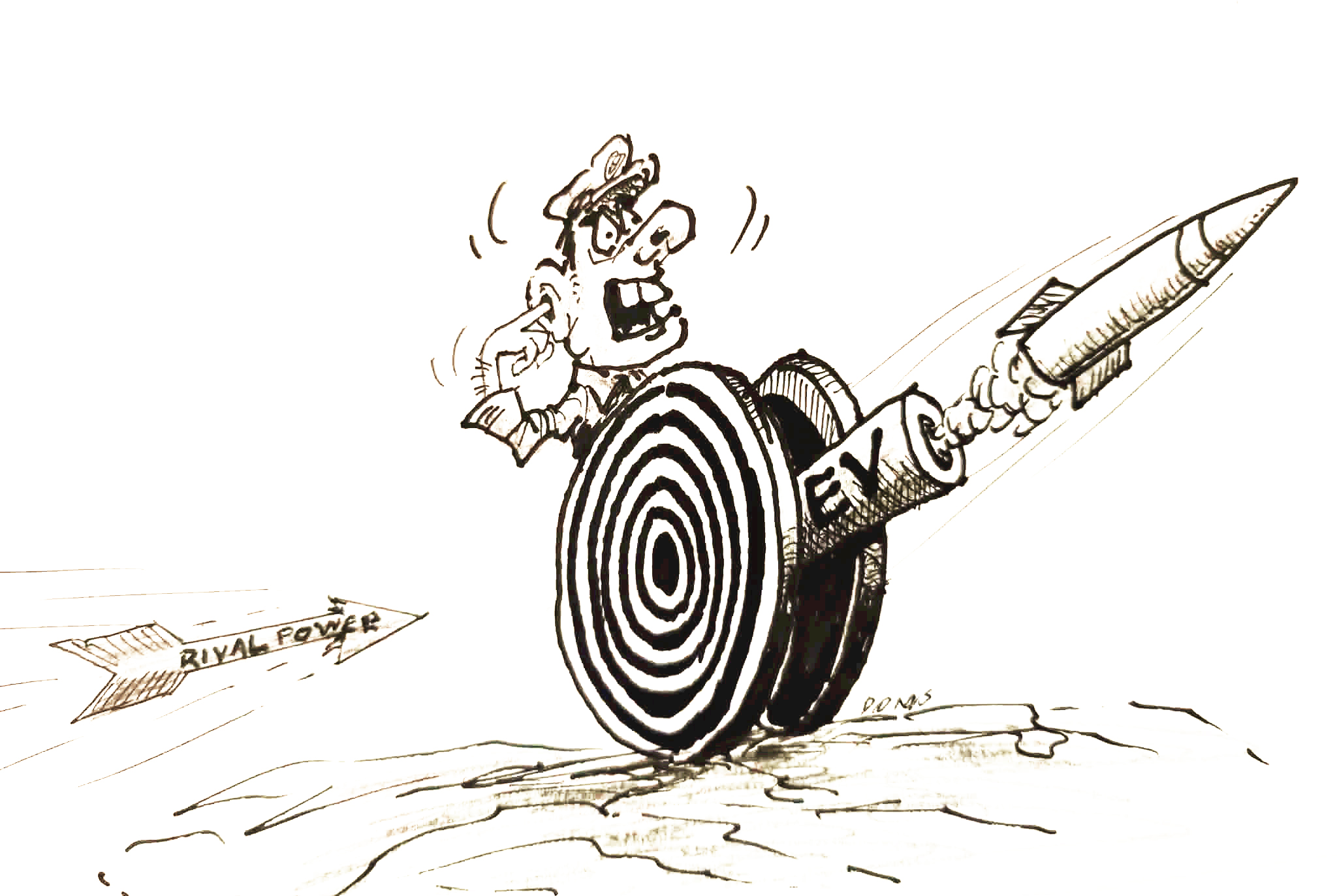
Using Eastern Visayas as a launchpad for joint military exercises between the United States and the Philippines places the region in unnecessary danger. The recent missile launch from the vicinity of San Jose and the Tacloban airport area should alarm every resident of Leyte and Samar. Military planners may call it preparation and deterrence, but for ordinary civilians, it turns peaceful communities into future targets.
Eastern Visayas is not an empty military field detached from human life. It is a densely populated region still burdened by poverty, weak infrastructure, recurring disasters, and unfinished recovery from past calamities. Tacloban alone remains etched in national memory because of the destruction brought by Super Typhoon Yolanda. Allowing strategic missile activities near civilian communities, transport hubs, and economic centers exposes an already vulnerable region to another layer of danger that local people neither created nor invited. Military exercises may end in a few days, but the consequences of becoming identified as a launch site may remain for decades.
Defenders of these exercises often argue that they strengthen national security and improve defense readiness. That argument sounds convincing in press briefings and diplomatic statements, yet it ignores the brutal reality of modern warfare. Countries that monitor military activity do not simply forget where missiles are launched. Every test, every deployment, and every strategic movement becomes part of intelligence records examined by rival powers. In the event of a regional conflict involving the Philippines and its allies, these identified locations may no longer be considered ordinary civilian areas but rather operational military points worthy of surveillance or attack. A missile launched today toward a distant target may someday invite retaliation toward the very soil from which it came.
The danger becomes even more serious because these military decisions are often carried out without meaningful public discussion among the people most affected. Fishermen, vendors, students, drivers, airport workers, and small business owners in Eastern Visayas are rarely asked whether they are willing to live beside facilities associated with missile operations. National leaders speak about alliances and strategic partnerships, but local communities carry the physical risk. It is easy for policymakers in Manila or foreign officials abroad to praise military cooperation when the possible consequences will fall upon provinces already struggling to survive economic hardship and natural disasters. National defense should never require sacrificing the safety of regions that lack the resources to protect themselves from the fallout of geopolitical conflict.
The Philippine government must reconsider the wisdom of transforming civilian regions into visible military platforms for global power struggles. Defense cooperation with allies should never proceed blindly at the expense of local security and public welfare. Eastern Visayas deserves protection, stability, and development—not the burden of becoming a marked location in the calculations of foreign adversaries.