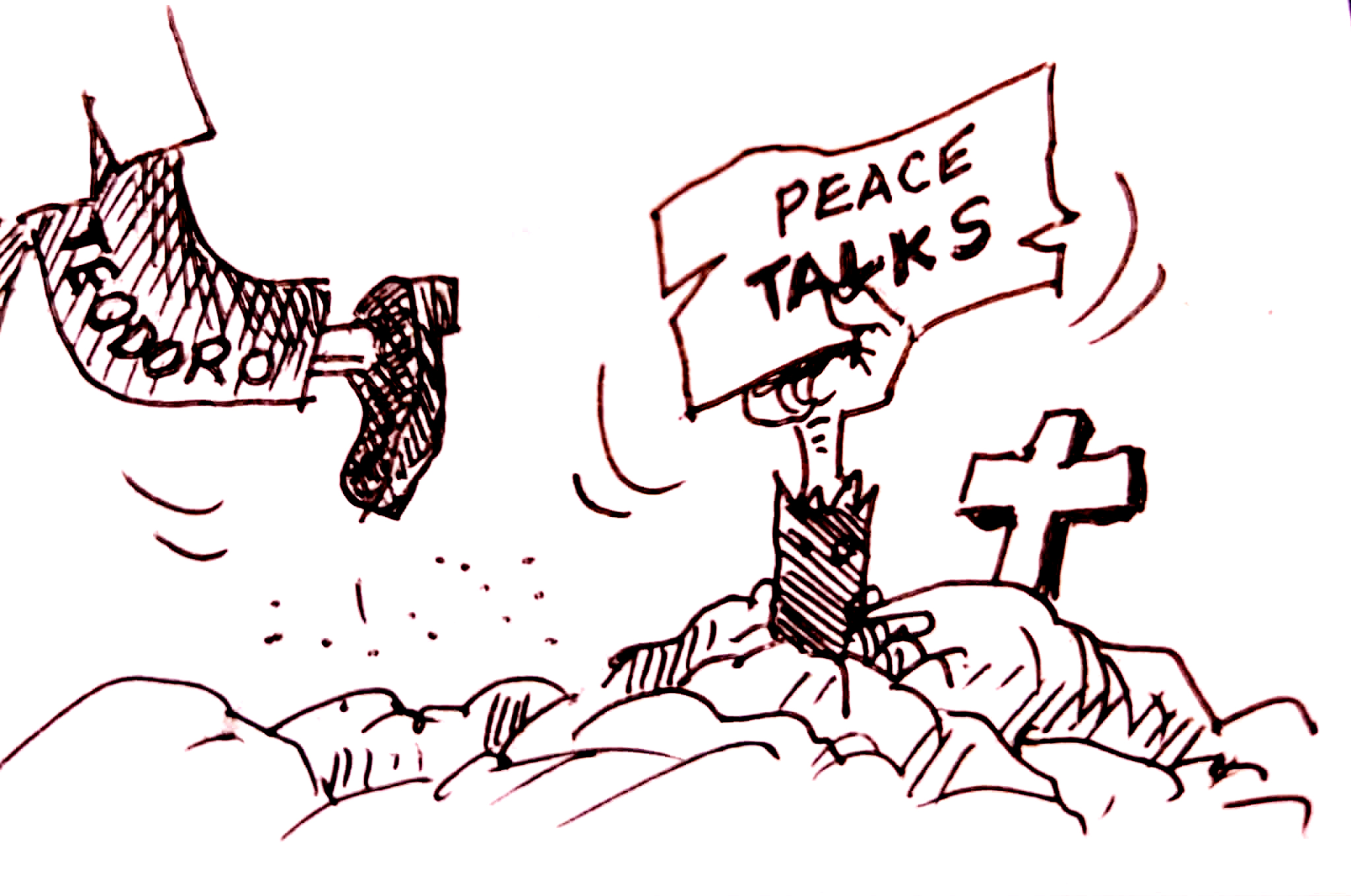
The Defense Secretary Gilbert Teodoro’s rejection of peace talks, which the NPA is offering following the death of their comrades in Toboso, Negros, Occidental, is justified. Entertaining such an offer grants undeserved legitimacy to an armed group that continues to challenge the state. The government is right to stand firm.
At the center of the issue is the nature of the organization itself. The Communist Party of the Philippines, its armed wing, the New People’s Army, and its political arm, the National Democratic Front, have long waged an armed struggle against the government. Their actions are not merely expressions of dissent but organized efforts to destabilize public order. To sit with them as co-equals in formal negotiations implies recognition that they hold a status comparable to a legitimate political authority, which they do not.
Moreover, the claim that the broader population suffers under the current system does not align with reality. The country continues to function with institutions, elections, and mechanisms for reform. Citizens participate in governance, voice grievances, and pursue change through legal means. It is the persistence of armed rebellion that disrupts communities, threatens livelihoods, and endangers lives. The assertion that peace is absent because of the state ignores the more immediate source of violence.
The government has not closed its doors to reconciliation; it has simply drawn a line on how that reconciliation must occur. Programs offering amnesty and reintegration provide a lawful path for combatants who wish to return to civilian life. These initiatives recognize the humanity of those involved while upholding the rule of law. They also avoid the dangerous precedent of negotiating under the shadow of armed pressure, which could embolden similar movements in the future.
If peace is truly the objective, then abandoning armed struggle is the necessary first step. Dialogue can follow, but only within the framework of the Constitution and the law. The state must not reward insurgency with recognition; it must instead uphold order while extending a clear and fair opportunity for those willing to lay down their arms.