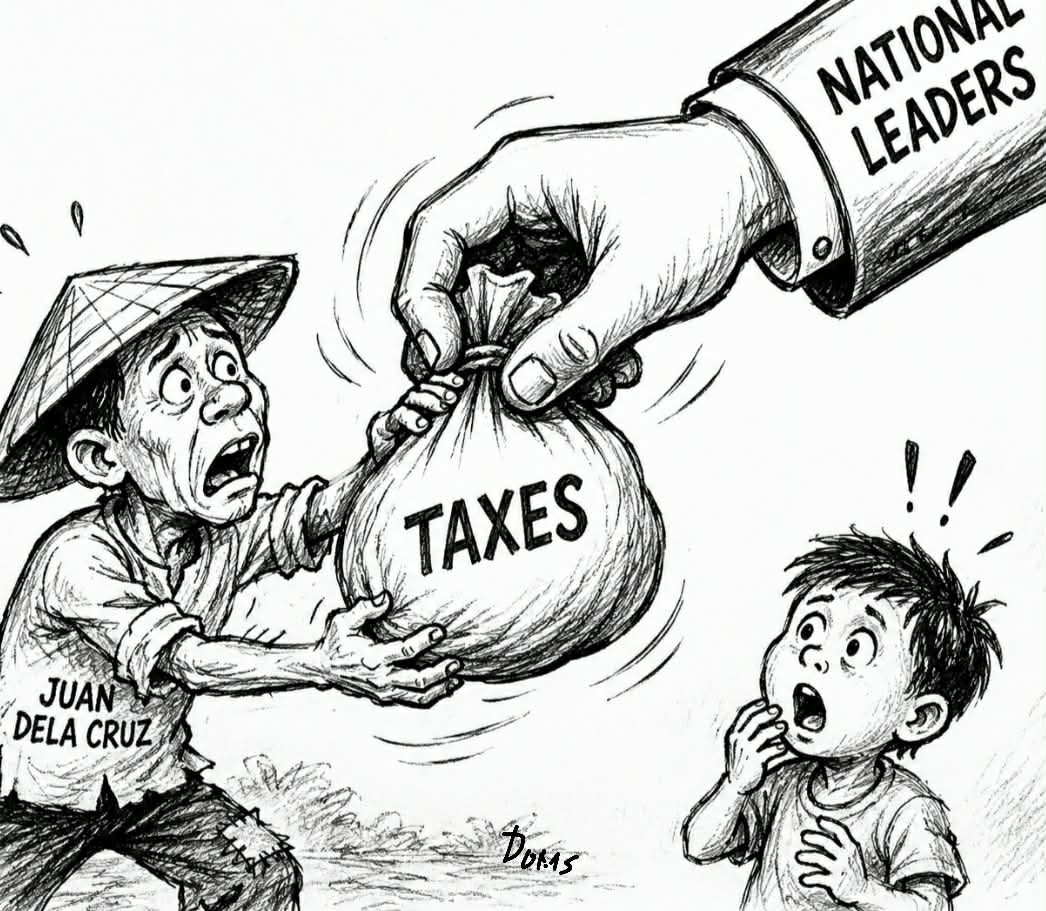
The younger generation is growing up in a time when many public leaders show a troubling example of what power can become without integrity. Citizens see officials accused of corruption, misuse of authority, dishonesty, and self-interest. This is not only disappointing; it teaches a dangerous lesson to the nation’s future.
Leadership carries a responsibility beyond governance. Leaders are visible role models, especially in societies where public figures frequently appear in the news. When those in public office engage in political grudges, manipulate institutions for personal gain, or treat public funds as their own, they send a message that success is based not on skill, character, and service but on influence, deceit, and greed. Young people watch these behaviors closely. Whether they realize it or not, they absorb the standards set by those in power.
The damage goes beyond politics. Corrupt leadership changes public values over time. Students may begin to doubt the value of honesty when dishonesty seems to be rewarded. Workers may lose trust in merit when connections seem more important than qualifications. Entrepreneurs may feel disheartened when corruption skews fair competition. A nation cannot expect its youth to uphold principles that many leaders openly ignore. The character of future generations is shaped not only by what schools teach and parents preach but also by what society celebrates and tolerates.
Equally concerning is the cycle of poverty that often follows corrupt governance. Resources meant for education, healthcare, infrastructure, agriculture, and social services dwindle when public funds are wasted, mismanaged, or stolen. Citizens end up with poor services, limited opportunities, and ongoing economic struggles. Meanwhile, some politicians focus on maintaining power, building political dynasties, and attacking rivals instead of addressing the issues that affect everyday families. Young people raised in such an environment may become cynical, seeing public service as just another path for personal gain rather than a noble pursuit. This mindset undermines the foundation of democratic government.
This trend cannot be accepted as normal. Citizens must demand better standards from those seeking public office and hold accountable those who betray the public trust. Schools, families, religious institutions, civil society organizations, and responsible media should continue to teach integrity, responsibility, and respect for the law. The nation’s future relies not only on the leaders it elects today but also on the values it instills in the next generation. If the country wants honest and capable leaders in the future, it must reject corruption and the abuse of power today