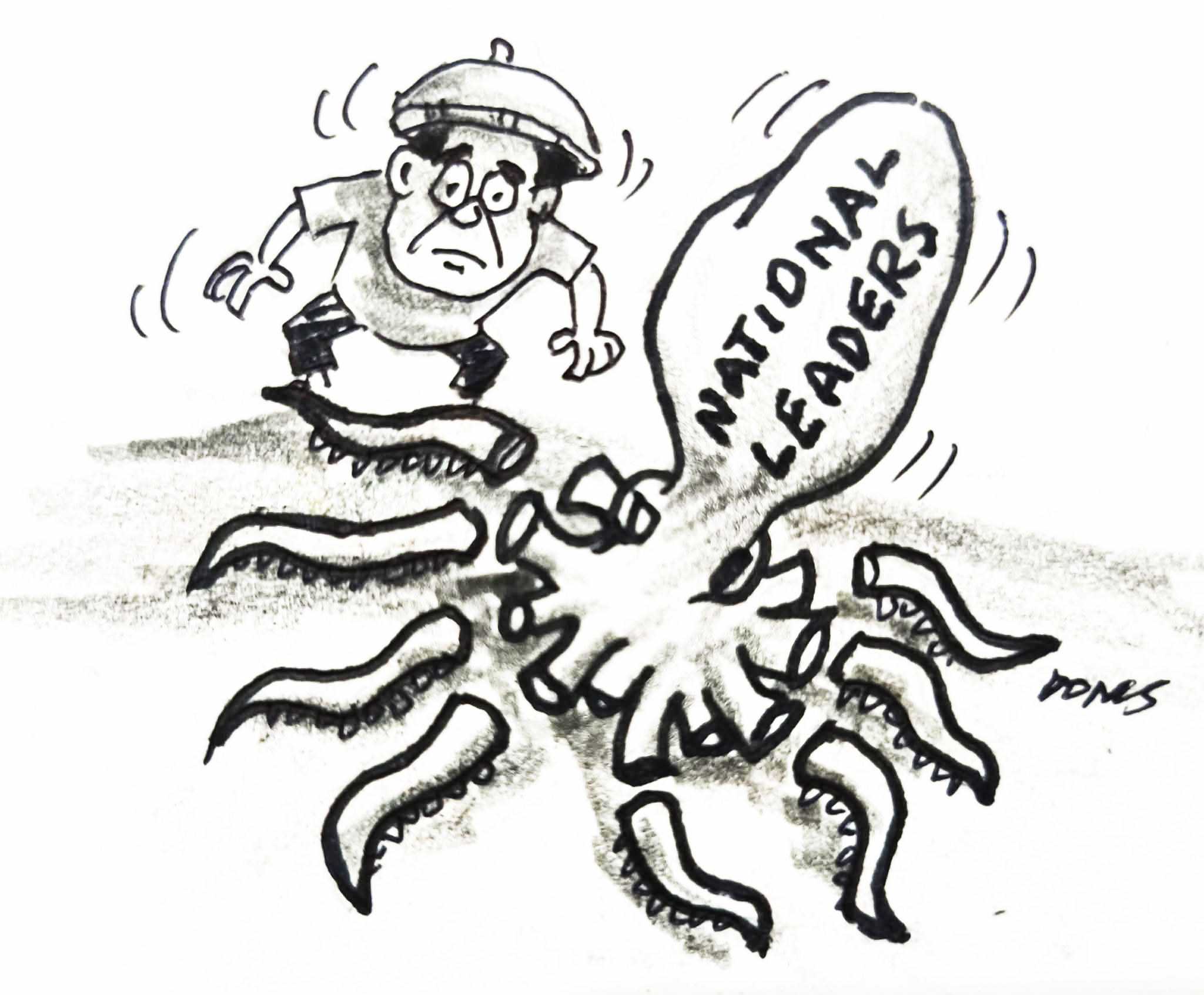
Public quarrels among national leaders expose the decay in Philippine politics. While such conflicts are troubling, they inadvertently equip citizens with clearer grounds for electoral judgment.
These disputes strip away the carefully constructed images that politicians present during campaigns. In moments of conflict, restraint collapses and true character surfaces. Accusations of corruption, incompetence, and betrayal are no longer kept but declared openly, often with supporting details that would otherwise remain concealed. This public unraveling allows voters to see beyond rehearsed speeches and staged appearances, confronting the raw conduct of those in power instead.
More importantly, these clashes provide insight into how leaders behave under pressure. Governance is not performed in controlled environments but in situations that demand discipline, accountability, and respect for institutions. When officials resort to personal attacks, deflection, or blatant dishonesty, they reveal an inability to uphold the dignity of public office. Such behavior is not incidental; it is indicative of how they will act when entrusted with greater authority.
The exposure of internal divisions also highlights patterns of alliances and opportunism. Political loyalties in the Philippines often shift with convenience rather than principle. Public disputes bring these shifting loyalties into focus, allowing voters to trace who stands for policy and who merely seeks power. This awareness is crucial in a system where party lines are weak and personalities dominate decision-making.
However, the benefit of this transparency depends entirely on how the public responds. If voters reduce these revelations to entertainment or partisan cheering, the opportunity is wasted. The spectacle of conflict must instead be treated as evidence—scrutinized, remembered, and weighed against the demands of leadership. Elections should not be exercises in popularity but in judgment, where even the “lesser evil” is chosen with clear awareness of the risks involved.
The ongoing squabbles among national leaders should not be dismissed as mere political noise. They are, in effect, unfiltered disclosures of character and capability. The task now is for the electorate to act with discernment, rejecting those who have exposed their unfitness and demanding a standard of leadership that rises above the pettiness now on display.