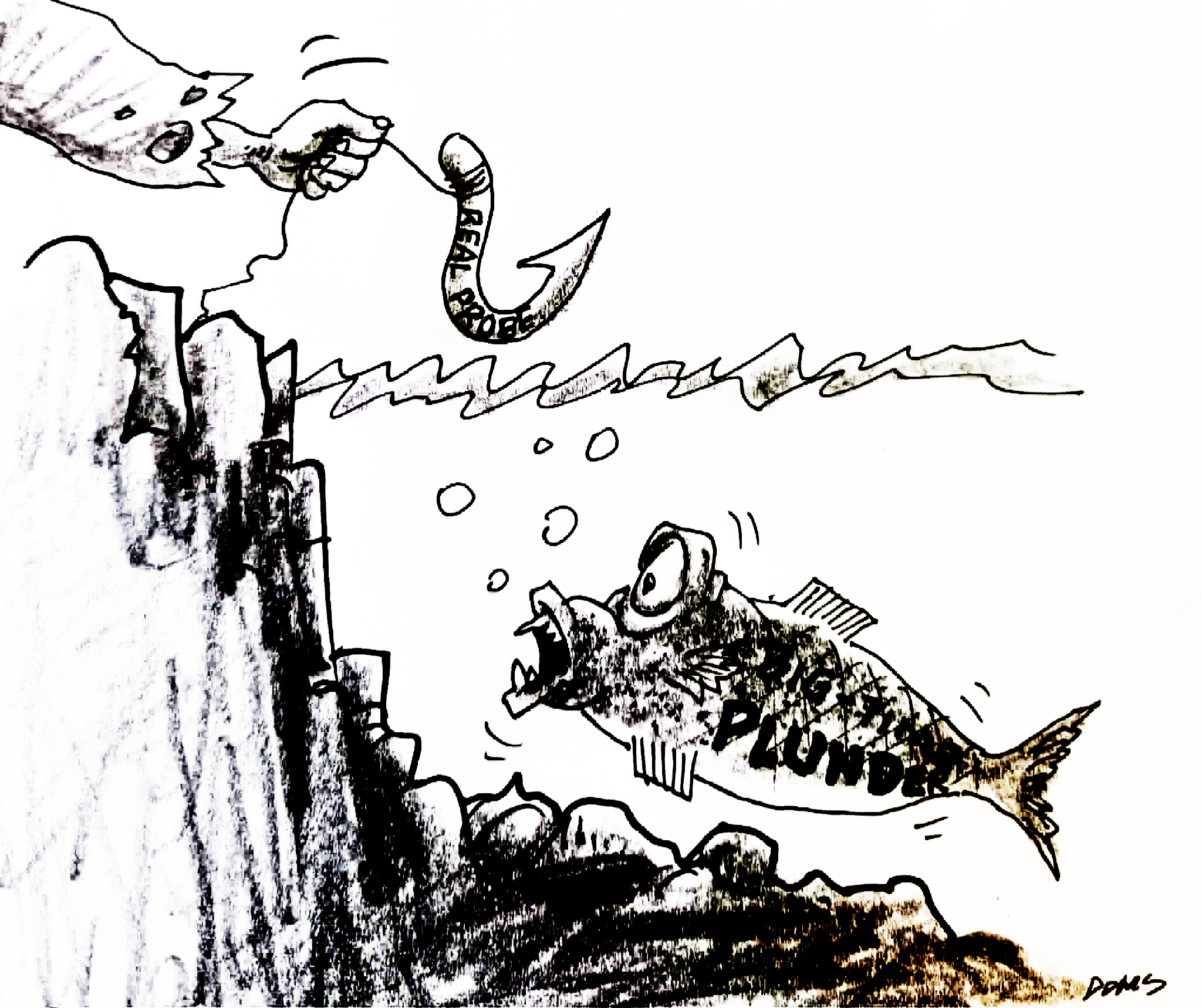
The Filipino people are being asked to look the other way while hundreds of billions of pesos in questionable public funds remain untouched by any serious investigation. At a time when ordinary citizens struggle with high prices, weak services, flooding, unemployment, and collapsing public trust, the refusal to examine these massive controversies is unacceptable. The government cannot keep claiming a commitment to accountability while shielding issues involving amounts large enough to change the entire direction of the nation.
What angers many Filipinos is not merely the existence of allegations, but the glaring imbalance in the government’s priorities. Congress, the Senate, and powerful institutions appear willing to spend enormous time, energy, and public money pursuing the 125-million-peso confidential funds issue involving Sara Duterte. In contrast, allegations involving hundreds of billions or even more than a trillion pesos receive silence, delay, or outright obstruction. Questions surrounding the 241-billion-peso 2025 GAA insertions, the 500-billion-peso flood control allocations, the 250-billion-peso Maharlika funds, the 89-billion-peso PhilHealth funds, the 129-billion-peso gold reserve sale, and the various multi-billion funds linked to GSIS, SSS, Landbank, DBP, PDIC, and PCSO are too massive to be dismissed as mere political noise. These are not small bookkeeping errors. These are matters that affect the country’s survival, debt burden, and future.
The flood control controversy alone deserves national outrage. Year after year, enormous budgets are poured into flood mitigation projects, yet many communities continue drowning after heavy rains. Roads collapse, drainage systems fail, rivers overflow, and newly completed projects are repeatedly damaged within a short period. Filipinos are justified in asking where the money went. If half a trillion pesos had truly been used effectively and honestly, the country should already be seeing dramatic improvements in disaster resilience. Instead, the public sees recurring calamities and recurring contracts. That is why demands for a full audit and criminal investigation are not acts of political destabilization; they are acts of national self-preservation.
Equally disturbing are the allegations involving “maleta deliveries” supposedly backed by documented evidence and testimonies from former military personnel. Whether these claims are true or false, the only acceptable response in a functioning democracy is a transparent and fearless investigation. Suppression, ridicule, diversion, and selective outrage only deepen suspicion. The worst damage is not only the possible loss of public money but the growing belief that untouchable individuals and untouchable networks are operating above the law. Once people begin to believe that accountability applies only to political enemies, never to powerful insiders, public faith in democratic institutions starts to collapse from within.
The country does not need theatrical investigations designed for headlines, political demolition, or election positioning. It needs independent, uncompromised, evidence-based investigations into every major allegation involving public funds, regardless of who may be implicated. If the government truly wants to restore credibility, then every questionable transaction, insertion, transfer, and project must be subject to public scrutiny, with full disclosure of documents, audits, hearings, and prosecutions where warranted. The Filipino people are no longer demanding speeches. They are demanding answers, accountability, and the courage to pursue the real architects of large-scale plunder wherever the evidence leads.