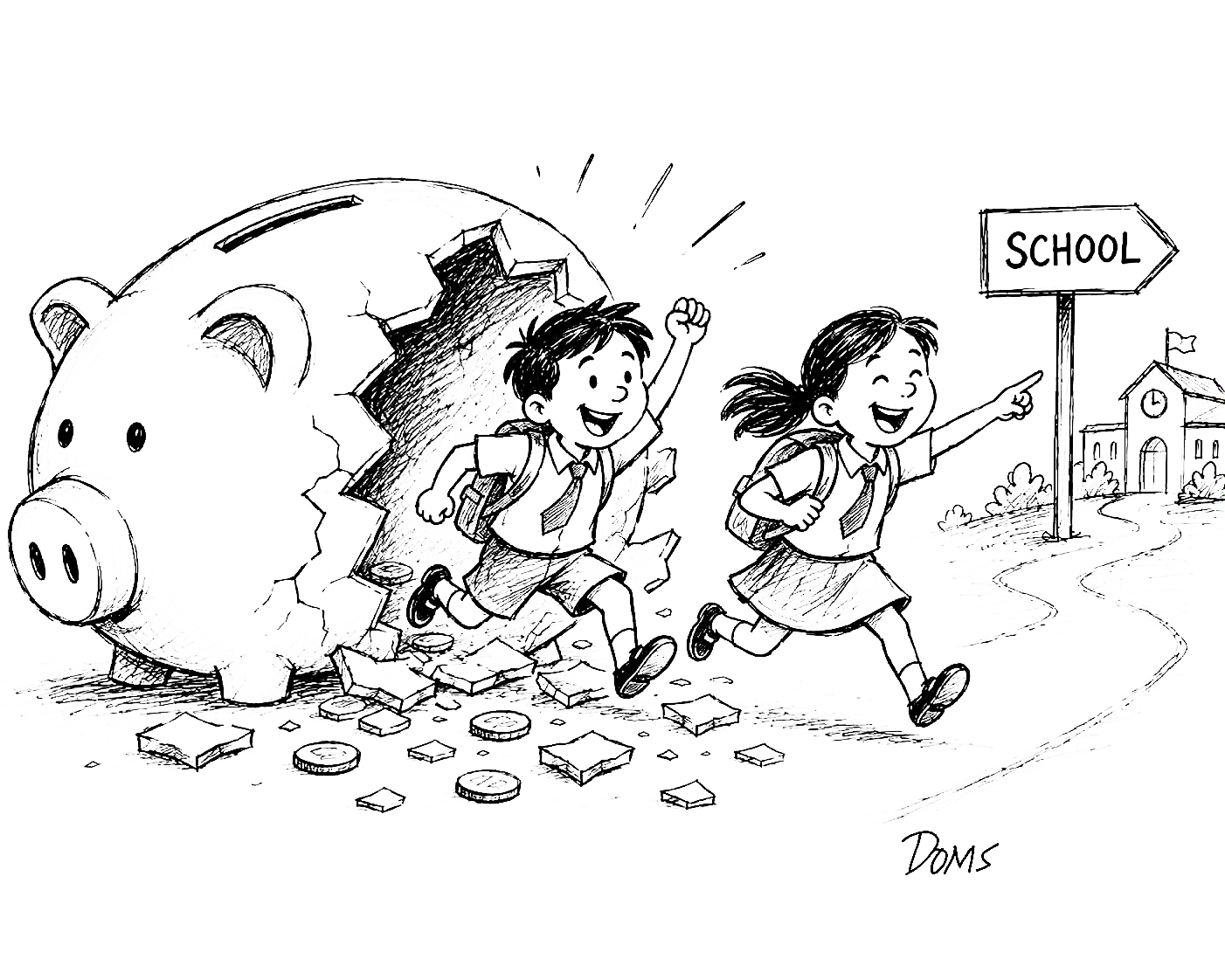
The resumption of classes in the elementary and secondary levels under the Department of Education marks the beginning of another academic year filled with both opportunities and challenges. It is a development that deserves public support because education remains one of the strongest foundations of national progress. At the same time, the reopening of schools demands serious preparation and shared responsibility from all sectors of society.
For students, the return to school signals a renewed commitment to learning, discipline, and personal development. Months away from the classroom often create learning gaps that teachers must address during the opening weeks of instruction. The classroom remains the primary environment where children acquire not only academic knowledge but also values, social skills, and habits that prepare them for adulthood. Parents should expect an adjustment period as children return to structured schedules, assignments, examinations, and school activities after the break.
Families likewise face significant responsibilities during the opening of classes. Household budgets must accommodate school supplies, uniforms, transportation expenses, projects, and daily allowances. Parents and guardians are expected to provide guidance, monitor academic performance, and maintain communication with teachers. Mentors, educators, and school administrators, on the other hand, carry the burden of ensuring that learning environments remain safe, organized, and conducive to quality education despite persistent concerns regarding classroom shortages, learning resources, and student performance.
The reopening of schools also produces substantial effects on the broader community and the economy. Public transportation systems experience increased demand as thousands of students travel daily to and from schools. Traffic congestion becomes more noticeable near educational institutions, requiring patience and cooperation from motorists and commuters. Businesses benefit from heightened economic activity as bookstores, school supply stores, food establishments, printing shops, transport operators, and small vendors experience increased demand for their goods and services. Communities should likewise anticipate greater activity around schools and participate in maintaining safety, cleanliness, and order in areas frequented by learners.
The return of students to classrooms should remind citizens that education is not solely the concern of schools but of the entire nation. Parents must strengthen support at home, teachers must remain committed to effective instruction, local governments must address infrastructure and safety concerns, and communities must help create environments where learning can flourish. The success of the new school year will depend not only on what happens in classrooms but also on the willingness of families, institutions, and citizens to work together to shape a generation capable of meeting the demands of the future.