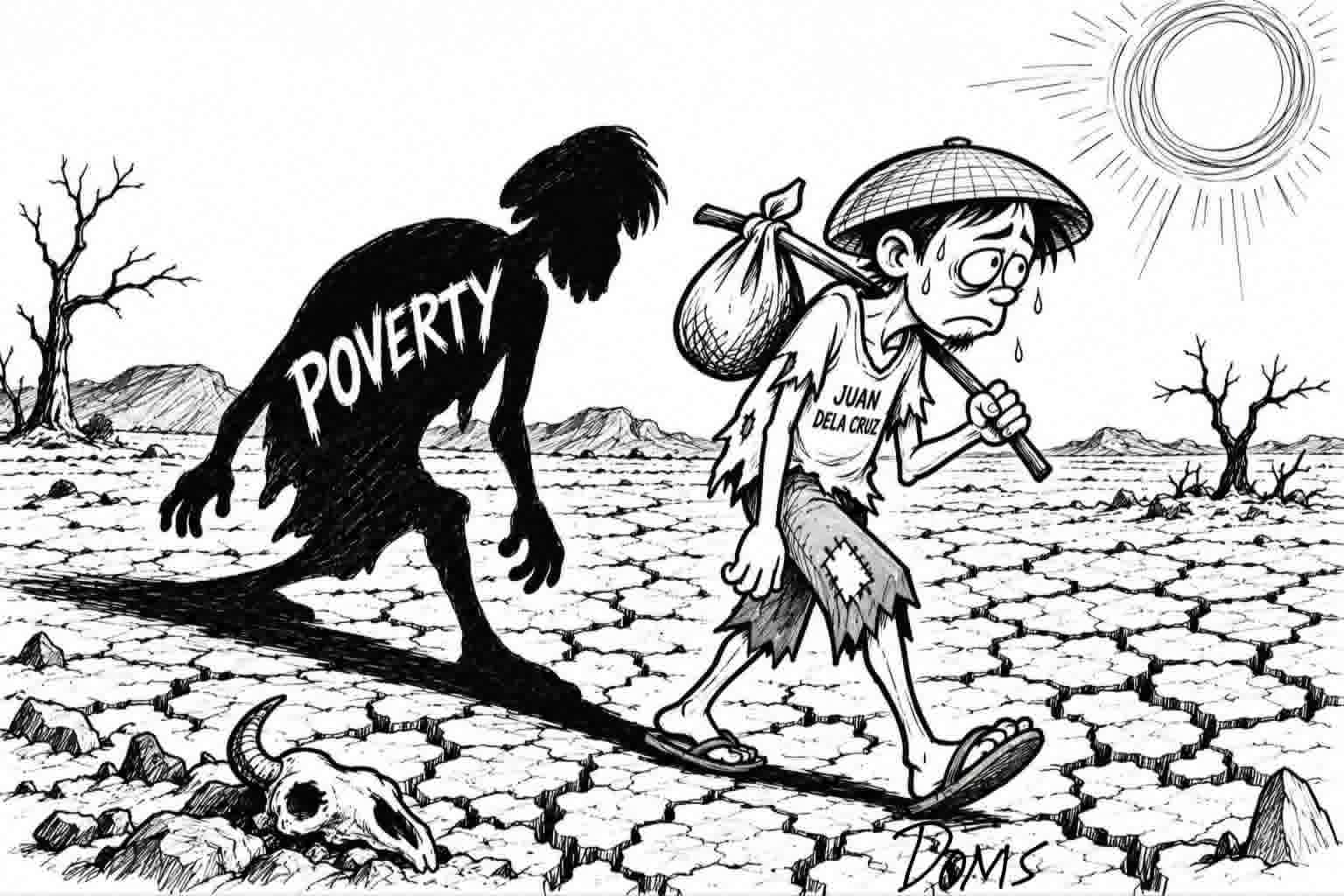
Life has become unbearably difficult for millions of working Filipinos. Honest labor no longer guarantees food, shelter, health care, security, or a dignified future. This condition is not merely a personal failure but a grave indictment of an economic and political system that demands much from workers while giving too little in return.
A worker may spend eight hours on the job and another four hours trapped in traffic, leaving almost no time for family, rest, or personal growth. From a monthly salary of P15,000, rent, electricity, water, transportation, and food can consume everything before emergencies are even considered. When employment pays barely enough to remain employed, work loses its promise as a path out of poverty and becomes a daily struggle to avoid sinking deeper into debt.
The cruelty becomes clearer when illness strikes, or employment ends. Medical bills can destroy a family’s savings in days, while contractual workers live under the constant threat of dismissal before they qualify for regular status and full benefits. Skilled welders, electricians, mechanics, plumbers, teachers, and health professionals are also driven abroad because their competence is poorly rewarded at home. The country then loses valuable workers after failing to give them a compelling reason to stay.
Economic hardship is made worse by weak governance, favoritism, and unequal opportunity. Public assistance, government projects, and salaries may arrive late, yet taxes, penalties, loan payments, and utility disconnections recognize no delay. Connections can outweigh competence in hiring and promotion, while capable workers without influential backers remain underpaid and overlooked. It is unjust to call struggling people lazy when many already work long hours, endure exhausting travel, accept overtime, and borrow money simply to survive until the next payday.
The country is not hopeless, but hope must never excuse continued neglect. The government must enforce security of tenure, set wages based on the actual cost of living, improve mass transportation, regulate abusive lending, strengthen public health care, punish favoritism, and deliver services on time. Citizens should develop practical ways to improve their lives, but no worker should be told to build a private system merely because public institutions have failed. The system must be corrected by law, competent leadership, public accountability, and citizens who refuse to accept poverty as the natural reward for honest work.