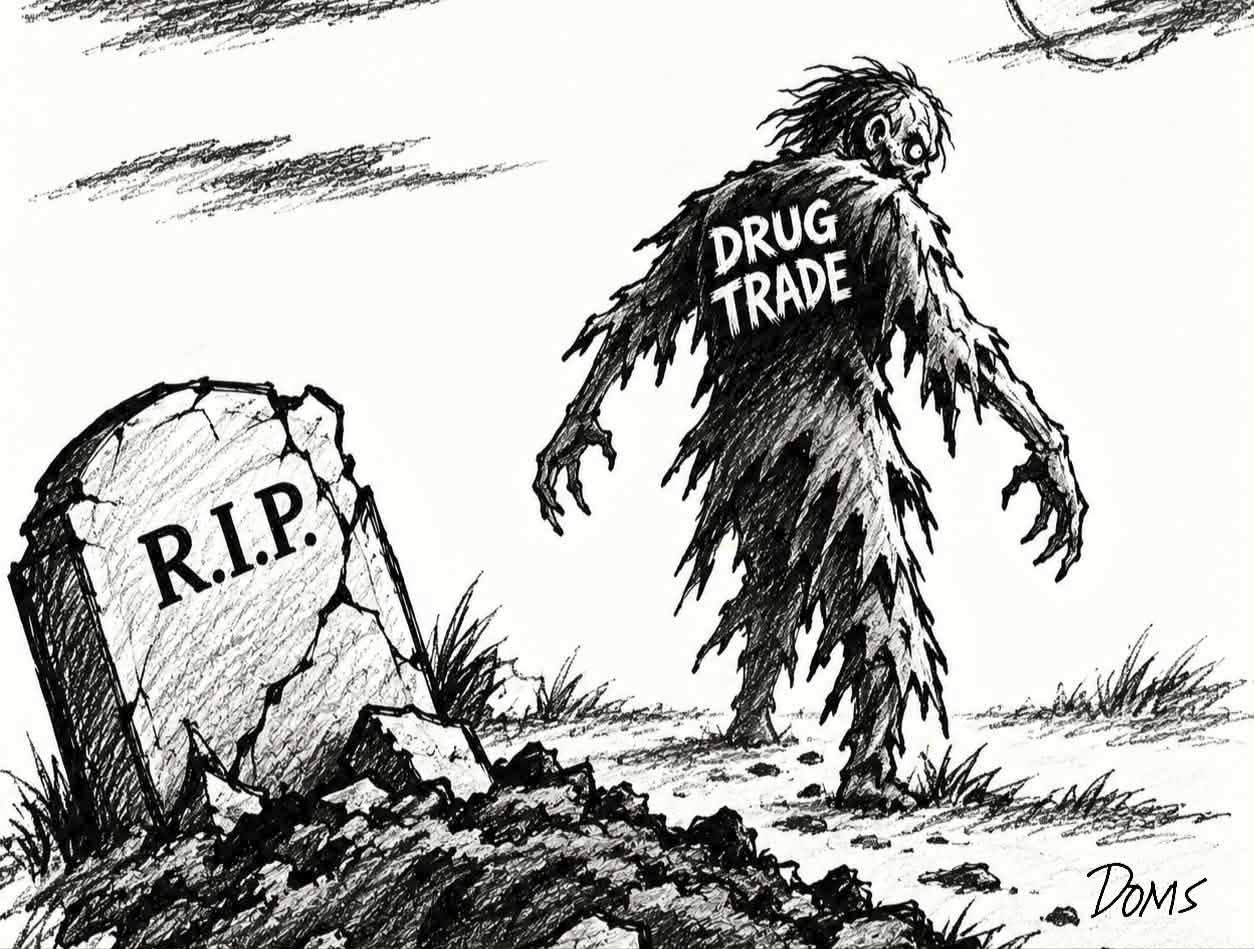
The campaign to hold former President Rodrigo Duterte accountable for the killings associated with his anti-drug war has exposed the continuing struggle for justice and the need for consistent law enforcement. Yet the apparent return of large-scale drug trafficking raises serious questions about the present administration’s commitment to fighting illegal drugs. It is unacceptable for a government to pursue accountability for past abuses while appearing indifferent to present threats that demand equally serious investigation.
For years, anti-Duterte groups, human rights organizations, lawyers, activists, and concerned individuals pressed for justice for the victims of the drug war. Their efforts helped sustain calls for accountability beyond Philippine borders and contributed to the international legal process that led to Duterte’s arrest and transfer to The Hague to face proceedings before the International Criminal Court (ICC). They argued that allegations of grave crimes could not be dismissed merely because the accused had once occupied the highest office in the country. That principle remains valid. However, accountability must never be reduced to removing or prosecuting one political figure. Justice requires institutions that can protect the public, investigate wrongdoing, and enforce the law regardless of who holds power.
The reported movement of suspected drug shipments involving Laos and Thailand should therefore be treated as a serious national security and law enforcement concern. Such reports demand verification, a clear account of the evidence, and a thorough investigation into the shipments’ origins, intended destinations, financiers, intermediaries, and possible local connections. If the reports are substantiated, authorities must identify those responsible and prosecute them under the law. If the evidence is inconclusive, the government must explain what has been established and what remains under investigation. Silence or the absence of visible action cannot substitute for an accountable public response. Allegations alone do not establish guilt, but neither should they be ignored simply because investigating them may be politically inconvenient.
The contrast between the previous administration’s aggressive anti-drug campaign and the current government’s perceived lack of urgency over suspected international drug shipments deserves public scrutiny. The Duterte administration was rightly challenged over allegations of extrajudicial killings and violations of human rights, but those concerns do not excuse any successor government from confronting the drug trade with determination. Nor does the arrest of a former president automatically resolve the country’s drug problem. If traffickers believe that political transitions have weakened enforcement or that powerful connections can shield them from scrutiny, the consequences will extend far beyond partisan disputes. The government must demonstrate through evidence, investigations, arrests where warranted, and successful prosecutions that the law applies equally to everyone.
The present administration must direct the appropriate agencies to investigate credible reports, disclose findings consistent with lawful confidentiality requirements, and pursue every lead without political favoritism. No former president should be above the law, and no sitting administration should be exempt from public scrutiny. A government cannot credibly claim to defend the Filipino people while demanding accountability for yesterday’s abuses but failing to confront today’s threats. Justice must be consistent, law enforcement must be impartial, and the fight against illegal drugs must never depend on whose political interests are served.