(THE PROVINCIAL GOVERNMENT OF NORTHERN SAMAR)
TACLOBAN CITY — The Department of Agriculture (DA) in Eastern Visayas has pledged continued support for a farming and livelihood program inside the Northern Samar Provincial Jail, highlighting its role in inmate rehabilitation and food production.
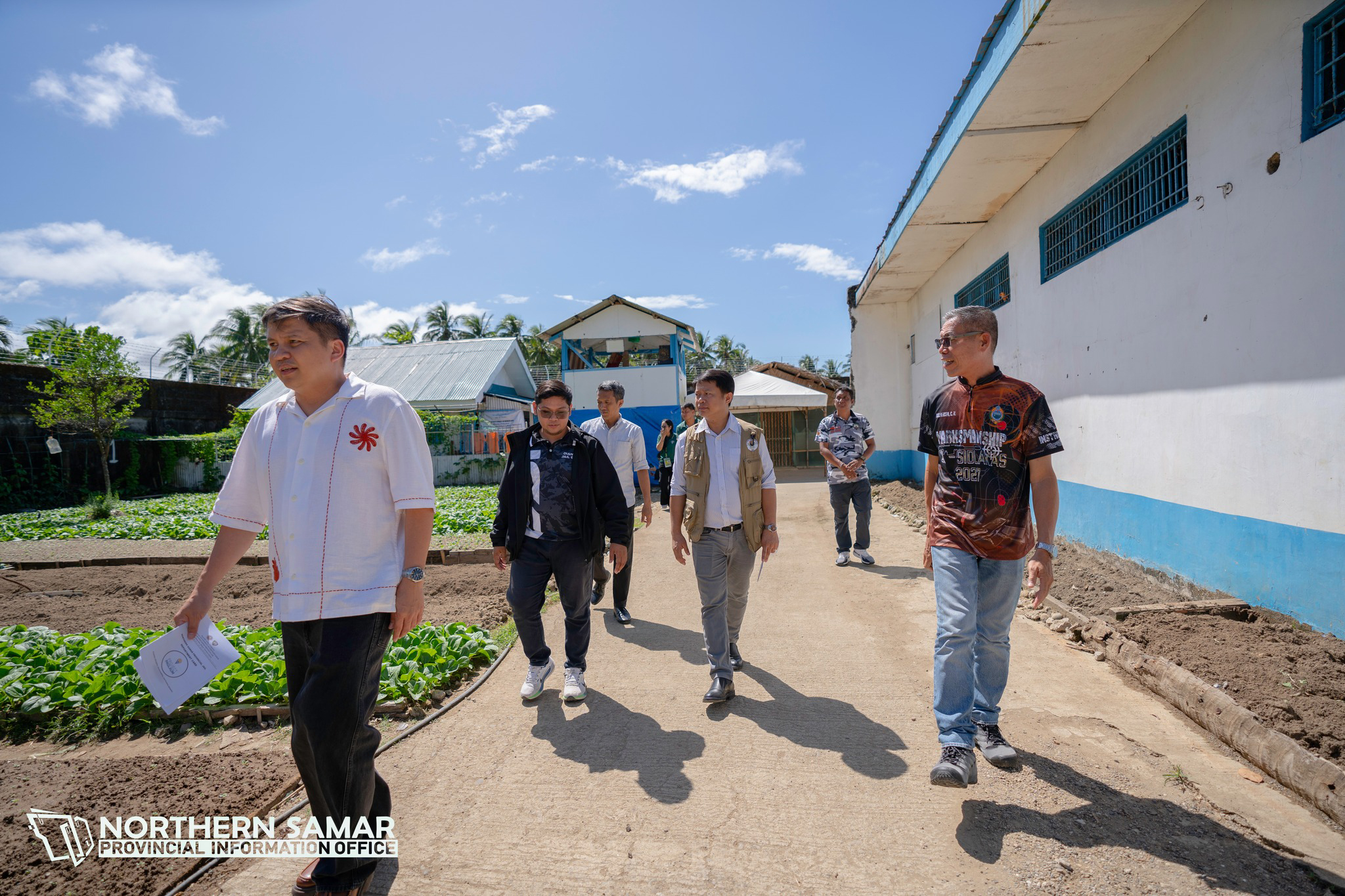
Department of Agriculture-8 Regional Executive Director Rodel Macapañas recently visited the facility in Barangay Dancalan, Bobon town, together with Provincial Agriculturist Jose Luis Acompanado and OIC Provincial Warden Jay Keenson Acebuche to assess ongoing agricultural activities and identify areas for further assistance.
The farming initiative, implemented within the jail compound, forms part of the rehabilitation program for persons deprived of liberty (PDLs), providing them with productive skills and livelihood opportunities.
PDLs are currently engaged in cultivating various crops, including pechay and ampalaya, as well as managing poultry and duck raising for egg production, piggery operations, and tilapia farming in the facility’s fishpond.
Beyond agriculture, inmates are also involved in producing bread, woodcrafts, bonsai plants, and artworks, which are sold to local buyers.
These livelihood efforts complement other rehabilitation programs such as skills training, Alternative Learning System (ALS) classes, literacy initiatives, sports development, and spiritual formation.
Macapañas expressed support for expanding training programs, particularly in urban gardening and agricultural production, to further enhance the skills and productivity of the PDLs.
He emphasized that strengthening such initiatives not only contributes to food sustainability within the facility but also equips inmates with competencies that can help them reintegrate into society upon release.
The visit followed a meeting between Macapañas and Northern Samar officials, including Governor Harris Ongchuan and Vice Governor Clarence Dato, to discuss additional agricultural support for the province and reinforce collaboration between national and local governments in advancing both the agriculture sector and rehabilitation programs.
(ROEL T. AMAZONA)