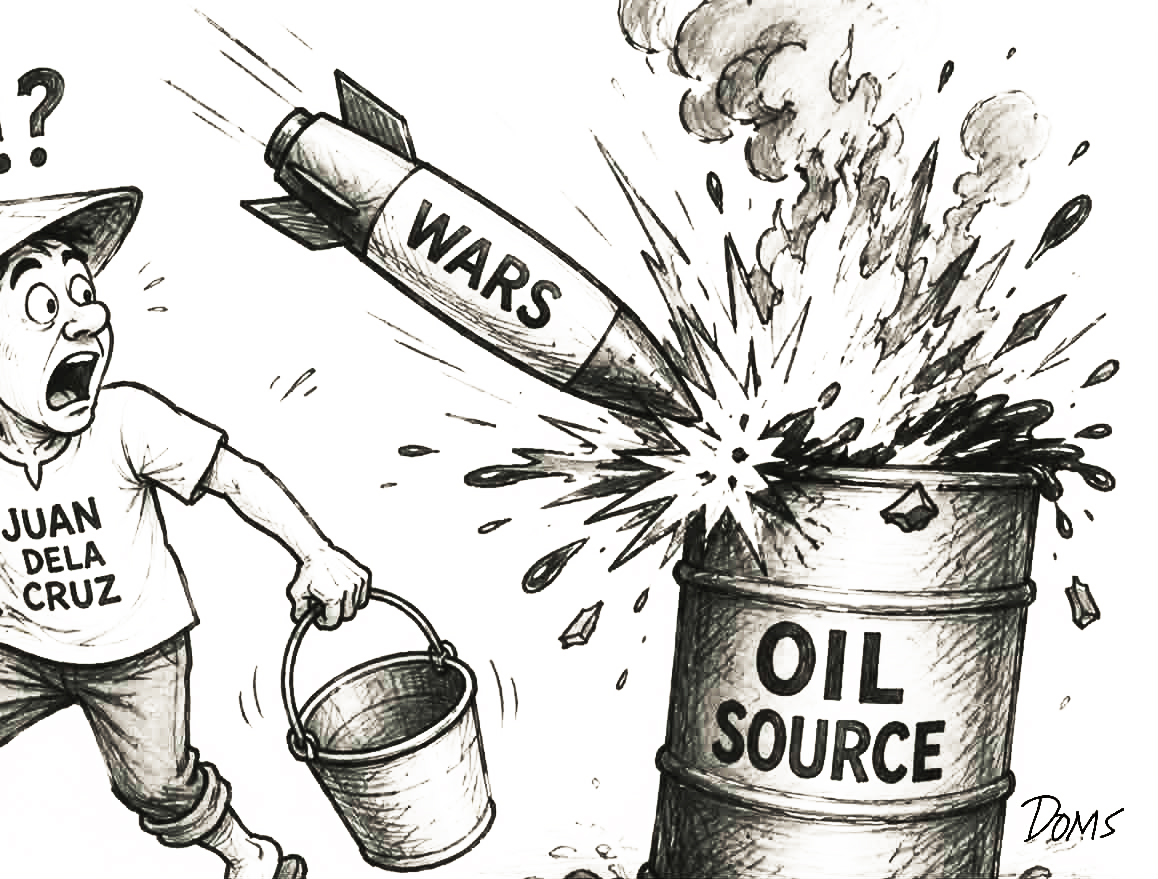
The threat of an oil shortage now hangs over the Philippines at a time when energy security should have been a national priority. The country’s growing dependence on uncertain foreign sources has exposed it to risks beyond its control. A nation that cannot secure a stable supply of fuel leaves its economy vulnerable to events happening thousands of kilometers away.
The conflict involving Iran has once again reminded the world how dangerous it is to rely heavily on oil routes passing through the Strait of Hormuz, one of the busiest energy corridors on Earth. Even countries that do not directly buy oil from the Middle East eventually feel the consequences because global oil prices react immediately to any disruption in that region. The Philippines is no exception. Rising transport costs, higher electricity prices, and increased production expenses eventually find their way into the daily lives of ordinary citizens.
Faced with these dangers, the Philippines began looking toward Russia as an alternative source of petroleum products. Russian oil appeared to offer relief from supply uncertainties in the Gulf region and promised additional options for local importers. However, an alternative source ceases to be reliable when it is itself trapped in another war and suffering from attacks on its energy infrastructure. The country’s energy strategy cannot depend on a supplier whose own production system is under strain.
Ukrainian drone strikes on Russian oil facilities have damaged several refineries and disrupted fuel distribution in parts of Russia. Reports of shortages, restrictions on fuel sales, and concerns among Russian consumers have raised questions about the long-term stability of exports from that country. Even if Russia continues exporting oil, supply interruptions and transportation problems can still tighten the global market and push prices upward. The Philippines, as an oil-importing nation, would inevitably absorb much of that increase.
Energy security cannot be built solely on shifting dependence from one foreign supplier to another whenever a crisis erupts elsewhere. The country must strengthen strategic fuel reserves, diversify its suppliers, accelerate investments in renewable energy, and expand domestic energy development wherever feasible. Waiting for the next international conflict before acting would be an expensive mistake that Filipino consumers can no longer afford.