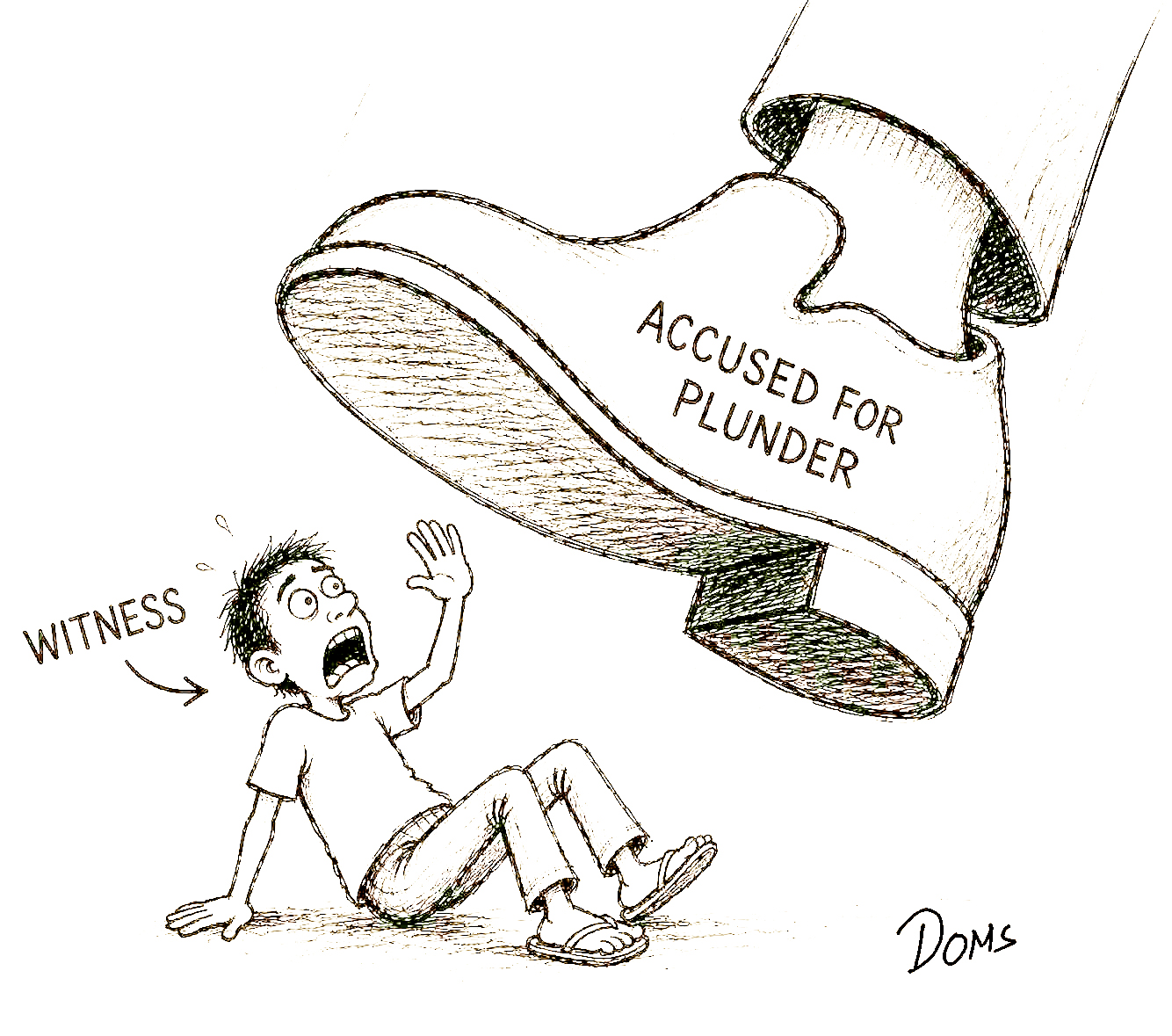
The continuing difficulty of investigating powerful individuals is a serious threat to justice and accountability. Allegations surrounding the country’s flood-control scandal have once again raised concerns about whether the truth can ever emerge when influential figures are involved. A society cannot claim to uphold the rule of law if those who seek the truth become the primary targets of scrutiny and retaliation.
One of the most disturbing patterns in high-profile investigations is the treatment of witnesses who come forward with information. Instead of receiving protection and fair consideration, they often face counter-investigations, legal complaints, public attacks, and accusations intended to undermine their credibility. This creates a chilling effect that discourages others from speaking out. When potential witnesses see what happens to those who testify, silence becomes the safer option. As a result, vital evidence remains hidden, and wrongdoing becomes even harder to expose.
The controversy surrounding the flood-control scandal highlights this troubling reality. Public funds are collected through taxes to build infrastructure, protect communities, and improve lives. When questions arise regarding the use of billions of pesos, the public deserves a thorough and impartial investigation. Yet many citizens are left wondering how accountability can be achieved when the focus appears to shift from examining allegations of corruption to examining the individuals who bring those allegations forward. Such a situation risks turning investigations into exercises in intimidation rather than instruments of truth.
Equally alarming is the perception that some institutions tasked with enforcing accountability may be influenced by political alliances or other considerations unrelated to justice. When graft complaints are dismissed without convincing explanations, public suspicion naturally grows. The issue is not merely whether a particular official is guilty or innocent. The larger concern is whether investigative bodies are demonstrating independence, fairness, and consistency in carrying out their duties. If citizens begin to believe that powerful individuals enjoy protections unavailable to ordinary people, confidence in public institutions suffers greatly.
Justice requires courage, independence, and an unwavering commitment to facts wherever they may lead. Witnesses who come forward in good faith must be protected rather than persecuted, and allegations involving public funds must be examined with transparency and rigor. Investigative agencies, prosecutors, and oversight bodies must prove through their actions that no individual is beyond scrutiny. The best way to restore public confidence is not to silence accusers but to conduct fearless investigations and allow evidence—not power, influence, or connections—to determine the outcome.