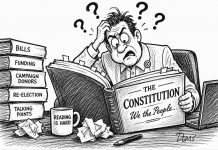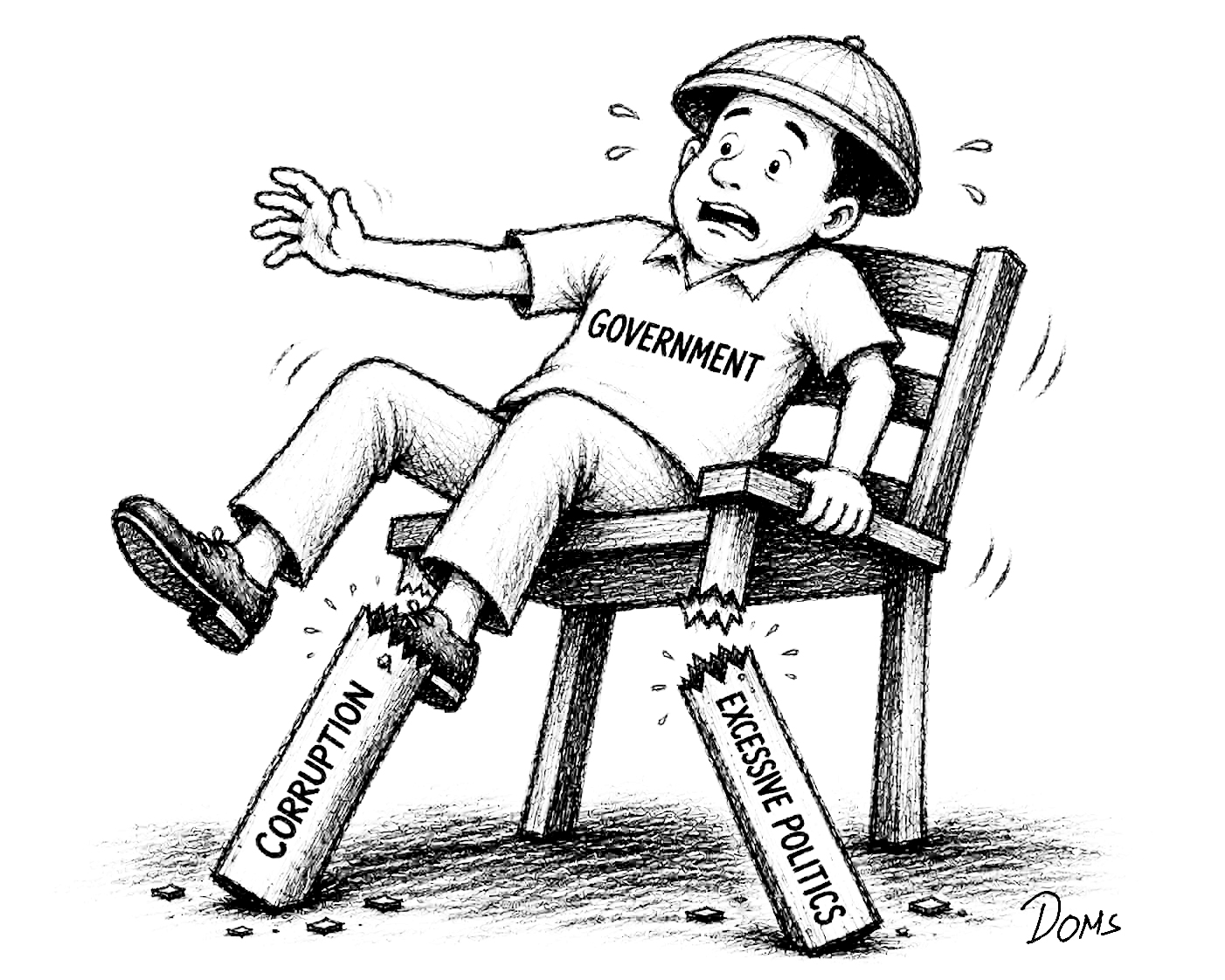
A nation does not collapse because of its critics. It does not decay because of dissenting voices or a weakened opposition. It collapses when those in power make politics and corruption the center of governance instead of service.
Blaming critics for the country’s worsening condition is both dishonest and dangerous. Critics are meant to expose flaws, question decisions, and sound the alarm when government actions harm the public. Silencing them through lawsuits, intimidation, or public attacks does not solve any national problem; it only removes one of the few remaining checks against abuse. History has shown that nations that punish criticism do not become stronger—they become blind. A government that cannot tolerate criticism is often a government afraid of what criticism reveals.
The opposition, too, has been steadily weakened, whether by political pressure, threats, or inducements. A healthy democracy requires an opposition that is free to challenge the ruling power and offer alternatives. When that opposition is neutralized, the balance of governance is destroyed. What remains is not unity, but monopoly—one political force acting without restraint. That is where reckless decisions are born, because no serious resistance remains to question them. Democracy was never designed to be a one-man or one-group show.
But the deeper wound lies in the endless politics of elimination. Public office is increasingly being used not to govern but to destroy rivals before they can rise. Agencies meant to uphold the law are being dragged into political battles. Investigations appear selective, prosecutions seem timed, and institutions are viewed less as guardians of justice and more as weapons of survival. This poisons governance because national resources are spent on political warfare rather than on economic recovery, education, public health, and infrastructure. While leaders fight for position, the people pay the price.
Worse still is the scale of corruption and the apparent machinery built to conceal it. What was once counted in billions now reaches staggering figures that shake public belief in government itself. If allegations of massive plunder are met not with transparent investigation but with coordinated efforts to suppress witnesses, bury evidence, and shield allies, then the crisis is no longer isolated corruption—it is organized protection of corruption. That is the gravest threat to any republic. The only cure is relentless accountability: independent institutions must act, the public must remain vigilant, and the law must be allowed to strike upward, not only downward. Otherwise, the nation’s fall will not be caused by its critics, but by those who claimed to be saving it while draining it dry.