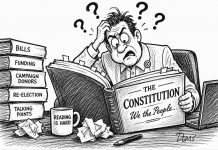
Like tectonic shifts reshaping the earth’s surface, economic crises irrevocably alter the landscape of consumer behavior, forcing a profound and often painful adaptation to new economic realities. These periods of economic contraction necessitate a recalibration of household spending patterns, consumption priorities, and the overall consumer-market relationship. An understanding of these behavioral shifts is paramount for organizations seeking to navigate the exigencies of a crisis-afflicted marketplace and adapt their strategies accordingly. This article examines the salient changes in consumer behavior during economic crises, exploring the underlying socio-economic drivers and outlining adaptive strategies for organizational resilience.
Deconstructing the Crisis: Understanding Macroeconomic Cascades
Economic crises manifest across a spectrum of typologies, encompassing recessions, financial meltdowns, and pandemic-induced contractions. Irrespective of the precipitating event, these phenomena typically exhibit a constellation of common characteristics:
• Aggregate Demand Deficiency: Reduced capital investment, decreased industrial production, and constrained employment opportunities precipitate a contraction in aggregate economic activity. This aligns with Keynesian economic theory, which posits that aggregate demand is a primary driver of economic output [1].
• Elevated Structural Unemployment: Business closures and workforce reductions engender elevated unemployment rates, thereby diminishing aggregate household income and constraining consumer expenditure. This phenomenon is consistent with the principles of classical economics, which emphasize the role of labor market equilibrium in determining economic output [2].
• Systemic Financial Fragility: Equity market volatility, financial institution failures, and credit market illiquidity engender systemic uncertainty and erode consumer confidence, thereby dampening investment and consumption. This aligns with the principles of behavioral economics, which highlight the influence of psychological factors on economic decision-making [3].
• Inflationary Pressures: Supply chain disruptions, expansionary fiscal policies, and monetary easing can engender inflationary pressures, thereby exacerbating household budgetary constraints. This is consistent with the quantity theory of money, which posits a direct relationship between the money supply and the price level [4].
• Heightened Existential Uncertainty: Pervasive anxiety regarding future economic prospects precipitates a decline in consumer sentiment and a reticence to engage in discretionary expenditure. This aligns with prospect theory, which suggests that individuals are more sensitive to potential losses than to equivalent gains [5].
The Consumer Response: Behavioral Adaptations to Economic Stress
Economic crises engender a constellation of behavioral adaptations among consumers, reflecting a rational response to heightened economic stress:
1. Price Elasticity of Demand Amplification:
o Description: Consumers exhibit heightened price sensitivity, actively seeking out discounted merchandise, promotional offers, and value-oriented alternatives.
o Socio-Economic Drivers: Diminished disposable income, elevated unemployment rates, and anticipatory anxiety regarding future financial stability.
o Illustrative Examples: Substitution towards private-label brands, patronage of discount retailers, and deferral of non-essential purchases.
2. Value-Centric Consumption Reorientation:
o Description: Consumers prioritize essential goods and services over discretionary items, emphasizing durability, functionality, and long-term value.
o Socio-Economic Drivers: Diminished disposable income, heightened economic uncertainty, and a preference for durable, long-lasting goods.
o Illustrative Examples: Curtailment of expenditures on dining out, entertainment, and leisure travel, coupled with increased investment in home maintenance and durable household goods.
3. Savings Rate Augmentation and Debt Reduction:
o Description: Consumers curtail discretionary expenditure and augment savings rates to establish a financial buffer against future economic exigencies.
o Socio-Economic Drivers: Fear of job displacement, diminished income streams, and a desire to mitigate future financial hardship.
o Illustrative Examples: Accelerated debt repayment, increased contributions to savings accounts and retirement funds, and curtailment of non-essential consumption.
4. Needs-Based Consumption Prioritization:
o Description: Consumers exhibit heightened discernment in their purchasing decisions, prioritizing essential needs over discretionary wants.
o Socio-Economic Drivers: Diminished disposable income, heightened economic uncertainty, and a shift towards utilitarian consumption patterns.
o Illustrative Examples: Reduction in expenditures on non-essential luxury goods, coupled with increased allocation of resources towards essential goods and services such as food, healthcare, and housing.
5. Information Search Intensification and Comparative Shopping:
o Description: Consumers engage in more extensive information searches and comparative shopping activities to identify optimal value propositions.
o Socio-Economic Drivers: Heightened price sensitivity, diminished disposable income, and a desire to maximize the utility derived from each purchase.
o Illustrative Examples: Increased utilization of online comparison shopping platforms, reliance on consumer reviews and ratings, and a propensity to seek out promotional offers and discounts.
6. Delayed Gratification and Postponement of Major Purchases:
o Description: Consumers defer or postpone major purchases, such as automobiles, real estate, and durable goods, due to economic uncertainty and financial constraints.
o Socio-Economic Drivers: Heightened economic uncertainty, diminished consumer confidence, and a reluctance to incur significant debt during periods of economic contraction.
o Illustrative Examples: Delaying the purchase of a new vehicle, postponing home renovations, and deferring non-essential capital expenditures.
Economic crises represent a crucible for consumer behavior, precipitating a fundamental recalibration of consumption patterns, spending priorities, and the overall consumer-market relationship. Organizations that demonstrate agility, adaptability, and a deep understanding of these behavioral shifts are best positioned to navigate the challenges of economic contraction and emerge stronger and more resilient. The adaptive consumer, driven by necessity and informed by uncertainty, demands a strategic response that prioritizes value, affordability, and a genuine commitment to meeting their evolving needs. The key to organizational survival and success lies in embracing a consumer-centric approach that recognizes the profound impact of economic forces on human behavior and adapts accordingly.
————–
If you have any questions or would like to share your thoughts on the column, feel free to send an email to jca.bblueprint@gmail.com. Looking forward to connecting with you!