Amid calls to cut power rates
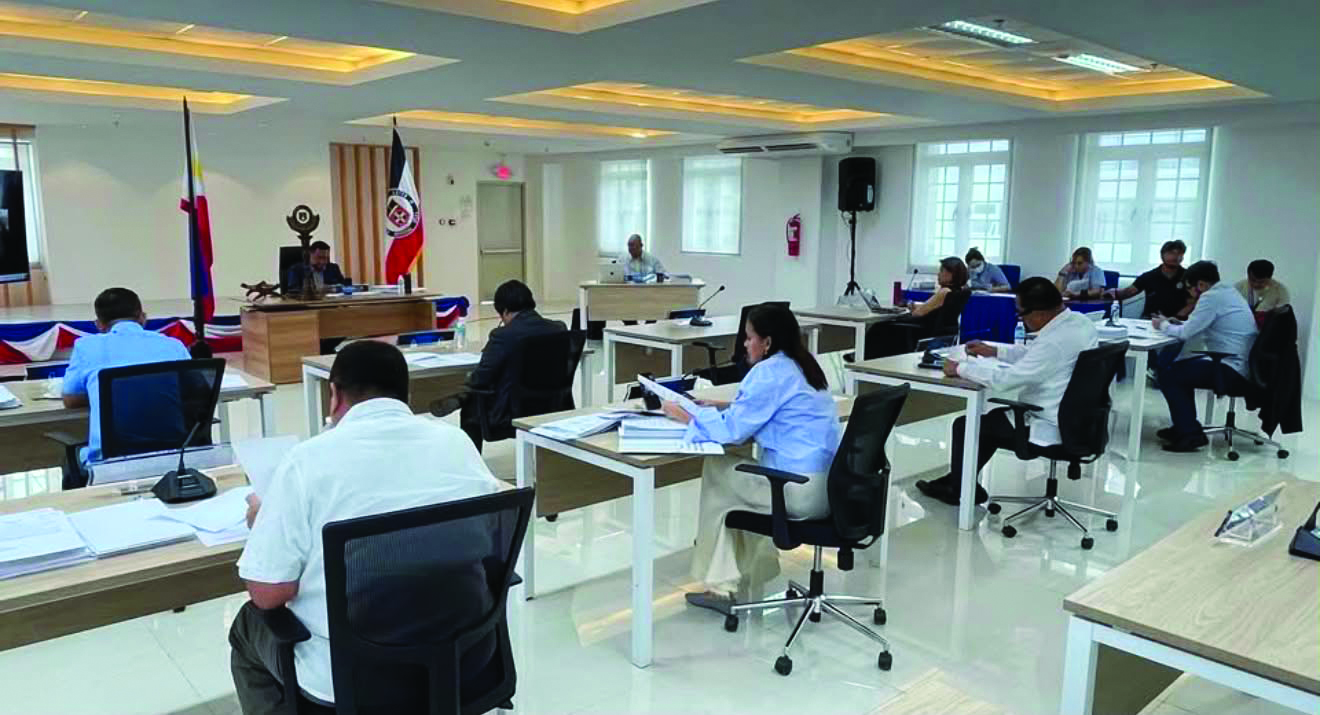
TACLOBAN CITY – Riding on renewed calls to lower electricity rates following President Ferdinand Marcos Jr.’s fifth State of the Nation Address (SONA), the Leyte Sangguniang Panlalawigan has urged Congress and Malacañang to amend the Electric Power Industry Reform Act (EPIRA), saying Eastern Visayas consumers should benefit from the region’s vast geothermal power resources.
In a resolution approved during its regular session last Thursday, the provincial board called for amendments to Republic Act No. 9136, or the EPIRA Law, to allow electric cooperatives in Eastern Visayas to directly source electricity from the Leyte Geothermal Production Field in Tongonan, Ormoc City—one of the country’s largest renewable energy facilities—instead of relying heavily on the Wholesale Electricity Spot Market (WESM).
The resolution comes days after President Marcos, in his fifth SONA, ordered the removal of the system loss charge from consumers’ electricity bills and urged Congress to amend the EPIRA Law to protect the public from unnecessary power costs.
System loss refers to electricity lost during transmission and distribution due to technical factors, such as heat generated in power lines and transformers, as well as non-technical losses, including electricity theft and pilferage.
Under the current setup, distribution utilities are allowed to recover a portion of these losses from consumers through the system loss charge on their monthly electricity bills.
Board Member Wilson Uy said the province’s appeal reflects the long-standing frustration of residents who continue to pay high electricity rates despite Eastern Visayas being a major producer of clean and renewable geothermal energy.
Provincial legislators said allowing electric cooperatives to directly procure geothermal power from Tongonan would reduce their dependence on the WESM, where electricity prices fluctuate based on supply and demand, resulting in volatile power rates.
Enacted in 2001, the EPIRA Law restructured and privatized the country’s power industry to encourage competition and private investments. However, local government units, consumer groups, and lawmakers have repeatedly sought amendments, arguing that some provisions have prevented distribution utilities from securing lower-cost electricity and have contributed to persistently high power rates.
The Leyte provincial board said amending the law would not only help reduce electricity costs for households and businesses but also improve Eastern Visayas’ competitiveness by giving the region better access to the renewable energy it produces.
LIZBETH ANN A. ABELLA