24.7 C
Tacloban City
March 27, 2026 - Friday | 9:16 PM
Home Blog Page 971

Public awareness

0

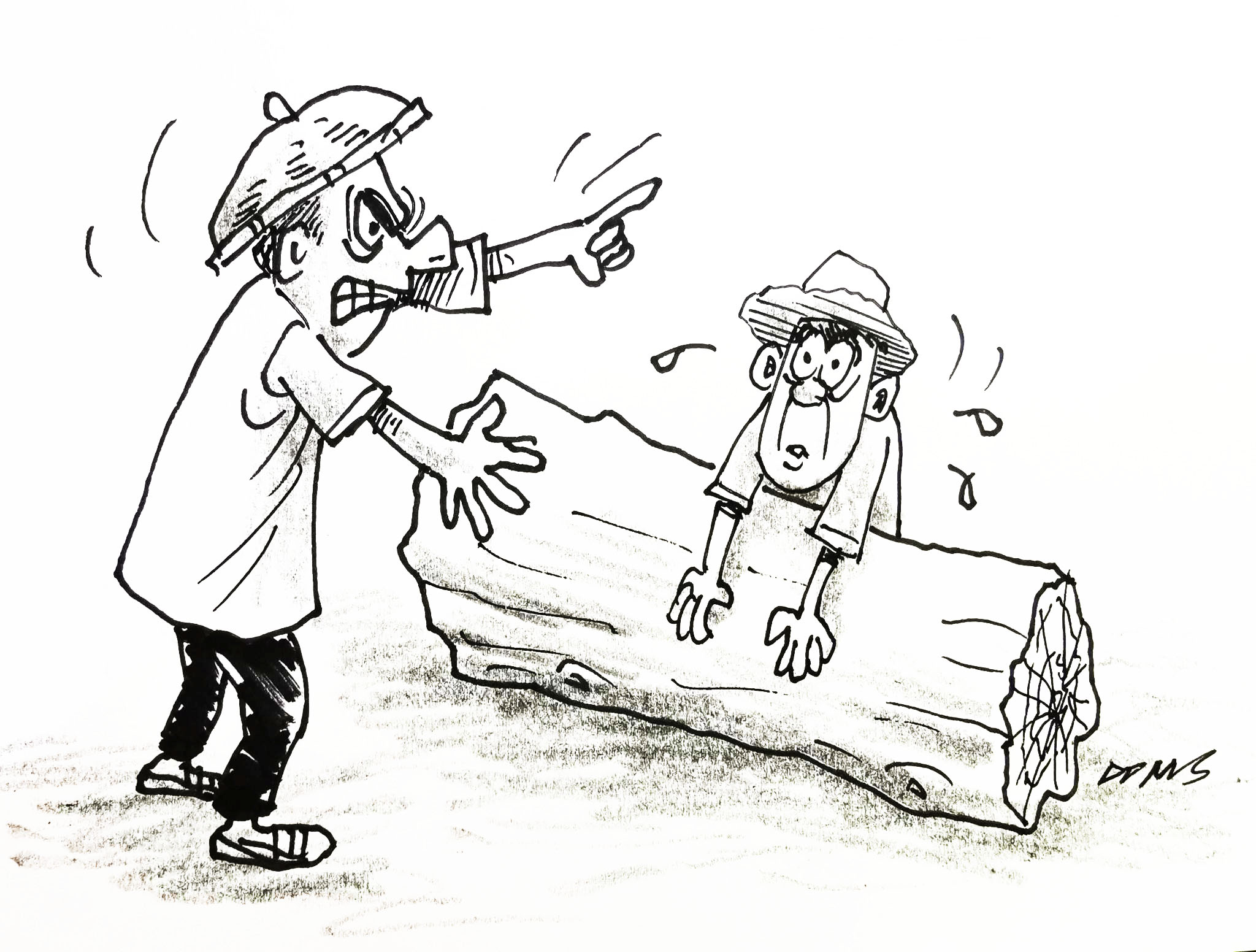
Before our local hardwoods totally disappear from the forests, people should be made aware that hardwood trees, which include species like narra, hamurawon, banuyo, gisok, play a crucial role in maintaining biodiversity, sequestering carbon, providing habitat for wildlife, and supporting various industries. There are some strategies for preserving hardwoods.

One is to encourage and enforce sustainable logging practices that include selective harvesting, reforestation, and protection of sensitive ecosystems. Sustainable forestry practices can ensure a steady supply of hardwoods while preserving the long-term health of the forest. There is a need to promote and support forest certification programs. These programs provide guidelines for sustainable forestry practices and help consumers identify wood products from responsibly managed forests.

Since old-growth hardwood forests are valuable ecological habitats that host unique species and store large amounts of carbon, efforts should be made to protect these forests from logging and development. For instance, implement and enforce regulations and zoning laws that govern the logging of hardwoods and the conversion of forested land into other land uses. These regulations should prioritize the conservation of hardwood resources and forests.

Promote the preservation of biodiversity in hardwood forests by protecting and maintaining a variety of tree species, including rare and threatened species. Biodiversity is crucial for ecological resilience. Or else, protect hardwood forests for the sake of wildlife conservation. Many species, including birds, mammals, and insects, depend on these forests for food and habitat. Public awareness then about the importance of hardwood forests and the need for their preservation should be raised.

Engaging local communities and stakeholders can lead to greater support for conservation efforts. Invest in research and monitoring to better understand the health and dynamics of hardwood forests. This information can inform conservation strategies and management decisions. Provide incentives for landowners and organizations to conserve hardwood forests through tax benefits, grants, and other financial mechanisms. Through these, we can ensure the continued availability of hardwood resources and maintain the ecological and economic benefits they provide.

Decongesting cities

0
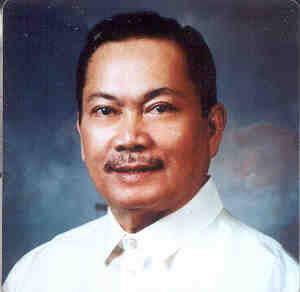
DOMS PAGLIAWAN

Nowadays when big cities are getting congested, some things must be done, like enhancing and improving rural areas, typically with the goal of increasing economic opportunities, improving quality of life, and promoting sustainability. There are several reasons why countryside development is important:

Cities tend to attract people in search of better economic prospects, which can lead to overcrowding, traffic congestion, and high living costs. Countryside development helps distribute population and economic activities more evenly, reducing the pressure on urban areas.

Since rural areas often rely heavily on agriculture, they can be vulnerable to factors like weather conditions and market fluctuations. Countryside development initiatives can introduce new economic activities such as tourism, renewable energy, and small-scale manufacturing, diversifying the local economy and reducing dependence on a single sector.
It can be noted that rural areas frequently face unemployment and underemployment issues. Countryside development projects can create job opportunities both directly, through the construction of infrastructure or establishment of new businesses, and indirectly, by stimulating local economies.

Rural areas often have strong cultural traditions and historical sites. Countryside development can include initiatives to preserve and promote these cultural assets, attracting tourists and supporting local artisans and traditions.

Rural communities often have limited access to healthcare, education, and other essential services. Development projects can improve infrastructure, build schools and healthcare facilities, and provide better access to these services for rural populations.

Careful countryside development can include provisions for protecting natural landscapes, wildlife habitats, and the overall environment. Sustainable land use planning can help conserve biodiversity and minimize the environmental impact of development.

Many people value the tranquility and natural beauty of rural areas. Countryside development can enhance the quality of life in these areas by improving infrastructure, providing recreational opportunities, and preserving scenic landscapes.

Countryside development can also involve modernizing agricultural practices. This can improve food security, increase agricultural productivity, and enhance the income of rural farmers.

Rural areas often lack essential infrastructure like roads, electricity, and clean water supply. Countryside development projects can address these infrastructure gaps, improving living conditions and facilitating economic growth.

Yes, countryside development can strengthen the connections between rural and urban areas. This can include better transportation networks, allowing for the efficient movement of goods and people between rural and urban centers.

The development of remote areas is crucial for achieving a balanced and sustainable pattern of economic and social development. It can improve the quality of life for rural populations, stimulate economic growth, and help address the challenges associated with rapid urbanization. However, it’s important that such development is carried out thoughtfully, taking into account the unique characteristics and needs of each rural area, and with a focus on sustainability and inclusivity.

USAID bares $4.3-M grants for climate change projects

0
Dr. Paciente Cordero

In yet another concern by global organizations, the US Agency for International Development (USaid) has awarded the Philippines P240 million ($4.3 million) in grants to help in the country’s civil society organizations to help local communities with their climate concerns.

The USAid’s 11 grants were unveiled at the Ninoy Aquino Parks in Quezon City, in the presence of the US Ambassador to the Philippines and the Department of Environment and Natural Resources (DENR) Environment Undersecretary recently. The grants address the efforts to conserve biodiversity, protect wildlife and implement natural climate initiatives. The same grants were made possible under the USAid’s Investing in Sustainability and Partnership for Inclusive growth and Regenerative Ecosystems (Inspire) Project.

US Ambassador MaryKay Carlson, realizing the significant role of civil society, was quoted saying “through these grants, we are advancing sustainable local that will help communities address he unique climate challenges they face.” She (Carlson) added that “these grants contribute to our shared goal of a more resilient future where both people and nature thrive.”

Likewise, Usec. Juan Miguel Cuna, in expressing his gratitude to the grant, was quoted saying “we are one with USAid and inspire in the quest for an increased and a more meaningful participation and engagement of all sectors (of society), DENR is grateful for the continued partnership, and we look forward to deepening our engagement as we work toward creating a more equitable world for all.”

It might be worth recalling, that since 2021, USAid has provided more than P20 million ($11.7 million) to civil society organizations purposely to achieve “environmental sustainability and uplifting the lives of Filipino communities.” Some of the beneficiary organizations included BaiAni Foundation, CBCP Foundation, Coastal Conservation and Education Foundation, Diliman Science Research Foundation, Impl Project Philippines, Institute for Climate and Sustainable Cities, Mabuwaya Foundation, Surigao Economic Development Foundation, ”Tanggol” Kalikasan, University of Santo Tomas Research and Endowment Foundation, and Xavier Agricultural Extension Services Foundation.

MY COMMENT:

The Philippine government will forever be thankful to the US government through its various organizations, e.g. USAid for many monetary and material assistances. Of these, however, I single out the latest USAid’s 11 grants specifically to support the country tackle climate change challenges. Being an active Biologist, that on the conservation of biodiversity appeals deeply.

A bit unhappy that among the USAid grants recipients, none come from R8!
ooo000ooo
NEXT TOPIC : “Credit access and improved irrigation – Agri Groups Plead”
SHARE S & T THOUGHTS through E-Mail: drpacjr@yahoo.com.

Careful with the danger of envy

0
FR. ROY CIMAGALA
FR. ROY CIMAGALA

THIS danger usually arises when we are not contented with what we have or with what is promised to us. It arises when we tend to compare ourselves with others in an improper way—that is, not for the glory of God but rather for our own self-interest only.

We are reminded of this danger in that gospel parable about a landowner hiring workers in different hours of the day. (cfr. Mt 20,1-16) The landowner saw idle people around and decided to hire them, promising to pay them a certain amount of money. When he saw other idle people in the latter part of the day, he also decided to hire them, promising them to pay them something.

As it turned out, when the time came to pay them, the landowner decided to pay the same amount to everyone, irrespective of the time they were hired. That’s when those hired in the first hour thought they would receive more than what was promised, obviously because they rendered longer time of work.

But the landowner noticed that those hired in the first hour grumbled about their pay, and so, he corrected them saying, “Did you not agree with me for the usual daily wage? Take what is yours and go. What if I wish to give this last one the same as you?”

That’s when the parable ended with the intended concluding lesson with these intriguing words of Christ: “Are you envious because I am generous? Thus, the last will be first, and the first will be last.”

Indeed, we need to be most wary of this danger of envy that would lead us to feel entitled just because we came ahead of the others, or more gifted and privileged than them. That would lead us to think that those who came later than us or who are less gifted than us to be better rewarded by God than we are if they were given the same treatment.

What we should rather do is to be contented with what we have as given by God through his different ways, and just focus on what we have to do to fulfill our duties and responsibilities. Anyway, in the end God knows what to give us in return, and he can never be outdone in generosity.

We should just be generous in our self-giving without feeling entitled. This was the example of Christ himself who, being God, emptied himself to become man and to bear all the sins of men by dying on the cross, all for the purpose of saving mankind. (cfr. Phil 2,7)
He reiterated this point when he lamented about the domineering sense of entitlement of some of the leading Jews of his time while praising the poor widow who put all that she had into the temple treasury. (cfr. Mk 12,38-44)

While it’s true that we obviously are entitled to our rights, we should not feel entitled to privileges and favors that are above our rights and needs. If they come and we cannot avoid them, then let’s be thankful.

But let’s be reminded that these privileges, favors and blessings are meant for us to strengthen our desire to serve more and not to be served. But as it is, we should try to avoid them, since they tend only to spoil and corrupt us.

We have to be most wary when we happen to enjoy some privileged positions or status in life because we tend to think that we deserve more entitlements. And not only would we expect them. We may even demand them for us.

Importance of Peace

0

History has been proof of the thousands of wars which have taken place in all periods at different levels between nations. Thus, we learned that peace played an important role in ending these wars or even preventing some of them. In fact, if you take a look at all religious scriptures and ceremonies, you will realize that all of them teach peace. They mostly advocate eliminating war and maintaining harmony. In other words, all of them hold out a sacred commitment to peace.

It is after the thousands of destructive wars that humans realized the importance of peace. Earth needs peace in order to survive. This applies to every angle including wars, pollution, natural disasters, and more. When peace and harmony are maintained, things will continue to run smoothly without any delay. Moreover, it can be a savior for many who do not wish to engage in any disruptive activities or more.

In other words, while war destroys and disrupts, peace builds and strengthens as well as restores. Moreover, peace is personal which helps us achieve security and tranquility and avoid anxiety and chaos to make our lives better.

How to Maintain Peace

There are many ways in which we can maintain peace at different levels. To begin with humankind, it is essential to maintain equality, security, and justice to maintain the political order of any nation.

Further, we must promote the advancement of technology and science which will ultimately benefit all of humankind and maintain the welfare of people. In addition, introducing a global economic system will help eliminate divergence, mistrust, and regional imbalance. It is also essential to encourage ethics that promote ecological prosperity and incorporate solutions to resolve the environmental crisis. This will in turn share success and fulfill the responsibility of individuals to end historical prejudices.

Similarly, we must also adopt a mental and spiritual ideology that embodies a helpful attitude to spread harmony. We must also recognize diversity and integration for expressing emotion to enhance our friendship with everyone from different cultures. Finally, it must be everyone’s noble mission to promote peace by expressing its contribution to the long-lasting well-being factor of everyone’s lives. Thus, we must all try our level best to maintain peace and harmony. (PR)

Leyte 4TH DEO: Planting for a greener tomorrow

0
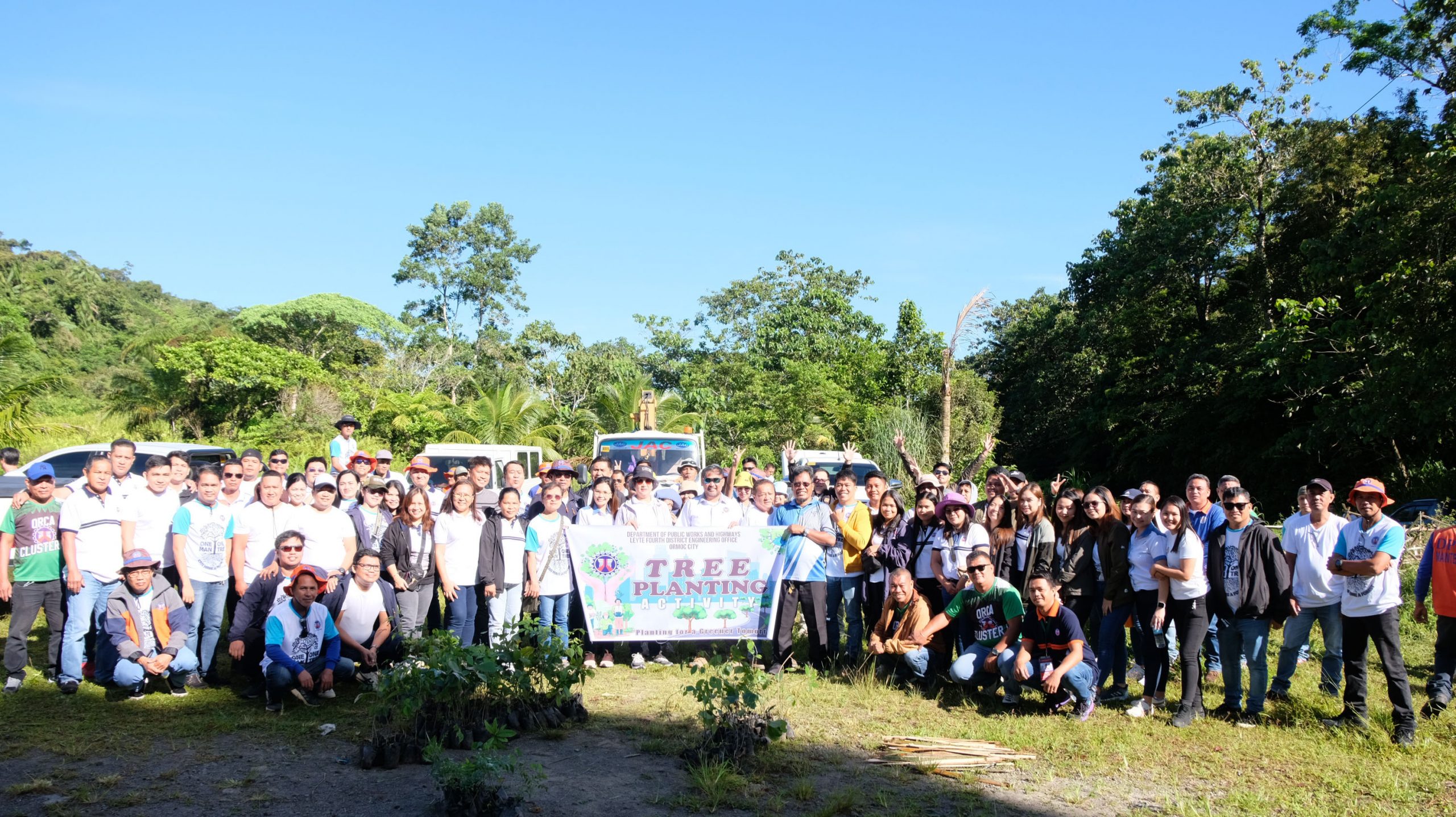
Personnel from the 4th District Engineering Office in Leyte, led by officer-in-charge Engr. Peter Scheler Soco,conducted a tree planting activity as part of their contribution to protect Mother Earth.

ORMOC CITY-In an effort to promote environmental sustainability, the Department of Public Works and Highways (DPWH) Leyte 4th District Engineering Office (DEO) recently conducted a tree planting activity with the theme: “Planting for a Greener Tomorrow”.

Officer-In-Charge (OIC) Assistant District Engineer Peter Scheler V. Soco reported that a total of 250 Narra seedlings were successfully planted in the designated area in Barangay Lake Danao, a location recommended by the Department of Environment and Natural Resources (DENR).

“For development projects undertaken, there is a tree replacement ratio of 1:100, highlighting the dedication of the office to balance infrastructure development with environmental preservation,” he stated.

OIC District Engineer Rosita A. Tinawin further underscored the sentiment saying, “The tree planting activity is important in order to preserve the environment and prevent flooding. More trees mean more lives will be saved.” She also hoped that as the Narra seeds take root, they will not only help the environment but also protect fellow citizens living in low-lying areas.

This endeavor aligns with the broader national strategy to address climate change and its associated challenges while contributing to a greener and more sustainable future for the district.(PR)

Recent Posts

DALMACIO C. GRAFIL
PUBLISHER

ALMA GRAFIL
EDITOR-IN-CHIEF

ROMEO CEBREROS
OFFICE IN-CHARGE

OFFICE
BRGY. SONGCO, BORONGAN CITY

CONTACT NUMBERS
(055) 261 – 3319 | 0955 251 1533 | 0917 771 0320 | 0915 897 7439 | 0921 511 0010

DALMACIO C. GRAFIL
PUBLISHER

RICKY J. BAUTISTA
EDITOR

ALMA GRAFIL
BUS. MANAGER

OFFICE
RIZAL AVENUE, CATBALOGAN
(INFRONT OF FIRE DEPARTMENT, NEAR CITY HALL)

CONTACT NUMBERS
0917 771 0320 | 0915 897 7439 | 0921 511 0010

EMAIL
lsdaily2@yahoo.com

WEBSITE
www.issuu.com/samarweeklyexpress