TACLOBAN CITY– A 5.2 magnitude quake in several parts in Leyte and Samar provinces at about 12:57 pm on Monday (Nov. 20).
The Philippine Institute of Volcanology and Seismology (Phivolcs) reported that the tremor, which it first measured at 5.6 magnitude, had an epicenter of Calbiga, Samar.
It added that it expects some damages and aftershocks due to the tremor which was of tectonic in origin.
The National Grid Corporation of the Philippines (NGCP) said that their power transmission services remain normal despite of the quake.
“The grid remains intact as there had been no reported cases of power interruptions and damaged transmissions facilities areas where the earthquake was felt,” it said in an advisory.
In Calbiga, the epicenter of the quake, employees of the municipal government including Mayor Red Nacario rushed outside the building.
“It was strong with the shaking lasting for almost five seconds,” an employee of the municipal disaster risk reduction management office said.
She said that there was no damage reported.
In Tacloban, people who were inside offices, homes, and establishments also went out to the streets for safety. (JOEY A. GABIETA)
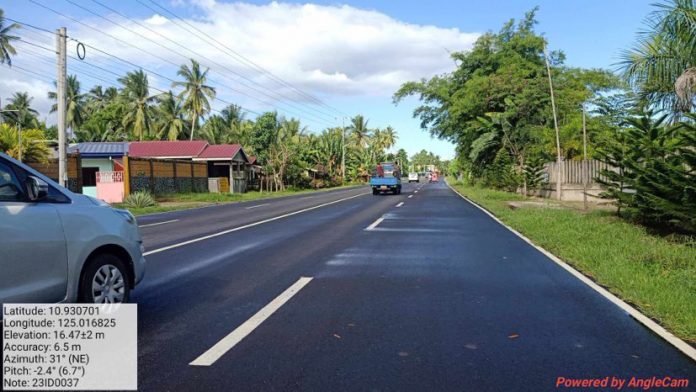
The Department of Public Works and Highways-2nd Leyte engineering district repair a portion of the Daang Maharlika in MacArthur town.
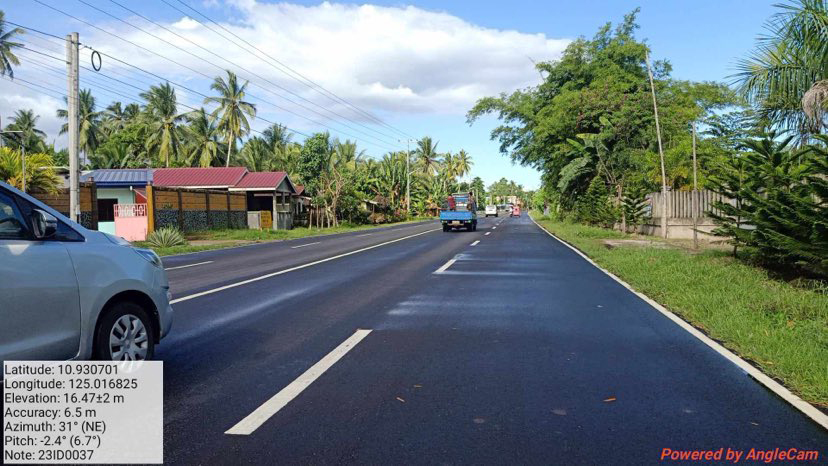
The Department of Public Works and Highways-2nd Leyte engineering district repair a portion of the Daang Maharlika in MacArthur town.
TACLOBAN CITY – The Department of Public Works and Highways (DPWH)-Leyte 2nd District Engineering Office (L2DEO) has finished the rehabilitation, reconstruction and upgrading of the damaged paved roads along the primary road section of Daang Maharlika, particularly in Barangay Fatima, MacArthur town.
The project involves the rehabilitation of the damaged and is expected to improve the traffic flow and facilitate faster and more convenient road access.
According to District Engineer Leo Edward Oppura, the project was prioritized because Daang Maharlika caters to a volume of vehicles every day as it serves as a gateway to the Mindanao areas.
The project was completed in the amount of P48.79 million with funding under the DPWH Asset Preservation Program from the 2023 General Appropriation Act (GAA).
L2DEO’s Daang Maharlika’s road network covers the municipalities of Dulag, Mayorga, and MacArthur. (LIZBETH ANN A ABELLA)
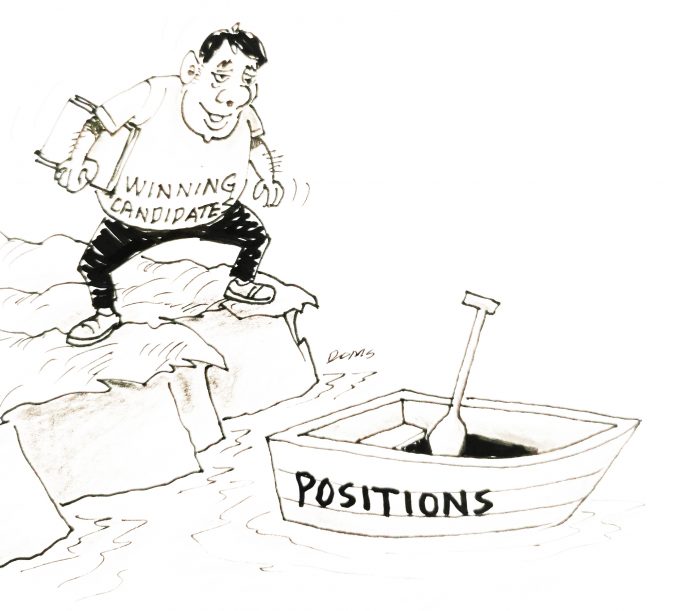
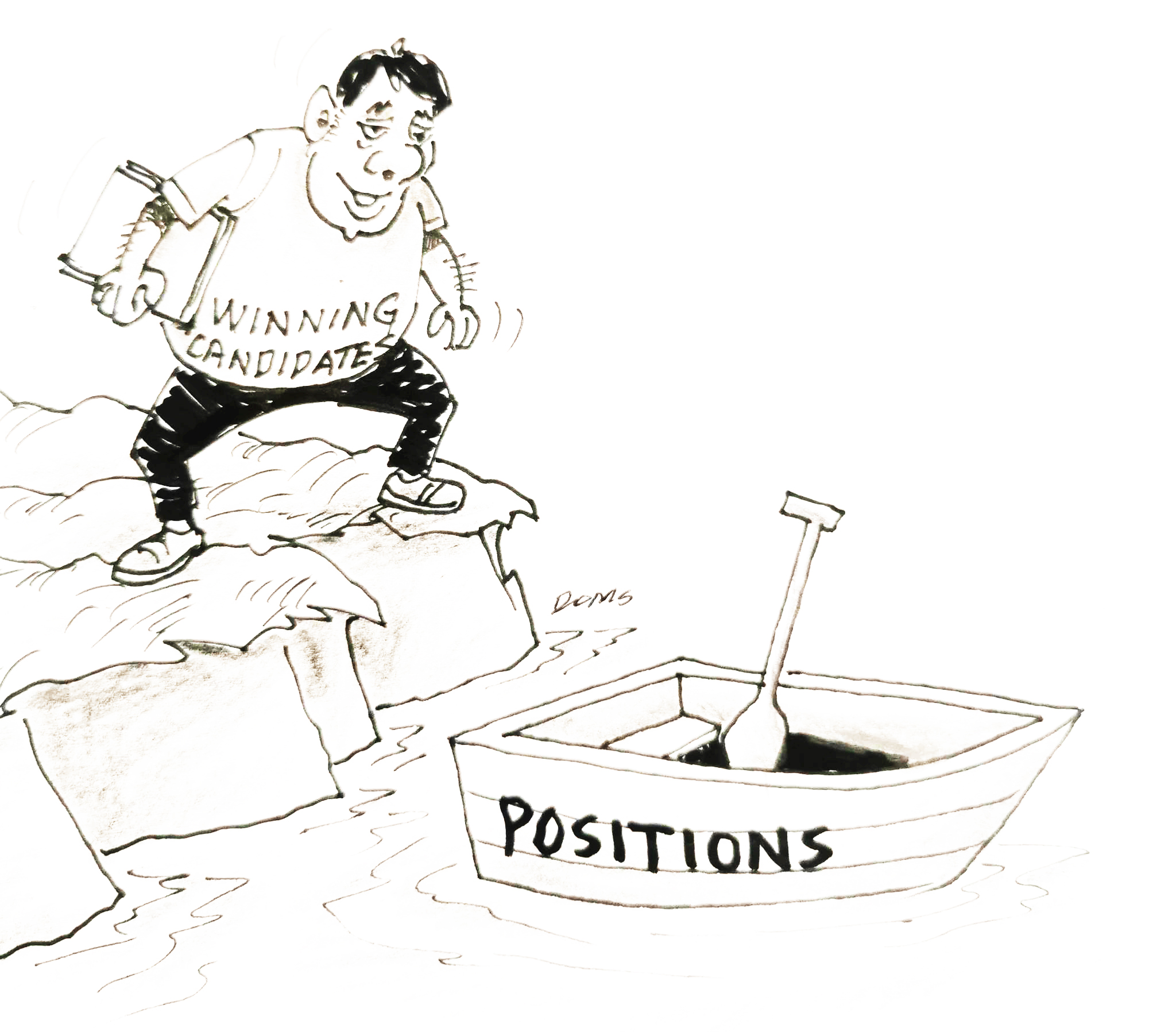
The newly elected Barangay and Sangguniang Kabataan (SK) officials have a crucial responsibility to fulfill the promises they made during their campaign. They should have the intelligence, foresight, and practicality to efficiently carry out their commitments. They should comprehend the needs of their constituents, possess knowledge of local governance, and determine how to implement change effectively.
Intelligence plays a pivotal role in the success of any elected official. These officials must possess a high level of intellectual capability to comprehend complex issues and challenges. They must be able to analyze data, interpret policies, and develop innovative solutions to address the diverse needs of their community. Furthermore, they should know how to navigate the intricacies of local governance, such as budgeting, resource allocation, and legal processes. By utilizing their knowledge effectively, they can make informed decisions and prioritize the promises they made during their campaign.
Comprehending the needs and aspirations of the barangay and SK residents is crucial for these officials to fulfill their promises genuinely. This requires active engagement with the community, conducting surveys, and soliciting feedback from different stakeholders. By listening attentively to their constituents, the elected officials can gain a deeper understanding of the pressing concerns and priorities of their community. This will allow them to tailor their actions and policies accordingly, ensuring that their promises address the real needs of the people they represent.
Effective implementation of promised actions requires perseverance, tenacity, and the ability to overcome obstacles. The officials must not succumb to complacency but instead remain steadfast in their commitment to bring about positive change. They must mobilize resources, rally support from their fellow officials, and demonstrate resilience in the face of challenges. With determination, these officials can turn their promises into reality, thus ensuring the improvement and development of their barangay and the welfare of its residents.
Above all, it is their determination that will ultimately drive them to untiringly work towards fulfilling their pledges. As they embark on their terms, these officials should constantly strive to develop their intellectual capacities, actively engage with their constituents, and remain resolute in their pursuit of progress and change.
The advent of digital technology has revolutionized various aspects of our lives, including the way we consume and access information. Traditional printed books, once an indispensable source of knowledge and entertainment, are now being overshadowed by their digital counterparts. Some reasons explain why printed books have become increasingly unnecessary in our digital-centric society, discussing the convenience, accessibility, affordability, interactive nature, environmental friendliness, versatility, and multimedia features offered by digital technology.
One of the primary advantages of digital technology lies in its convenience and accessibility. With a myriad of electronic devices at our fingertips, we can access an entire library of books within seconds. The ability to download e-books instantly onto e-readers or smartphones eliminates the need to carry bulky physical books. In addition, digital platforms offer customizable features, such as adjustable font sizes and bookmarks, enhancing the reading experience to suit individual preferences. This ease of access and customization sets digital books apart from their printed counterparts, making them more user-friendly and adaptable to the modern reader’s needs.
The affordability of digital books also contributes to the growing irrelevance of printed books. Unlike their physical counterparts, e-books are often priced lower due to reduced production costs. Online platforms, such as Kindle, allow readers to access an extensive selection of books for a fraction of the price of a printed copy. The ease of purchasing and downloading books online eliminates additional expenses associated with physical distribution, storage, and transportation. Consequently, digital books are not only cost-effective but also offer immediate delivery, further undermining the need for printed books.
Digital technology has disrupted the passive nature of reading by offering interactive elements, enticing readers with a more engaging experience. E-books can incorporate multimedia features such as hyperlinks, audio, and video, enriching the content and providing a deeper understanding of the subject matter. This wealth of interactive tools encourages active participation and empowers readers with a multisensory experience, often lacking in traditional printed books. As a result, digital books engage readers on multiple levels, making the experience more intellectually stimulating and immersive.
Another aspect where digital technology outshines printed books is in its positive environmental impact. The production and distribution of printed books require significant amounts of paper, which contributes to deforestation and greenhouse gas emissions. Conversely, digital books require no physical production and are not subject to wear and tear, making them sustainable and eco-friendly. By replacing printed books with their digital counterparts, we can contribute to the conservation of natural resources and mitigate the harmful environmental consequences associated with traditional publishing practices.
Digital technology provides an unparalleled level of versatility and storage capacity that printed books simply cannot match. Thousands of books can be stored in a single device, freeing physical space and eliminating concerns about storage limitations. Furthermore, digital books can be accessed and read across multiple devices, ensuring continuous access to one’s personal library irrespective of location. This flexibility and ease of management make digital books better suited to the dynamic and fast-paced nature of modern lifestyles.
The integration of multimedia features makes digital books more appealing and comprehensive. Digital platforms often include complementary materials such as author interviews, maps, glossaries, or additional reading suggestions. By amalgamating these supplementary elements, digital books offer a more holistic reading experience, enhancing comprehension and enriching the reader’s engagement with the content. This integration of multimedia features further reinforces the superiority of digital books over printed ones.
The rise of digital technology has undeniably made printed books increasingly useless in our digital era. From convenience and accessibility to affordability, interactivity, environmental friendliness, versatility, and multimedia features, numerous factors contribute to the fading relevance of printed books. It’s up to readers, educators, and publishers if they will embrace the digital revolution and adapt to the future of reading to fully exploit the transformative potential of digital technology.
Where teachers of the law were in long garments taking privileged seats in synagogues and social places, chiefly in prayers and banquets. They are experts of the law but were said to misunderstanding the purpose and spirit of the law they preach. They are showy in public and are self-righteous as they mind others but could not see their own wrongful acts. They are on guard for whatever Jesus does in His public ministry, ready to question at every opportunity they thought are acts that are against the laws.
But they were ably rectified with all their knowledge and beliefs about the practices that Jesus do before the public. On many occasions, they were challenged to show how is it wrong to do good deeds on days that the Pharisees consider as holy and for rest. They could not refute the teachings as they themselves would certainly do good deeds even on a day of rest if the situation calls for like saving an animal that fell on a deep well on a Sabbath, much more saving a sick person or one possessed by evil spirit that needs to be healed.
In their desire to condemn Jesus who came to save mankind from sin, they keep denying that Jesus is the Messiah who was sent by God the Father to bring salvation. They tagged Him as using the power the evil one in healing the sick and the possessed. Even those who were raised from the dead were not enough to convince the Pharisees that He is the Son of God.
It took one traitor among His disciples to give the Pharisees the opportunity to bring Him to the mistrial in human history. The salvific story was full of twists and turns that appeared the evil one prevailing over good. It narrated how His disciples abandoned and disowned Him as the unjust death sentence was rendered by a mob that preferred to free a criminal.
There too are Pharisees in our present times, no longer in long garments but in polo shirt and denim, barong or at times coat and tie, preaching too well for others to do what they do not do. The recent preaching following the barangay elections was for those who won to be honest. It truly is appalling that a national leader would have the temerity to issue such admonition despite the dishonesty of the vote selling and vote buying that was the determining factor for winning.
How in hell could such national leaders have the gall of cajoling the winners to be honest when he is not honest in any aspect, chiefly in the non-payment of taxes. Who are to be fooled by such preaching that the preacher does not do. It takes a thick face to tell the public to be honest from a modern Pharisee of our time. comments to alellema@yahoo.com
ESPECIALLY when we enjoy a lot of blessings and privileges in our life, and yet also carry with us our share of shameful weaknesses, failures and sins, the example of Zaccheus, the rich chief tax collector who had great love for Christ, (cfr. Lk 19,1-10) should inspire us.
As we read in that gospel narrative, Zaccheus knew well who and how he was with regard to his spiritual and moral life. He had great faith and love for Christ, but given the nature of his work, he also had his dark and ugly part of his life.
The life of Zaccheus resonates with many of us who find ourselves grappling with contrasting features of our life—an abiding, if dormant, faith in God, and a load of weaknesses and sins. We can have both love of God and a certain attraction to evil or concupiscence. What we should do is to follow the example of Zaccheus.
We should not be ashamed of our weaknesses and sins, and instead of letting them be the reason to stay away from God, they should rather urge us to go to God as quickly as possible.
God always forgives. In the book of Ezekiel, we read, “Do you think that I like to see wicked people die? says the Sovereign Lord. Of course not! I want them to turn from their wicked ways and live.” (18,23)
And in the Gospel of St. John, we read, “For God sent the Son into the world, not to condemn the world, but that the world might be saved through him. He who believes in him is not condemned; he who does not believe is condemned already, because he has not believed in the name of the only Son of God.” (3,17-18)
And so, we should not stay long feeling guilty, sad, burdened, worried, afraid and ashamed when we commit sins. All we have to do is to ask for forgiveness and the grace of God, so we can start healing our weaknesses that gave an opening to temptations and sins, as well as gaining strength to do more good things.
We have to remember that Christ has already paid the ransom for all our sins. We should just be quick to ask for that ever available mercy of God and move on, atoning for our sins and doing a lot of good things.
Yes, in spite of our weaknesses, failures and sins, we can afford to live a happy, peaceful, hopeful and confident life, because Christ has assured us of divine mercy. In fact, Christian life is such a life.
This mercy of God, of course, is not meant to spoil us. Rather, it is meant to teach us how to repay love with love and to be God-like as we should. There should be an impulse in us to grow better and mature in our spiritual life of love for God and others. Absent this impulse, the only possibility is to get spoiled.
This love is shown when we develop a true and deep spirit of penance. We have to learn to acknowledge our sins and weaknesses and to go to regular confession. We cannot return to the right path unless we first acknowledge our mistakes. We should be man enough to do that, always at the impulse of grace which God never refuses to give.
As we can see, Christian life is truly a happy life. When we are not happy or when we are not at peace and hopeful, it can only mean one thing: we are not yet with Christ!