
23.3 C
Tacloban City
March 18, 2026 - Wednesday | 8:08 AM
Home Blog Page 1099

NFRDI pushes aquashading tech for tilapia culture

0
Dr. Paciente Cordero

A new high production technology for Tilapia culture is being introduced to increase harvest. The technology, being pilot-tested is called Aquashading. The technology was developed by the fishery researchers of Central Luzon State University (CLSU) aimed “to raise the country’s tilapia production.

However, it will be the technical staff of the Aquaculture Research and Development Division (ARDD) of the National Fisheries Research and Development Institute (NFRDI) who will pilot-test the technology – taking note of the technical performance of aquashading technology with or without shading Type I and Type III agro-climatic conditions or those that have dry and wet seasons.

As perceived by the CLSU researchers, aquashading technology aims to increase tilapia seed production (fingerlings) and ensure income among tilapia hatchery and grow-out operators. The “technology reduces water temperature to make it favorable for breeding and increasing the seed production of tilapia in in the ponds.” The reduction of water temperature during the hottest hours of the day can significantly increase the spawning rate and seed production.

Two-proposed on-station verification studies are: for Type I located at NFRDI’S Freshwater Fisheries Research and Development Center (FFRDC) in Butong, Taal, Batangas, and the Type III located in the Brackishwater Fisheries Research and Development Center (BFRDC), in Lala, Lanao del Norte. There are two more proposed sites in Samar and Pangasinan.

A modified Corona Classification of Climate and according to NFRDI there are four climate types in the Philippines, thus:

1) Type I is dry from November to April and wet during the rest of the year;
2) Type II has no dry season with a very pronounced maximum rain period from December to February;
3) Type III has no very pronounced maximum rain period with a short dry season from 1 to three months; and,
4) Type IV has rainfall that is more or less evenly distributed throughout the year.
The CLSU technologists suggest the use of greenhouse nets installed over the pond to provide shade to the cultured tilapia. The shade provided by the net reduces the water temperature by 3-4 degrees Celcius that contributes the fish’s chance of reproducing more fish by 100 percent in pond- based and hapa-based systems.
Early tilapia aquaculturists who “. . .adopted the aquashading technology gained an estimated 14 percent return of investment (R0I) and an estimated payback period of fewer than two years”

MY COMMENT:
Being product of research and development, aquashading should be encouraged among businessmen engaged in tilapia aquaculture, in terms of ROI. The NFRDI should transfer the said technology to help food security problem of the country. And that more pilot cum verification sites should be explored, especially in the Visayas – there is dire need to improve the lot among fisherfolks and aquaculturist sector, particularly in Eastern Visayas.
ooo000ooo
NEXT TOPIC : “BOI assists processing permits of P50-Billion telco projects.
SHARE S & T THOUGHTS through E-Mail: drpacjr@yahoo.com.

Avoiding AI takeover in education

0
DR. CLEMELLE MONTALLANA
CLEMELLE L. MONTALLANA,DM, CESE
ASSOCIATE PROFESSOR III

It would be unwise to disregard the signs of the times, it would be disastrous not to prepare for the same.

When Nokia was on the top of Cellular Phone business in the late 90s and early 2000s I was thinking that no phone will be ever made other than that Finland brand. In my mind it was the epitome of great engineering hard, durable, ingenious, functional and effective. But we knew the story, as Android Operating System came, Nokia, refused to adjust and now they are mostly gone.

Maggi Noodles was staple in every Filipino household, it was the main noodle soup and the market share was huge. In 2011, suspicion of Salmonella contamination was there and Maggi Noodles was recalled and today no Sari sari store shelf has that major staple. Maggi, failed to prepare for a safety issue and that ultimately ended its reign.

Nokia and Maggi are immensely popular in their heydays and now they are extinct.
At present, the education system is obviously to a large extent dependent to Information Technology. From Hardware (computers, PCs, Laptops, Projectors, recording devices, memory sticks, camera etc…) to Softwares ( Windows OS, Linux etc…)Education also has Search Engines in Google, Bing etc…Applications Canva, Video Recording Apps. Zoom, Teams, Google Meet etc…

In a nutshell, our education ways and means now are dependent on Information Technology and we cannot say for certain that it’s a dependence to a large extent or to a certain significant extent, but we can say for certain that we are not joking that indeed the dependence is there.

What would happen if the dependence become more intense and more significant? What would happen if the education as we knew it change to be more Computer based and less human based? Right, now Artificial Intelligence had became more involved in our lives than ever before and it may take over our jobs in the future. Appearing in Sensorium a Blog posts this alarming title 10 Signs that AI will Soon Replace (And Those That It Wont )
• Customer Service Representatives. …
• Receptionists
• Accountants/ Bookkeepers
• Salespeople
• Taxi and Truck Drivers
• Retail Services
• Proofreaders and Translators
• Security and Military Personnel

And soon enough , Teaching and of course teachers. Will Robots or Artificial Intelligence take our jobs away ? It may be sooner than expected. For teachers like me, it may be something we may not welcome but it is an inconvenient truth that will come.

How can we mitigate its take over ?Let me count the ways …

1. Educators must waste no time in reinventing itself as Educators. Human Touch in Tactile and Emotional Sense is something that AI cannot easily replicate nor provide, humans can take consolation on the fact that we are capable of that more than AI.
2. Harness the power of AI and use it to make teaching relevant and wonderful. Instead of fighting the trend, harness its advantage to be more relevant.
3. Find the niche beyond the knowledge level and go beyond. Since knowledge or information is nearly in abundance in our search engines , we can go to mindfulness, philosophy and other humanistic pursuits, Artificial Intelligence cannot easily out ran there.
For now this looms as a real challenge and these list is an informal list subject to the realities that will change it. Let us never stop moving ahead.

Retrieving oral lore

0
DOMS PAGLIAWAN

The rich cultural heritage of a civilization is best represented by its oral lore and literature. These timeless stories, poems, and songs passed down from generation to generation encapsulate the essence of a civilization and its people. However, with the advent of technology and modernization, oral traditions and literature are at the risk of being forgotten and lost forever. Thus, it is imperative to retrieve these invaluable treasures to preserve the legacy of our ancestors and to sustain our cultural identity.

Undoubtedly, oral lore and literature hold immense historical significance. The tales and legends passed down orally from one generation to another reflect the values, beliefs, and customs of a society. They offer a glimpse into the past, giving us a sense of how our ancestors lived, thought, and perceived the world around them. For instance, the Iliad and Odyssey of Homer, considered masterpieces of Greek literature, provide critical insights into the life and culture of ancient Greece. Similarly, African folktales and myths serve as a repository of historical information, portraying the struggles and triumphs of African societies.

Oral traditions and literature are an essential component of cultural identity. Cultural identity is a crucial aspect of who we are as individuals and communities. It shapes our values, beliefs, and behaviors and provides a sense of belongingness and attachment. Oral traditions and literature serve as a manifestation of cultural identity, embodying the unique features of a particular society. Thus, by retrieving and preserving this cultural heritage, we can strengthen our sense of identity and promote cultural diversity and tolerance.

Oral lore and literature are also a source of artistic and aesthetic inspiration. These literary gems are not only repositories of historical and cultural information, but they also contain a high degree of artistry and creativity. Folk songs, for example, use vivid imagery and emotive language to capture the essence of human emotions and experiences. Similarly, poetry is an art form that entails the use of language to convey deep emotions and feelings. By retrieving oral traditions and literature, we can enrich our aesthetic sensibilities and foster creativity and imagination.

Furthermore, oral traditions and literature promote language and literacy skills. Oral traditions and literature serve as an excellent medium for learning and practicing language skills, especially for children. Children who are exposed to a diverse range of stories and tales develop better language and literacy skills, which later translate into better academic performance. Furthermore, reading and listening to oral traditions and literature enhances critical thinking, analytical, and problem-solving skills.

Oral traditions and literature moreover provide insight into traditional ecological knowledge. Traditional ecological knowledge, a term coined by Canadian anthropologist Fikret Berkes in 1993, refers to the knowledge and practices developed by indigenous and traditional communities concerning the environment. TEL embodies a profound understanding of ecological systems and practices that have helped these communities sustainably manage their resources for centuries. Oral traditions and literature also preserve and pass down these knowledge systems, which offer crucial insights into how we can preserve our environment and sustainably manage our resources.

Retrieving oral traditions and literature can help revive dying languages. Many ancestral languages are at risk of dying out due to a lack of speakers and modernization. Oral traditions and literature, however, are an excellent way to keep these languages alive. By relearning and sharing these stories, we can help revive these dying languages and preserve our linguistic heritage.

The retrieval of oral traditions and literature can help bridge cultural divides and build intercultural relationships. Culture and ethnicity often form the basis of racial and ethnic conflicts. However, by appreciating and valuing the cultural diversity that exists in our world, we can build bridges and promote intercultural relationships. Oral traditions and literature provide excellent opportunities for this since they transcend cultural boundaries and offer universality.

Retrieving and preserving oral lore and literature is therefore imperative to preserve our cultural heritage, identity, and legacy. It offers historical knowledge and insights, artistic inspiration, language, and literacy skills, traditional ecological knowledge, linguistic and cultural revival, and intercultural relationships. Oral traditions and literature are gateways to our past, present, and future, embodying the voices of our ancestors and generations yet unborn. Therefore, we must make every effort to retrieve, preserve, and celebrate oral traditions and literature, ensuring that we honor the legacy of our ancestors and pass on their wisdom to future generations.

Downside of online products

0

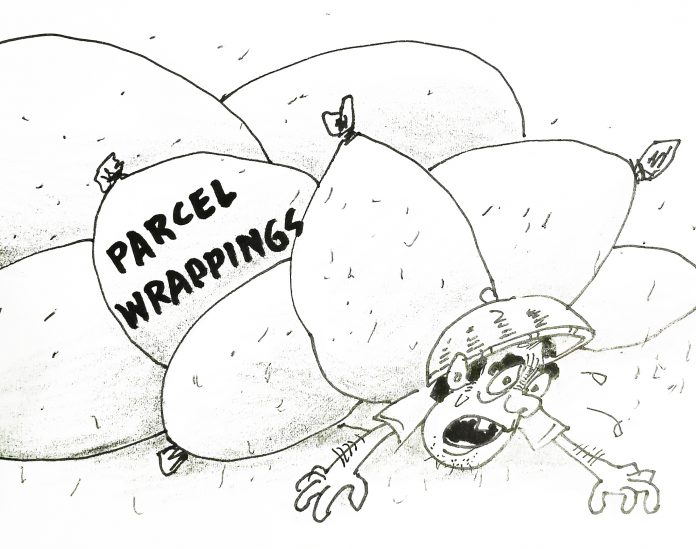
The increasing popularity of online shopping has undoubtedly transformed the way people buy and receive products but with the convenience and efficiency of ordering items online, however, comes with a downside – the packaging of parcels purchased online is causing significant waste and garbage spread.

It can be noted that the packaging of parcels bought online often involves excessive use of materials to ensure the products reach the consumer in perfect condition. The packaging includes boxes, cushioning materials, tapes, and plastic wraps. These materials are not recyclable in most cases, and the amount of waste they produce is alarming. Furthermore, many companies use oversized boxes that are larger than the product’s size, requiring even more packaging materials. As a result, the amount of waste produced is far greater than the actual contents of the parcel.

The increase in the number of households shopping online has led to a surge in waste production. Whereas before, people could reuse and recycle packaging materials from physical stores, people now order more frequently online, leading to the constant production of waste. Despite the measures put in place to improve recycling in many countries, not all consumers recycle these materials. The plastic packaging, in particular, is culminating in a serious waste problem, leading to environmental degradation and pollution.

Alarmingly, the materials used for packaging are not biodegradable. Cardboard boxes can take up to two months to decompose, Styrofoam and bubble wraps can take as much as 500 years. These materials find their way into our natural spaces, where they can harm wildlife and negatively impact the environment. They also end up in the oceans, where they contribute to plastic pollution and endanger the lives of sea animals.

In addition to the environmental impact, the waste resulting from packaging materials affects economies. The waste creates a financial burden on local governments that have to collect, transport, and dispose of the trash, ultimately compelling tax payers to bear the cost of waste management. It also affects cities’ aesthetic beauty as covered streets and overflowing dustbins become the norm.

Amidst the urge to enjoy the convenience and efficiency of online shopping, individuals must act responsibly and adopt measures to reduce, reuse, and recycle packaging materials. Companies can lead the way by employing sustainable packaging options to reduce the waste and help their customers enjoy the products while preserving the environment and creating a more sustainable future.

B/Gen. Calanoga assumes post as E. Visayas top cop

0
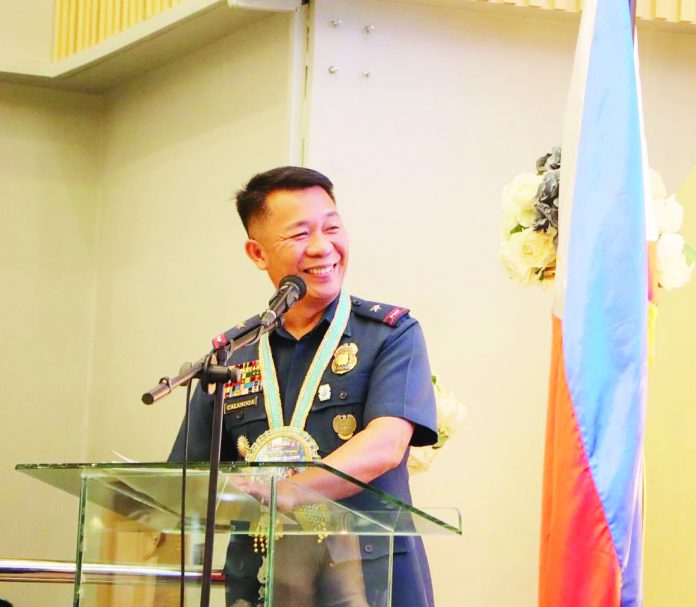
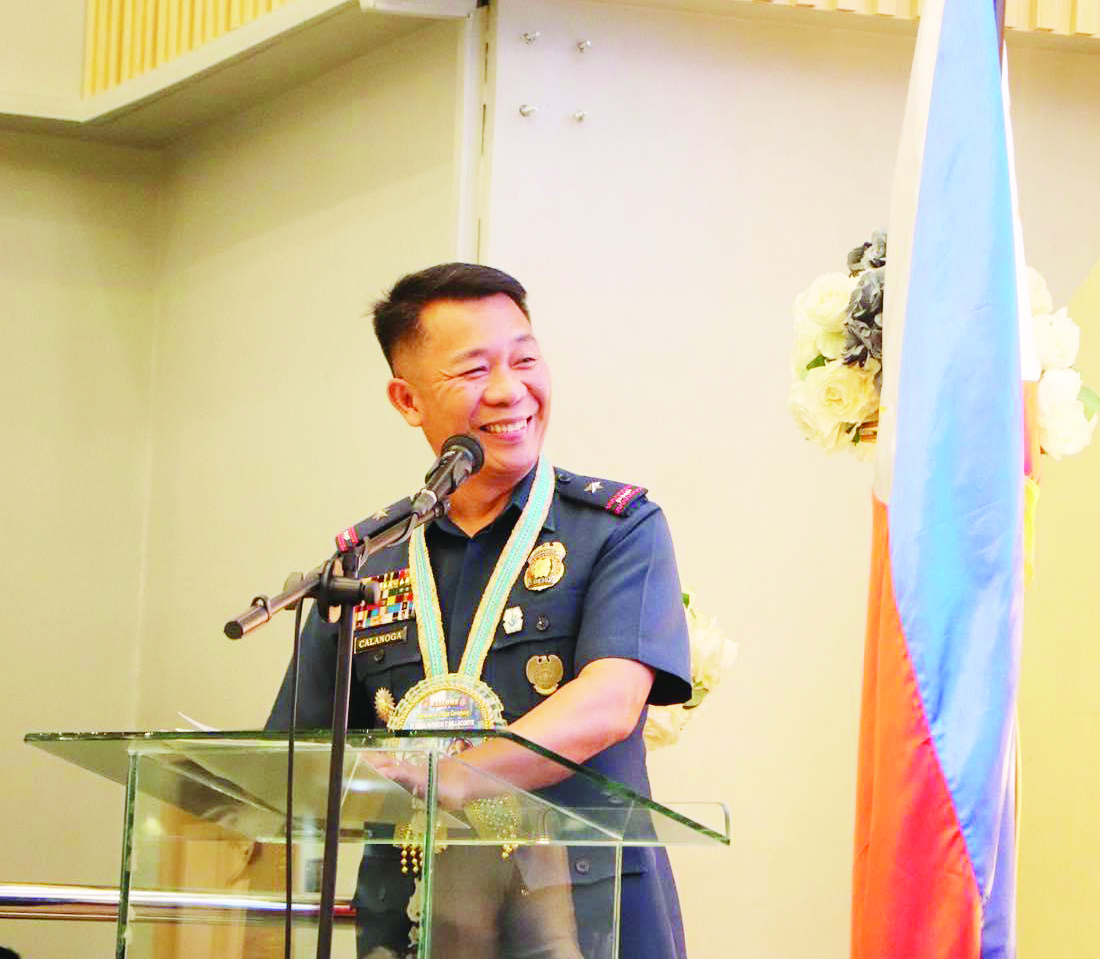
NEW POLICE RD. B/Gen. Vincent Calanoga formally took his post as the new police regional director for Eastern Visayas on Saturday (May 6) during a turnover ceremony. He replaced B/Gen. Francisco Rommel Marbil, who held the post for nine months. (PNP-8)

A human rights advocate

NEW POLICE RD. B/Gen. Vincent Calanoga formally took his post as the new police regional director for Eastern Visayas on Saturday (May 6) during a turnover ceremony. He replaced B/Gen. Francisco Rommel Marbil, who held the post for nine months. (PNP-8)

PALO, Leyte– A human rights defender is the new police director for Eastern Visayas.
B/Gen. Vincent Calanoga assumed his post on Saturday (May 6) during a turnover ceremony at the Camp Ruperto Kangleon, this town, replacing B/Gen. Rommel Francisco Marbil.

Marbil was named as the officer-in-charge of the Directorate for Comptrollership at their national headquarters.

Marbil served as the police regional director for Eastern Visayas for nine months starting August 8, 2022.

Calanoga, prior to his assumption to the region, was the head of the human rights affairs office at their national headquarters.

The new regional police director said that among other thrusts of the police organization, he would continue the campaign of the government against illegal drugs.

He, however, stressed that police officers should ‘at all times’ observe respect for human rights.

“We will continue the campaign on illegal drugs but will make sure that our police officers will respect human rights, especially to our civilians,” he said in an interview after the turnover rites.

He also said that at this time, he does not see any revamp among officials of the police organization in the region until he is able to review their performances.

“There will be no revamping or reshuffling. Kung may nakikita tayong nagkulangan, pwede natin tulugan para mag-improve. Pag hindi mag cope up, then that’s the time na pag-aralan natin kung pwede natin ilipat or submit for training,” Calanoga said.

He said that he is giving the policemen of the region his ‘100 percent trust and confidence’ to perform their sworn duties and responsibilities.

“As police officers, they need no instructions. They are there to perform their mission to promote law enforcement, peace and order, public safety, and internal security,” Calanoga said.

Meantime, Calanoga also vowed to continue all the programs and projects started by his predecessor.

In particular, he will continue to implement the Task Force Maharlika wherein major routes along the Maharlika Highway, stretching from Northern Samar up to Southern Leyte are guarded with police personnel.

The task force aimed to derail any commission of crimes using the said major highway. It was credited for the discovery and recovery of illegal drugs being transported along Maharlika Highway.

Meanwhile B/Gen. Marbil said expressed his gratitude to the policemen and women of the region and the public while he was the police regional director.

The turnover was presided by PLt. Gen.Patrick Villacorte, the commander, Area Police Command for Visayas; Tacloban City Mayor and Regional Peace and Order Council chairman Alfred Romualdez; and Regional Director Arnel Agabe of the Department of Interior and Local Government, among others.

JOEY A. GABIETA/LIZBETH ANN A. ABELLA

Some schools in Baybay City shift to modular learning due to heat wave

0

School in Tacloban to suspend afternoon classes

TACLOBAN CITY– Several schools in Baybay City have resorted to modular learning method due to the heat wave.

Among these schools that shifted to the modular learning method are Mailhi National High School, Higuloan Elementary School, and the Bitanhuan National High School.
Jasmin Calzita, the regional information officer of the Department of Education (DepEd), said that these schools started the said learning method since last week.
About 600 students are enrolled in these three public schools.

However, there could be days that face-to-face classes could still be conducted to be held at the school’s open spaces like a gymnasium.

Calzita said that school heads have the discretion to implement the modular distance learning for some reasons like due to natural calamities ‘to ensure continuity and that learning competencies and objectives are met,’ as mandated under Department Order Number 37.

“And during our recent regional management committee meeting, our schools’ division superintendents have been reminded of D.O. 37. The principal/school heads are also reminded of their authority and responsibility to suspend in-person classes and switch to alternative delivery modes (of learning) amid extreme heat, especially if the situation already puts the students’ health and safety at risk,” she said.

Calzita said that other school divisions of the region have yet to cancel face-to-face classes due to the heat wave.

Meantime, a teacher in one of the public schools in the city, who declined not to be named as she waits for an official pronouncement by their school principal, said that they would change their class schedule due to the current weather condition.

“Classes in all grade levels will now be conducted in the morning. Afternoon classes will be canceled due to our present weather condition which is not conducive to learning,” the teacher, who handles Kindergarten classes, said.

The said new set-up will be implemented next week.

Module distance learning was used by the DepEd when the country was hit by the pandemic of coronavirus disease (COVID-19).

For the past several weeks now, Eastern Visayas have been experiencing heat spells that sometimes reached up to more than 40 Celsius degrees.
(JOEY A. GABIETA)

Recent Posts

DALMACIO C. GRAFIL
PUBLISHER

ALMA GRAFIL
EDITOR-IN-CHIEF

ROMEO CEBREROS
OFFICE IN-CHARGE

OFFICE
BRGY. SONGCO, BORONGAN CITY

CONTACT NUMBERS
(055) 261 – 3319 | 0955 251 1533 | 0917 771 0320 | 0915 897 7439 | 0921 511 0010

DALMACIO C. GRAFIL
PUBLISHER

RICKY J. BAUTISTA
EDITOR

ALMA GRAFIL
BUS. MANAGER

OFFICE
RIZAL AVENUE, CATBALOGAN
(INFRONT OF FIRE DEPARTMENT, NEAR CITY HALL)

CONTACT NUMBERS
0917 771 0320 | 0915 897 7439 | 0921 511 0010

EMAIL
lsdaily2@yahoo.com

WEBSITE
www.issuu.com/samarweeklyexpress