27.9 C
Tacloban City
March 24, 2026 - Tuesday | 11:45 AM
Home Blog Page 1017

PAF celebrates 76 years of excellence, commitment, and service

0

The Philippine Air Force (PAF) celebrated its 76th Founding Anniversary by displaying its air assets with pride and gratitude. The PAF impressed its audience with live demonstrations of Intelligence, Surveillance, and Reconnaissance (ISR) capabilities using the C208 aircraft, Fast Rope Insertion, and Extrication System (FRIES) operations with the S70i Black Hawk helicopters and a hoist rescue operation of a patient using a Huey 2 aircraft. Additionally, the PAF showcased air-to-ground live fire demonstrations with the FA50 PH, A29B Super Tucano, and T129 Atak Helicopters. The formal program began with an impressive high-speed opener exhibition by three FA-50 PH aircraft, followed by a formation flight of T-41 aircraft, forming “76” to honor the PAF’s many years of existence and service. A flyby demonstration featured various types of PAF air and ground assets, such as the FA50PH, T129, C295, C130, PZL W-3A Sokol, S70i, unmanned aerial vehicle (UAV), and Ground Based Air Defense System (GBADS) platforms.

In his speech, President Ferdinand R Marcos Jr., as the Commander-in-Chief, commended the PAF for its selfless service and dedication over the past 76 years. He recognized the rich history and growth of the PAF, from its humble beginnings during the First World War to its present role in securing the nation. The President expressed his gratitude to the PAF personnel for their exemplary dedication and contributions to enhancing the country’s aerial defense capabilities. He emphasized the values of integrity, excellence, and patriotism, urging the PAF to continue upholding them in their mission to protect the nation.

Furthermore, the President assured the PAF of the government’s commitment to strengthening the Armed Forces, including the PAF, through the AFP Modernization Program. Recognizing the challenges ahead, the President emphasized the importance of the PAF’s maritime air patrol missions in upholding territorial integrity and safeguarding Philippine naval zones. He expressed his confidence in the PAF’s ability to soar to greater heights, calling for unity indomitable spirit, and unwavering dedication to protecting the Republic.

Throughout its 76-year journey, the PAF has consistently strived for excellence in fulfilling its mission. Its relentless pursuit of improvement was evident in its continuous investments in cutting-edge technology, advanced infrastructure, and the development of its human resources, ensuring the security of the Philippines and its skies. These strategic endeavors have propelled the PAF’s capability to new heights, resulting in a more robust fleet, state-of-the-art platforms, efficient air bases, and highly trained personnel.

The celebration not only commemorates its rich history but also serves as a reminder of its unwavering commitment to protecting the nation and its skies. (PR)
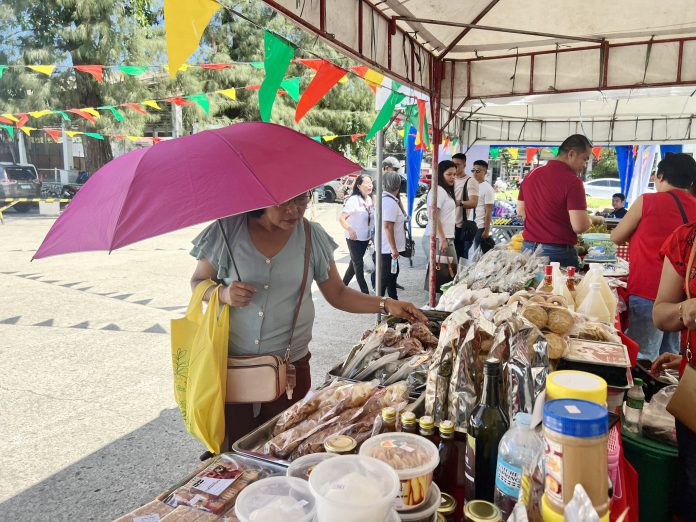
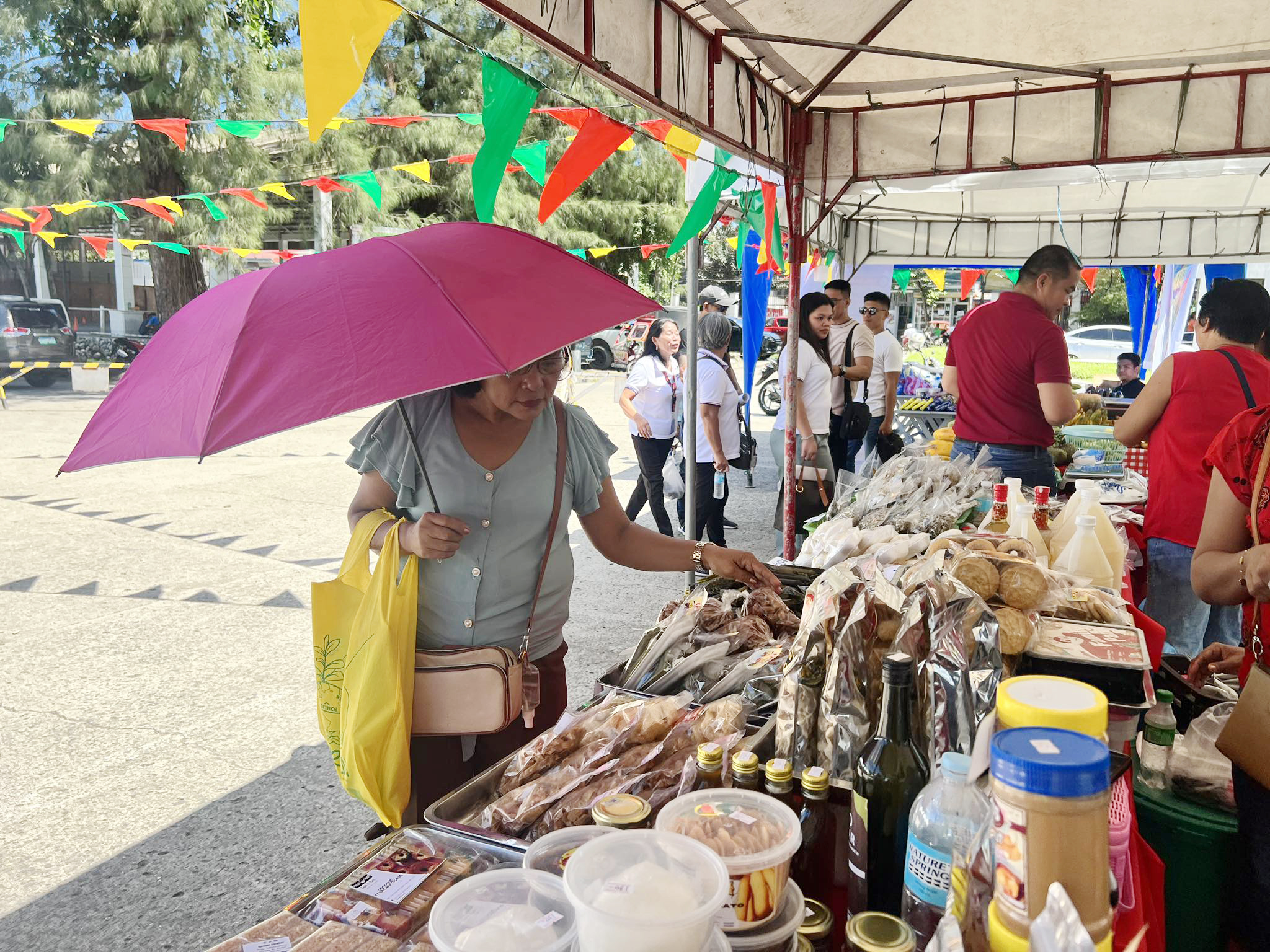
Kadiwa ng Pangulo 2023 launched in Samar

0
KADIWA STORE. The provincial government of Samar under Governor Sharee Ann Tan joined in a simultaneous rollout of the Kadiwa ng Pangulo nationwide on July 17. The Samar Kadiwa center was located at the grounds of the provincial capital building in Catbalogan City. (SAMAR PROVINCIAL INFORMATION OFFICE)
KADIWA STORE. The provincial government of Samar under Governor Sharee Ann Tan joined in a simultaneous rollout of the Kadiwa ng Pangulo nationwide on July 17. The Samar Kadiwa center was located at the grounds of the provincial capital building in Catbalogan City.
(SAMAR PROVINCIAL INFORMATION OFFICE)

TACLOBAN CITY-The province of Samar participated in the nationwide simultaneous launching of Kadiwa ng Pangulo held on July 17 at the provincial capitol grounds in Catbalogan City.

Vice Governor Arnold Tan said that Kadiwa is a great help to the farmers because their products can be sold directly to the community.

He also revealed that Governor Sharee Tan also plans to have a similar program in Sta. Rita to distribute the goods to the consumers of Leyte.

President Ferdinand “Bongbong” Marcos Jr. said that the purpose of Kadiwa is to bring farmers closer to the market or consumers so as to avoid middlemen and added costs and to reduce the price of goods.
(LIZBETH ANN A ABELLA)

DPWH finishes asphalt overlay project along PIMO road

0
DCIM100MEDIADJI_0067.JPG

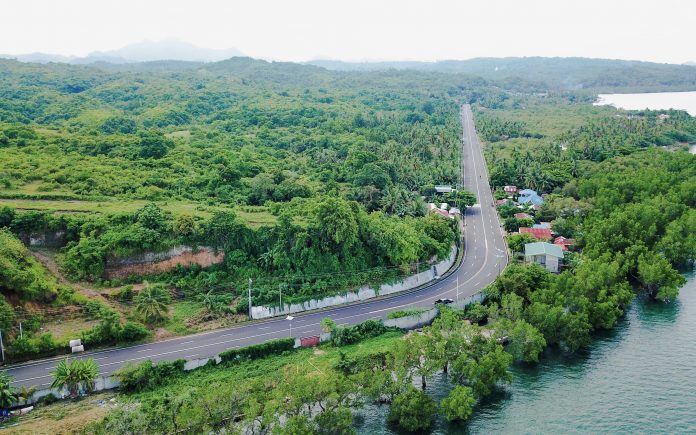
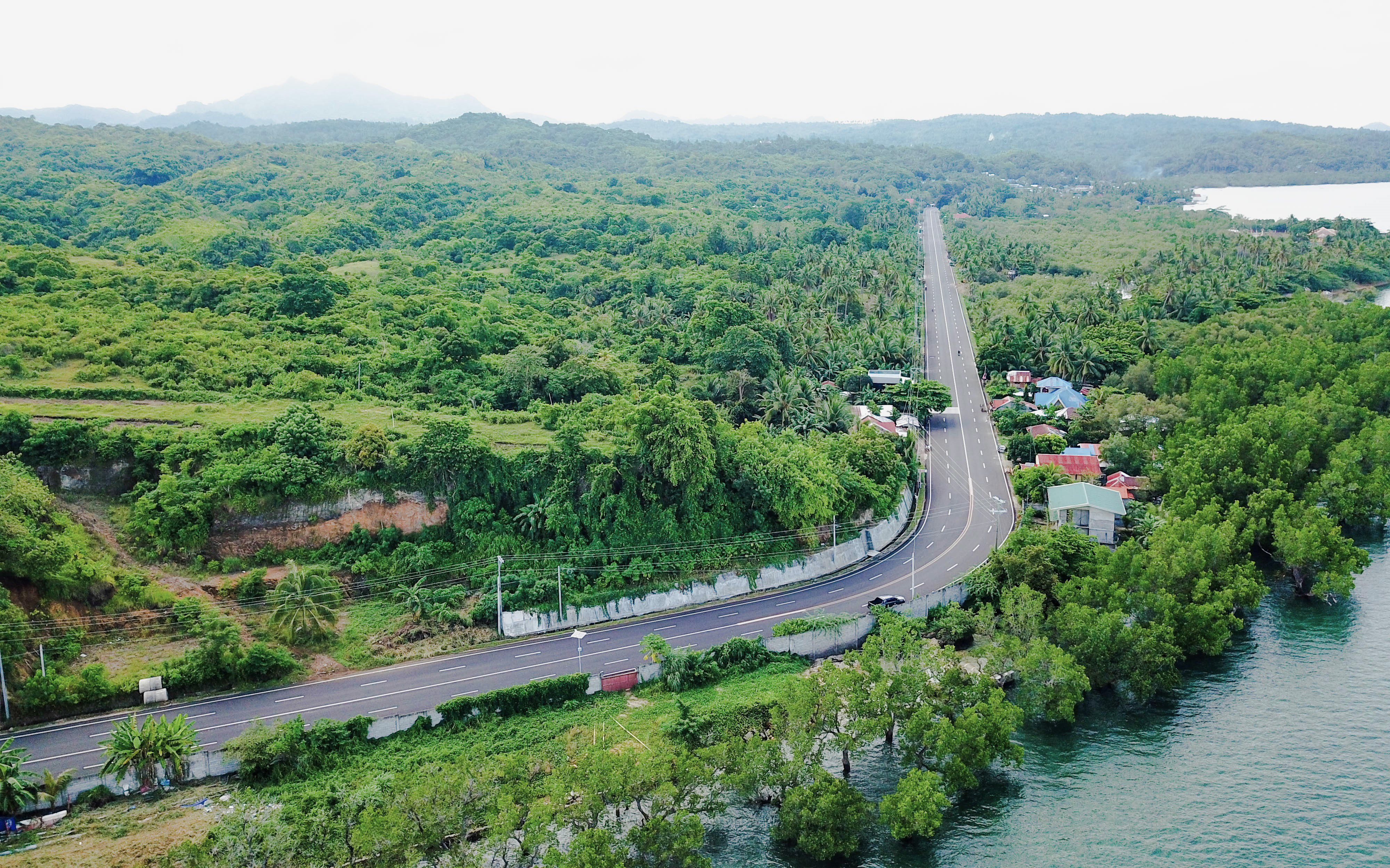
MERIDA, LEYTE – The Department of Public Works and Highways (DPWH) Leyte 4th District Engineering Office (DEO) completes the Preventive Maintenance project along Palompon – Isabel – Merida – Ormoc (PIMO) Road.

DCIM100MEDIADJI_0067.JPG

This endeavor, which involved an asphalt overlay with thermoplastic road markings covering a distance of 1.073 lane kilometers and a width of 14.2 meters, was carried out in Brgy. Libas, Merida, Leyte and amounted to Php 51,482,750.00 funded under the General Appropriations Act (GAA) 2023.

Before the asphalting, motorists like Mr. Roldan Gonzalo had experienced several challenges while traversing the road section as the absence of smooth road surface often resulted in a bumpy ride and during inclement weather, water would accumulate in pools on the road.

With its completion, the road condition has improved remarkably. “Nindot na siya agi-an kay ang sakyanan smooth na kaayo ug dagan (Passing the road is now pleasant because the vehicle runs very smoothly),” stated Mr. Gonzalo. He also noted that the thermoplastic markings have been very helpful since they offer clear navigational guidance especially during nighttime travels.

As motorists continue to traverse PIMO Road, they can now look forward to a significantly enhanced driving experience with a seamless and well-marked road that minimizes the risk of accidents and ensures a safer commute. (PR)

Road construction to connect communities and boost economic growth, says DPWH

0

Connecting Ormoc to Matag-ob

ORMOC CITY– The Department of Public Works and Highways (DPWH) Leyte 4th District Engineering Office (DEO) is currently undertaking the construction of Manlilinao-San Sebastian Road, this city, and Matag-ob, Leyte.

With a contract cost of P96.35 million funded under the General Appropriations Act (GAA) 2023, the project encompasses a length of 3.2 lane kilometers and a total width of 6.10 meters.

The scope of works, which is currently at a 53.59% completion rate, includes earthworks such as excavation and embankment, construction of portland cement concrete pavement (PCCP), and installation of reinforcing steel and structural concrete.

Upon completion, the Manlilinao-San Sebastian Road will not only improve the connectivity between Ormoc City and the town of Matag-ob but it will also greatly contribute to their socio-economic growth.

The enhanced road will stimulate trade and commerce, opening up new opportunities for business and boosting the overall prosperity of the area, the DPWH said.

While this project is progressing, the DEO is also actively engaged in similar road construction projects in other areas within its jurisdiction such as the construction of concrete road in Portobello-Puting Bato Road leading to Mt. Magsanga, Merida as well as the construction of Liberty-Burauen Brgy. Road, Ormoc City to name a few.
(ROBERT DEJON)

World peace, please!

0

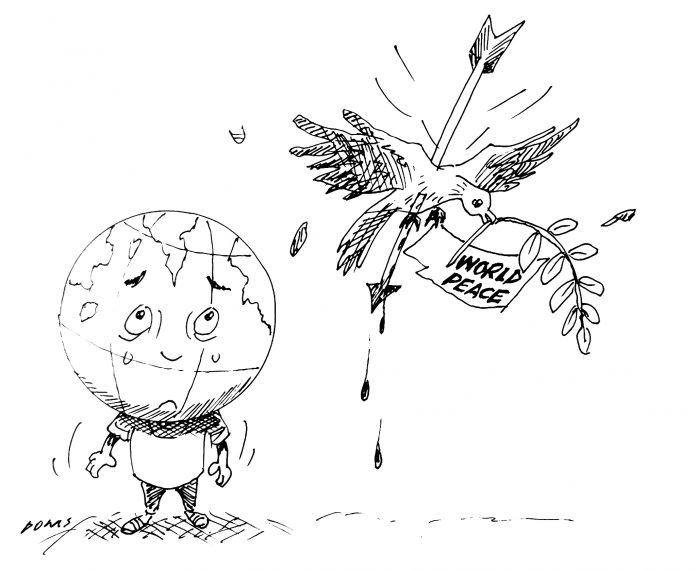
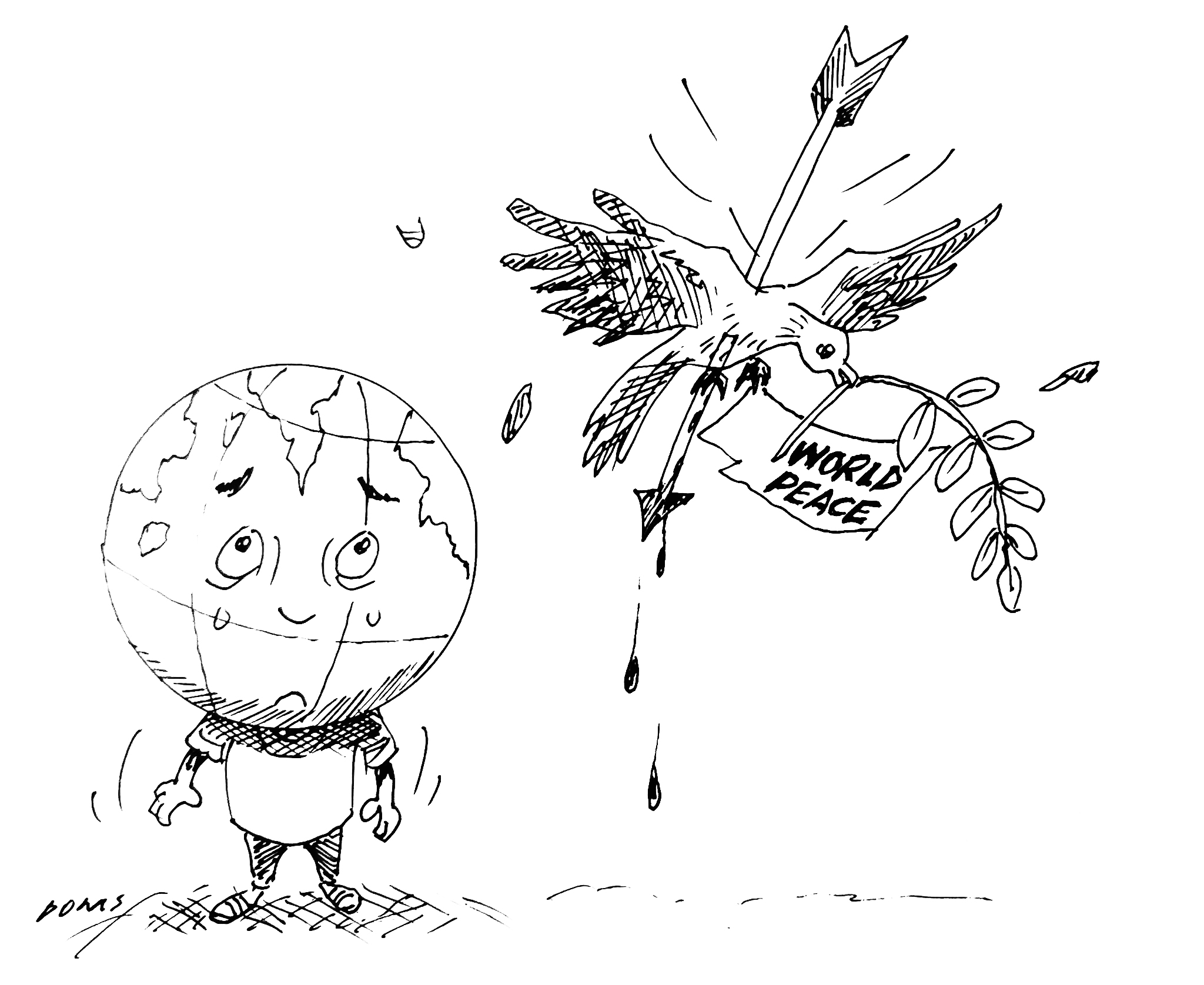
World peace attainment has been an aspiration shared by humanity for generations. As we progress into the 21st century, the urgency for fostering an atmosphere of global harmony becomes increasingly crucial. From socio-economic progress and environmental preservation to political stability and cultural exchange, the importance of world peace spans various domains.

World peace plays a pivotal role in promoting socio-economic development across nations. In an interconnected world, peace fosters stability and encourages cooperation, allowing countries to engage in fruitful economic relations. The absence of armed conflicts and political uncertainties nurtures an atmosphere conducive to trade, investment, and technological exchange, which ultimately drives economic growth and poverty alleviation. Moreover, peace enables the equitable distribution of resources and facilitates the establishment of sustainable development practices, essential for tackling shared global challenges such as poverty, hunger, and inequality.

Environmental conservation and sustainability also hinge on the achievement of world peace. Environmental degradation, climate change, and natural resource depletion pose significant threats to the planet and its inhabitants. Collaborative efforts for conservation, renewable energy, and climate resilience can only be effectively pursued in an environment of peace and international cooperation. By transcending geopolitical boundaries, nations can work together towards the preservation of our planet, ensuring its wellbeing for future generations.

Political stability is another vital aspect that underscores the importance of world peace. Internal conflicts and regional tensions can disrupt governance systems, hinder development, and impede progress towards societal well-being. Conversely, when nations experience peace and stability, governments can focus on addressing social issues, enhancing citizens’ welfare, and promoting democratic values. Peace allows for the creation of effective institutions, the rule of law, and the protection of human rights, enabling individuals to thrive and actively contribute to the betterment of their communities.

World peace, then, is indispensable for fostering progress in various arenas of human existence. Its significance extends far beyond military conflicts and the absence of violence. From promoting socio-economic development and environmental sustainability to ensuring stable governance and cultural exchanges, world peace is essential for shaping a prosperous future on a global scale. It is incumbent upon the international community, policymakers, and individuals to recognize the imperative of peace and work collectively to cultivate compassion, understanding, and dialogue as fundamental pillars of a harmonious world.

Disaster Aftermaths

0
DOMS PAGLIAWAN
DOMS PAGLIAWAN

Our country, once again, is just fresh from another typhoon. The aftermath of which, or of any disaster, is a critical and challenging period that often poses a wide range of woes for affected communities. Understanding these common woes is crucial for policymakers, aid agencies, and communities to develop effective strategies and responses to alleviate their impact and facilitate long-term recovery.

One of the most evident consequences of disasters is the destruction of infrastructure, including buildings, roads, bridges, and utilities. The damage to critical infrastructure poses significant challenges to recovery efforts, hindering access to basic services and disrupting transportation networks. Rebuilding infrastructure becomes crucial to restoring normalcy and enabling effective emergency response and recovery operations.

Disasters often result in the disruption of livelihoods, causing immense economic hardships for affected individuals and communities. Business closures, job losses, destroyed agricultural lands, and interrupted supply chains contribute to financial instability. Re-establishing employment opportunities, supporting local businesses, and promoting sustainable economic recovery are essential for rebuilding the affected areas.

In disaster aftermaths, public health risks escalate due to damaged healthcare facilities, contaminated water sources, inadequate sanitation systems, and the prevalence of diseases. Outbreaks of waterborne, respiratory, and vector-borne diseases pose immediate threats to survivors. Ensuring timely access to medical care, clean water, sanitation facilities, and implementing disease prevention measures are paramount to safeguarding public health in the aftermath of disasters.

Resource scarcity commonly emerges as a pressing issue after disasters. Limited access to food, water, shelter, and other essential supplies exacerbates the suffering of affected populations. Shortages are often accompanied by price inflation and competition, leading to increased vulnerability. Coordinated efforts to distribute resources equitably and efficiently are crucial to meet the immediate needs of communities.

Disasters have profound psychological effects, leaving survivors susceptible to various mental health challenges such as post-traumatic stress disorder, anxiety, and depression. The loss of loved ones, destruction of homes, and prolonged distress can trigger significant psychological trauma. The provision of psychosocial support services, including counseling and mentorship, is vital for addressing the emotional well-being and resilience of disaster survivors.

The economic repercussions of disasters are far-reaching and long-lasting. Apart from immediate losses, long-term economic impacts may include reduced local productivity, decreased foreign investments, increased public debt burdens, and disrupted markets. Developing effective mechanisms to mitigate these impacts, such as implementing fiscal policies and offering financial assistance to rebuild and stimulate economic growth, becomes critical for recovery.

The efficient distribution of aid resources in disaster-stricken areas presents a significant challenge due to logistical constraints, inadequate coordination, and limited capacity of local authorities. Delays or misallocation of resources can exacerbate existing vulnerabilities and inequalities. Enhancing coordination between aid agencies, community leaders, and local authorities, while prioritizing transparency and accountability, is crucial to ensuring effective and equitable aid distribution.

Disaster aftermaths bring forth a myriad of common woes, ranging from infrastructure damage to psychosocial trauma, which, if not addressed effectively, can hinder long-term recovery. Identifying and comprehending these challenges enables policymakers, aid agencies, and communities to develop targeted approaches that prioritize immediate relief, sustainable recovery, and resilience-building. By doing so, we can begin to alleviate the suffering and foster lasting positive change in the aftermath of disasters.

Recent Posts

DALMACIO C. GRAFIL
PUBLISHER

ALMA GRAFIL
EDITOR-IN-CHIEF

ROMEO CEBREROS
OFFICE IN-CHARGE

OFFICE
BRGY. SONGCO, BORONGAN CITY

CONTACT NUMBERS
(055) 261 – 3319 | 0955 251 1533 | 0917 771 0320 | 0915 897 7439 | 0921 511 0010

DALMACIO C. GRAFIL
PUBLISHER

RICKY J. BAUTISTA
EDITOR

ALMA GRAFIL
BUS. MANAGER

OFFICE
RIZAL AVENUE, CATBALOGAN
(INFRONT OF FIRE DEPARTMENT, NEAR CITY HALL)

CONTACT NUMBERS
0917 771 0320 | 0915 897 7439 | 0921 511 0010

EMAIL
lsdaily2@yahoo.com

WEBSITE
www.issuu.com/samarweeklyexpress