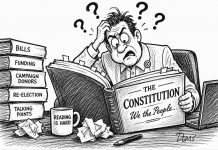
When asked about employee evaluations, many people picture annual meetings filled with awkward silences, generic feedback, and discussions focused solely on pay raises. But when done well, employee evaluation is far more than a routine HR requirement – it’s a powerful tool that strengthens teams, drives performance, and aligns individual growth with organizational goals. In today’s competitive business landscape, effective evaluation processes are not just important – they’re essential for building a skilled, engaged, and adaptable workforce.
Employee Evaluation Drives Clear Alignment and Focus
One of the most important roles of evaluation is ensuring every team member understands exactly what’s expected of them and how their work contributes to the bigger picture. Without regular feedback and clarification, employees may drift from priorities, duplicate efforts, or pursue goals that don’t align with the organization’s needs.
Key Benefits:
– Clarifies expectations: Evaluations provide structured opportunities to review job responsibilities, set measurable goals, and define success metrics. This clarity helps employees focus their energy on what truly matters.
– Aligns individual and organizational goals: During evaluations, managers can connect each employee’s work to team and company objectives. For example, a sales representative might learn how their target contributes to the organization’s expansion plans, while a designer might understand how their work impacts customer retention.
– Reduces ambiguity: Regular check-ins prevent misunderstandings about performance standards, career paths, and growth opportunities. Employees who know where they stand are more confident and motivated to perform their best.
When everyone is aligned on what needs to be achieved, organizations operate more efficiently and are better positioned to meet their targets.
It Fosters Continuous Learning and Development
In fast-changing industries, employees must constantly update their skills to keep pace with new technologies, market trends, and customer expectations. Employee evaluation provides a structured framework for identifying skill gaps, planning development opportunities, and supporting long-term career growth.
Key Benefits:
– Identifies strengths and areas for improvement: Evaluations help employees understand what they do well and where they can grow. This insight enables targeted development – whether through training, mentorship, or new project assignments.
– Supports career progression: By discussing long-term goals and mapping out development paths, evaluations help employees see a future within the organization. This not only builds loyalty but also ensures the company has a pipeline of skilled talent ready for leadership roles.
– Encourages continuous improvement: Regular feedback creates a culture where learning is valued and growth is expected. Employees become more proactive about seeking out opportunities to develop their skills and contribute more effectively.
Organizations that invest in employee development through thoughtful evaluations are more likely to retain top talent and stay ahead of industry changes.
Effective Evaluation Boosts Engagement and Retention
Employees who feel seen, heard, and valued are more engaged, productive, and likely to stay with their organization. Evaluation processes that prioritize meaningful feedback and two-way communication play a critical role in building this sense of value.
Key Benefits:
– Recognizes achievements: Evaluations provide dedicated time to celebrate successes, acknowledge hard work, and highlight contributions that might otherwise go unnoticed. This recognition boosts morale and motivates employees to continue performing at a high level.
– Builds trust and transparency: When evaluations are fair, consistent, and based on clear criteria, they help build trust between managers and employees. Regular communication reduces anxiety about performance and creates a safe space for discussing challenges and concerns.
– Reduces turnover: Employees who receive regular feedback and see opportunities for growth are less likely to look for opportunities elsewhere. Studies consistently show that lack of feedback and development opportunities are top reasons why employees leave their jobs.
A positive evaluation experience can turn engaged employees into loyal advocates for the organization.
It Provides Valuable Data for Organizational Improvement
Beyond benefiting individual employees, evaluation processes generate data that can inform critical business decisions. Aggregated feedback and performance metrics reveal trends, strengths, and areas where the organization can improve.
Key Benefits:
– Identifies training needs: By analyzing evaluation data across teams, organizations can identify common skill gaps and design targeted training programs that benefit the entire workforce.- Improves processes and systems: Feedback from employees often reveals issues with workflows, tools, or support structures that hinder performance. This insight enables managers to make changes that boost efficiency and productivity.
– Guides strategic planning: Performance data helps leaders understand which teams or initiatives are excelling and where resources may need to be reallocated. It also provides insights into future talent needs and organizational capabilities.
When used strategically, evaluation data becomes a powerful tool for driving organizational growth and improvement.
Evaluation Strengthens Manager-Employee Relationships
The evaluation process is more than a formal review – it’s an opportunity to build stronger, more collaborative relationships between managers and their teams. Regular, meaningful conversations about performance and growth create a foundation of trust and mutual respect.
Key Benefits:
– Improves communication: Evaluations encourage regular, structured dialogue between managers and employees. This ongoing communication helps prevent misunderstandings and ensures issues are addressed before they become problems.
– Develops leadership skills: Conducting effective evaluations helps managers build skills in coaching, feedback, and goal-setting – capabilities that are critical for leading high-performing teams.
– Creates a supportive environment: When managers take the time to understand their employees’ goals, challenges, and aspirations, they can provide better support and create a work environment where people feel empowered to succeed.
Strong manager-employee relationships are the backbone of a healthy, high-performing organization.
Moving Beyond the Annual Review
While traditional annual evaluations have their place, the most effective processes include regular check-ins, ongoing feedback, and flexible goal-setting that adapts to changing circumstances. By shifting from a one-time event to a continuous conversation, organizations can make evaluation a meaningful part of their culture – not just a box to be checked.
When done right, employee evaluation connects individual success to organizational achievement, supports growth and development, and builds the strong, engaged workforce that every successful organization needs. It’s not just about assessing performance – it’s about investing in the people who drive your business forward.
————–
If you have any questions or would like to share your thoughts on the column, feel free to send an email to jca.bblueprint@gmail.com. Looking forward to connecting with you!