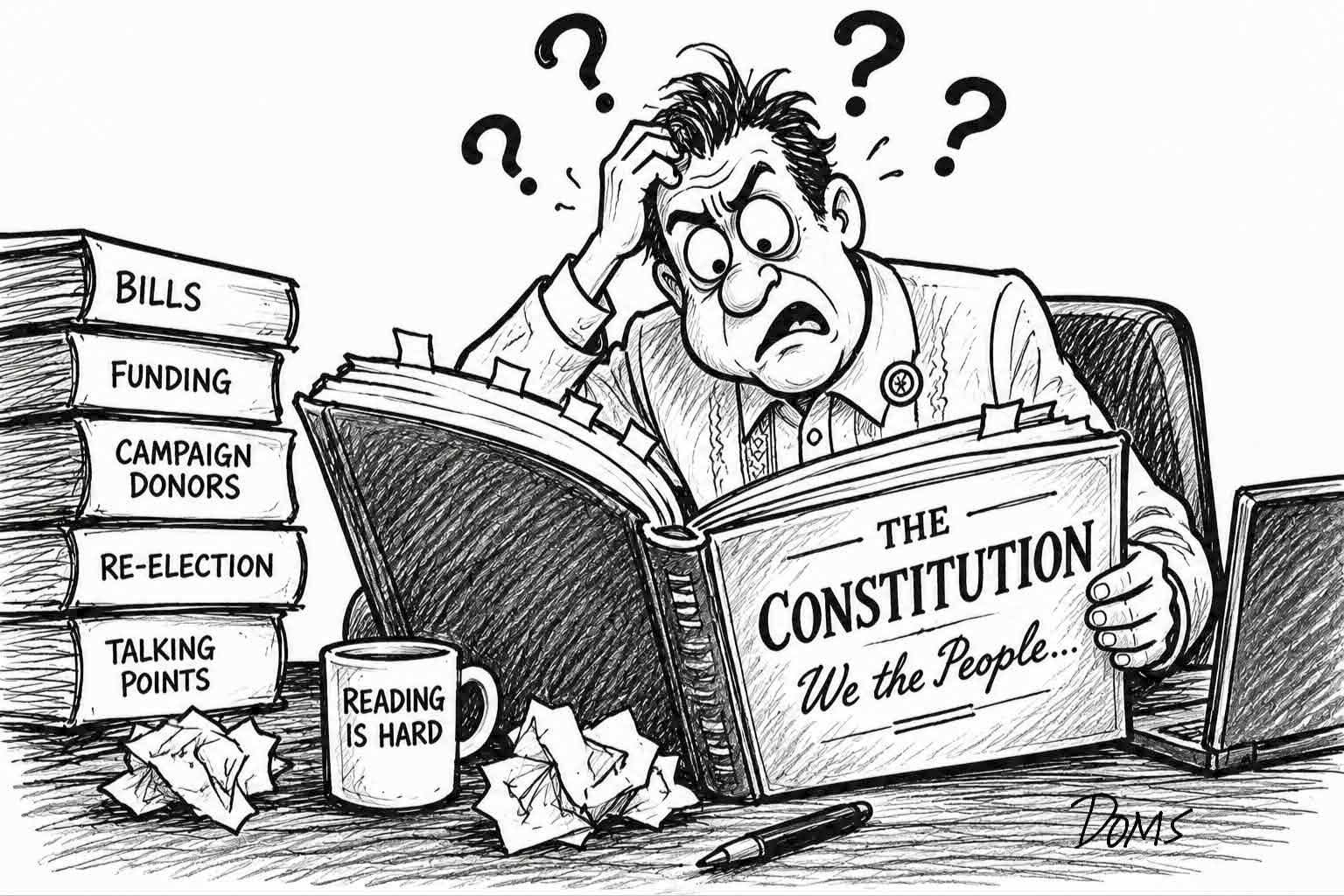
As the country prepares for the 2028 elections, hopefully, this is something that should be taken into account. Electing non-lawyers who lack the competence to make laws is a serious failure of political judgment. Political popularity is no substitute for legislative fitness. A country should reject the acceptance of unprepared lawmakers as a normal condition of democracy.
Making laws requires more than proposing measures that sound attractive during a campaign. Legislators must understand what their proposals authorize, prohibit, fund, and punish, and how those proposals affect existing obligations and individual rights. Careless wording can create enforcement uncertainty, impose unreasonable burdens, or permit abuses the public never intended to approve. Legal advisers provide necessary assistance, but elected officials must be able to question their advice and explain the measures they support. Voting on a bill without understanding its consequences abandons responsibility.
Yet the absence of a law degree is not, by itself, proof of unfitness. Teachers, farmers, physicians, workers, and business owners can bring knowledge that legislation needs, while lawyers can misuse their training to defend partisan interests. The proper distinction is between lawmakers who prepare themselves for their duties and those who assume that winning an election makes preparation unnecessary. A non-lawyer who studies carefully, consults widely, and respects sound evidence may serve the public better than a lawyer who knowingly excuses wrongdoing. The tragedy lies in ignorance protected by power, especially when its holders refuse to learn.
Political selection becomes destructive when parties and voters reward fame, family connections, campaign spending, or personal loyalty while neglecting competence. Such priorities weaken the incentive to master legislative work and strengthen the expectation that elected officials should simply follow political instructions. A representative who cannot independently assess a proposal becomes dependent on whoever explains it. That dependence allows party leaders, influential donors, or private interests to exercise power without accepting the representative’s public accountability. Citizens deserve lawmakers who can defend their decisions with reasons that withstand scrutiny.
We must demand preparation, independent judgment, and a public record of responsible work from every candidate, regardless of profession. Parties should scrutinize legislative ability before offering nominations, and voters should insist on substantive debates rather than accept campaign entertainment as proof of qualification. Legislatures should provide rigorous continuing instruction, reliable research support, and meaningful public scrutiny of proposed measures. Every lawmaker must understand and justify each consequential vote. Electoral victory grants authority to serve; it does not excuse incompetence.