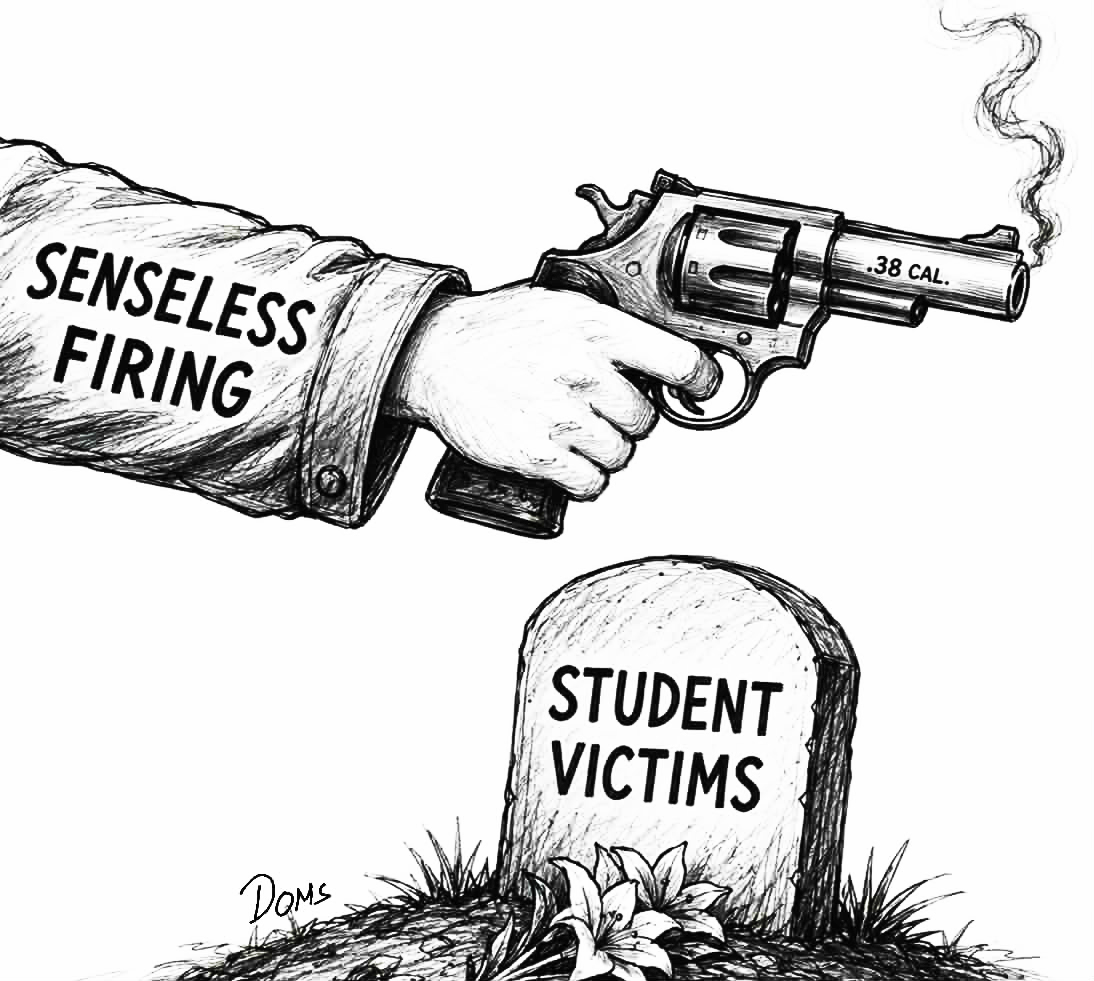
Tacloban City is once again in the world’s headlines, this time not because of a natural disaster but because of a far more disturbing human tragedy. The shooting at San Jose National High School that left three students dead and several others wounded is a grim warning that something is deeply broken in society. This cannot be treated as an isolated act of madness and then forgotten after the noise fades.
What happened inside the walls of a school, a place meant for learning and safety, raises questions that go beyond crime itself. Two minors pulling triggers against fellow students is not a simple story of anger or revenge. It speaks of layers of failure—at home, in the community, in institutions, and in the moral fabric that shapes young minds. Violence of this kind does not grow overnight. It is often planted by neglect, watered by broken guidance, and fed by an environment where hatred, abuse, or dangerous influences are left unchecked.
Parents must now face a painful truth: raising children is no longer just about feeding them, clothing them, and sending them to school. It means knowing their struggles, their company, their habits, and even the darkness they may be carrying inside. Schools, on the other hand, must revisit how they detect warning signs among students. Bullying, mental instability, gang influence, and exposure to violent content are not small matters. They are warning bells. When ignored, they can explode into bloodshed. Lawmakers, too, must stop treating youth violence as a seasonal issue and begin crafting stronger measures on mental health intervention, school security, and substance control.
Law enforcers have the duty to dig deep and uncover every truth behind this case, whether drugs, alcohol, criminal influence, or personal vendetta played a role. But the burden does not stop with them. Even those who bend the law—those who normalize vice, glorify violence, and poison communities with illegal substances—must be held accountable because they are part of the chain that breeds such horrors. Some will speak of spiritual decay, and perhaps they are not entirely wrong. When young lives are consumed by hatred strong enough to kill, it reflects not only social collapse but a serious moral collapse as well.
Justice must be swift, fair, and complete. The families of the dead deserve more than condolences; they deserve support, answers, and assurance that their children did not die in vain. The wounded and traumatized must receive long-term care, not temporary attention. Above all, this nation must learn from this tragedy and act with urgency, because if this can happen in Tacloban today, it can happen anywhere tomorrow. Silence, denial, and weak action will only prepare the ground for the next funeral.