TACLOBAN CITY — The Department of Science and Technology (DOST) regional office is evaluating the potential of a natural hot spring in Calbayog City as a possible site for an innovative geothermal-assisted food processing facility aimed at improving post-harvest preservation for local farmers and fisherfolk.
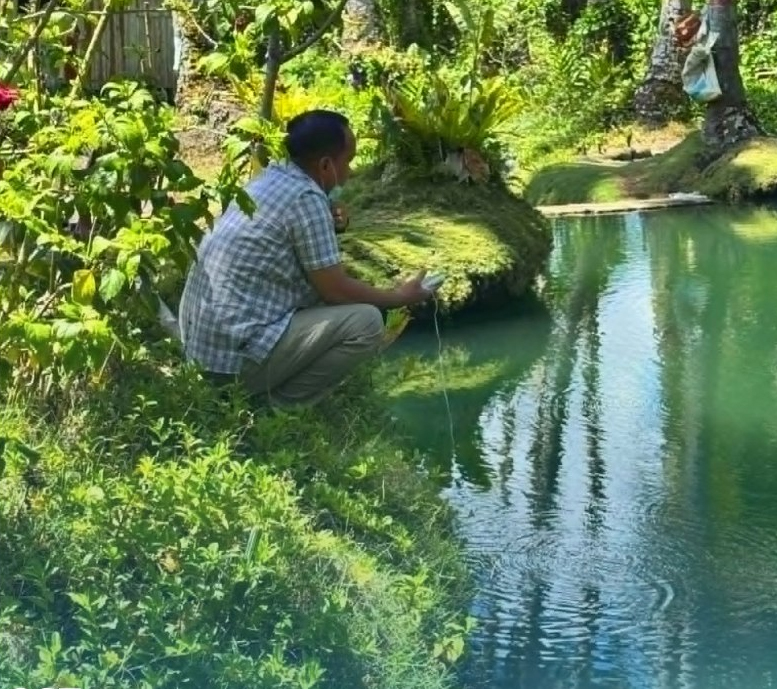
The DOST-8, through its Samar Provincial Science and Technology Office (PSTO), recently conducted a technical site assessment at the Mapaso Hot Spring in Barangay Rizal II, Calbayog City, in coordination with the local government unit.
The assessment seeks to determine the suitability of the area for the installation of a Solarized Hydrothermal Dehydrator, a technology developed by DOST that utilizes geothermal heat from natural sources such as hot springs to dry agricultural and fishery products.
By integrating hydrothermal energy with solar support, the system is designed to reduce dependence on fuel- or electricity-powered drying methods, offering a more sustainable and cost-efficient alternative for rural communities. It also promotes cleaner production practices by tapping renewable heat sources available in the environment.
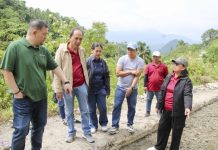
The evaluation team, led by DOST Samar Provincial Director Evelyn Bacarra-Tablante and Senior Science Research Specialist Engr. Joseph Albert Lledo, examined key factors such as the stability and temperature of the thermal resource, site accessibility, and proximity to farming and fishing communities that would benefit from the technology.
They also assessed how the equipment could be integrated into the existing landscape of the area.
According to DOST Samar, if the site is deemed suitable, the project could help strengthen post-harvest systems in Calbayog’s rural communities by improving product quality, reducing spoilage, and enhancing overall productivity in the agricultural and fisheries sectors.
(ROEL T. AMAZONA)