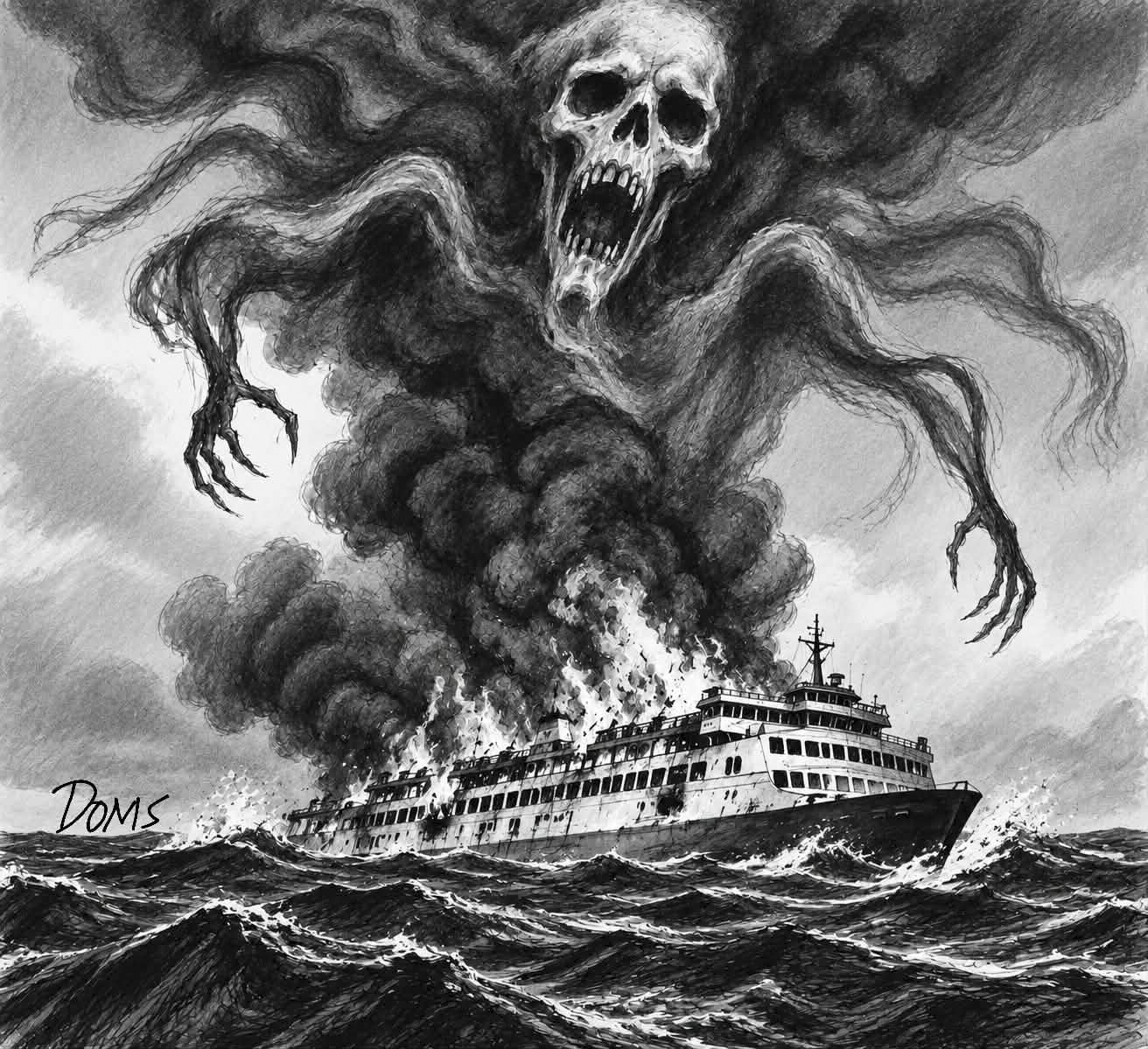
The ferry fire that killed at least 76 people demands more than mourning and another routine investigation. Such a heavy loss of life exposes a grave failure of maritime safety and emergency preparedness. Authorities must identify those responsible, prosecute them, and prevent them from putting passengers at risk again.
The speed at which the flames reportedly spread raises serious questions about the vessel’s condition, its cargo, and its compliance with fire-safety requirements. Investigators must determine whether hazardous materials were improperly stored, whether firefighting equipment was functional, and whether exits were accessible. Investigators must also examine the possible role of a tarpaulin in trapping smoke or passengers, but it must not be used to distract from broader safety failures.
Survivors said there was hardly enough time to secure life jackets. Authorities must establish whether the captain sounded the alarm, gave clear instructions, and directed the crew to assist passengers. Reports that the surviving captain was not listed among those rescued make his immediate appearance before investigators essential, since command carries legal and moral responsibility during an emergency.
This tragedy also indicts a regulatory system that too often becomes strict only after bodies have been recovered. Vessel inspections mean little when certificates are issued without thorough examination or when violations carry penalties too weak to compel compliance. The government must determine whether the ferry was seaworthy, properly staffed, within its passenger and cargo limits, and genuinely prepared for a fire at sea.
The investigation must be independent, transparent, and followed by criminal and administrative cases wherever the evidence warrants. All passenger vessels should undergo immediate fire-safety audits, and crews must undergo verified emergency drills under clear accountability rules. Seventy-six deaths cannot be filed away as another unfortunate sea accident; they must compel the state to end negligence before another voyage becomes a funeral.