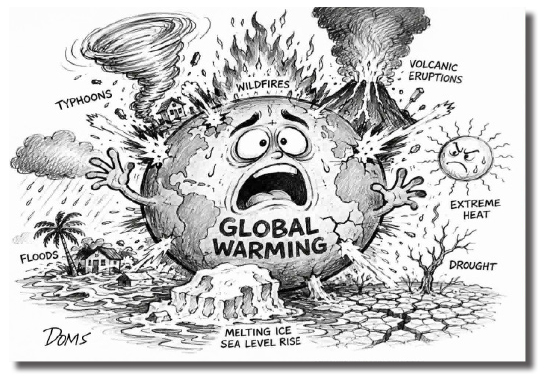
The catastrophic flood along the Nepal–Tibet border is another grave warning from a rapidly warming planet. Climate change is increasing glacier instability and exposing mountain communities to deadlier hazards. Governments must treat this danger as an immediate public-safety crisis.
On August 26, a large section of a glacier collapsed from an altitude of about 5,200 meters, carrying ice, rock, and debris into the valley below. The resulting torrent rushed through rivers crossing Tibet and Nepal, destroying settlements, roads, bridges, and power facilities. At least 160 deaths had been reported by August 27, while hundreds remained missing and rescue operations continued. Associated Press and Reuters reported the continuing devastation.
Early reports described a magnitude 4.4 earthquake shortly before the flood, but later analysis by the United States Geological Survey indicated that the recorded seismic energy was caused by the glacier collapse and debris flow itself. That distinction is important: it remains premature to declare an earthquake the cause. Investigators must still determine the complete sequence of events, including the possible roles of high temperatures, melting ice, unstable rock, and the formation and failure of temporary natural dams.
Climate change cannot be carelessly presented as the sole proven cause of one disaster before scientific investigation is complete. Still, the larger danger is firmly established. Rising temperatures are accelerating the loss of Himalayan ice, weakening frozen slopes, expanding glacial lakes, and increasing the possibility of avalanches and sudden floods. Communities downstream may receive only minutes of warning before water, mud, and boulders descend with crushing force. The Nepal–Tibet tragedy shows what happens when a climate hazard meets populated valleys and vulnerable infrastructure.
Countries sharing the Hindu Kush Himalayan region must expand satellite monitoring, river sensors, glacial-lake inspections, hazard mapping, evacuation routes, and cross-border warning systems. Hydropower plants, bridges, roads, and settlements must also be planned according to updated climate and geological risks rather than outdated assumptions. Major polluting nations must reduce emissions and provide adequate climate finance to vulnerable countries that contributed little to global warming but face its harshest consequences. The dead must not become another set of statistics remembered briefly and forgotten until the next mountain collapses.