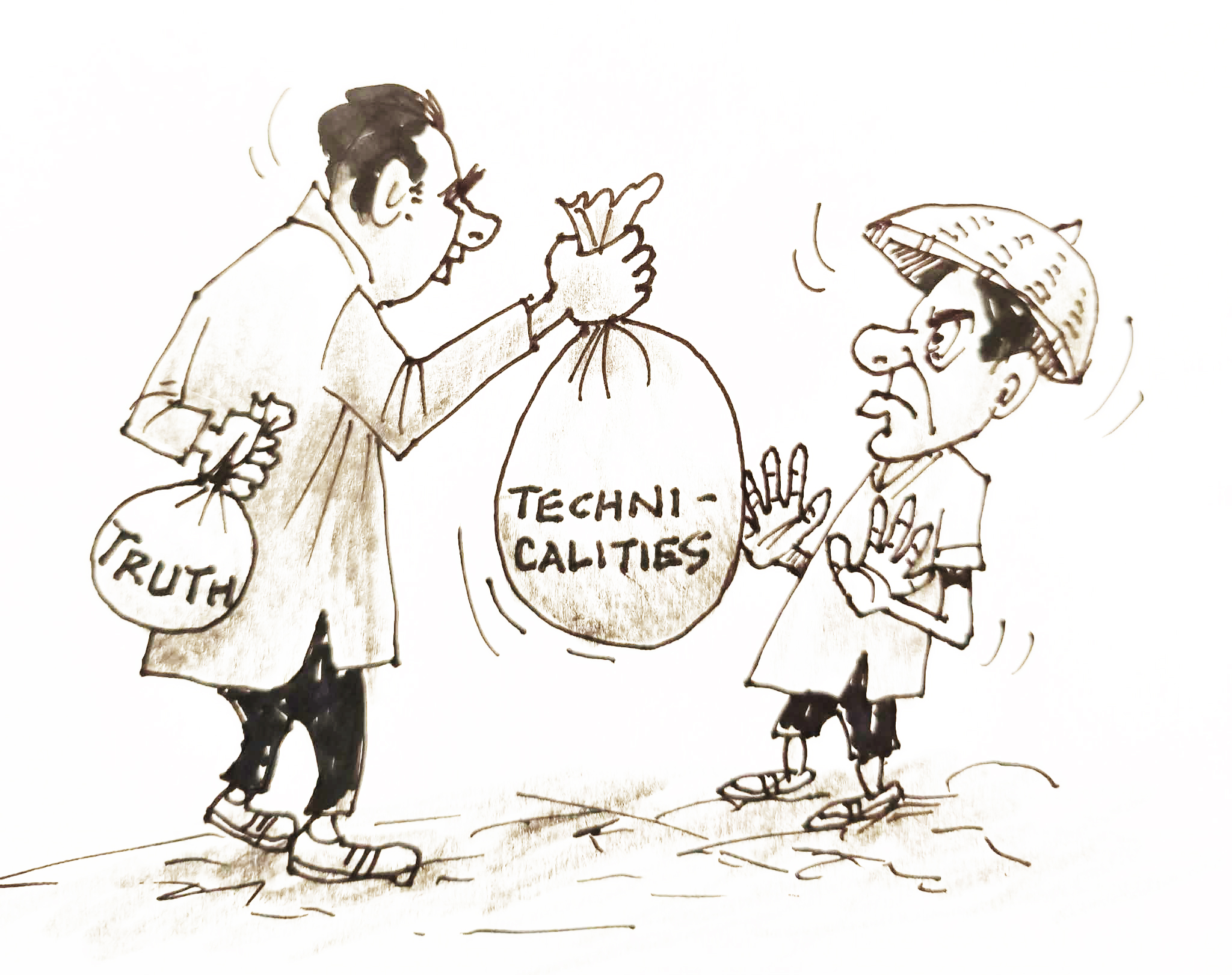
The moment the former Marines came out in the open with their claims of firsthand knowledge of the extent of corruption in the government, the state’s instinct was to attack the messengers rather than the message. This is indefensible and very troubling, as it shifts attention from the alleged wrongdoing to distractions.
Rather than addressing the substance of the claims, the accused, including some superiors from the AFP, quickly moved to question the complainants’ character, service, and professional integrity. This is all too familiar and too calculated. It is the state’s way of discrediting the accuser, which makes the accusation itself easy to dismiss. It makes no difference whether the whistleblowers are heroes or flawed individuals. What makes no sense is the state’s decision to assassinate the complainants’ character rather than pursue the truth.
The complainants, it must be noted, have been consistent and clear on one thing. They claimed they were working for Zaldy Co and were ordered to deliver bundles of cash to certain government officials, although intermediaries may have received them. This is the substance of the accusation, which is verifiable or falsifiable. It is about logistics, intermediaries, and money flow. However, this has been met not with dismissal or refutation, but with dismissal on the grounds of the complainants’ own lack of credibility.
The public interest does not depend upon these individuals being good soldiers or simply regular members of the Philippine Marine Corps. The public is not asking for an audit of the whistleblowers’ resumes. What the public is asking for is an explanation of where public funds went and to whom they went. Billions of pesos do not disappear due to clerical errors, nor do they reappear due to press releases assailing former subordinates. When the focus is on the technicalities, the main issue—where the public funds went and to whom—remains unanswered.
The appropriate response is not anger or denial, but an explanation for the public. The appropriate response does not silence the accusers, nor does it use technicalities to shield oneself from the accusations leveled against them. The appropriate response seeks the truth through transparency and scrutiny.