TACLOBAN CITY — Department of Social Welfare and Development (DSWD) Secretary Rex Gatchalian assured that the two minors implicated in the June 22 school shooting in Tacloban City will remain under government custody at a DSWD rehabilitation facility, with the 15-year-old continuing to serve a suspended sentence there if convicted, while the 14-year-old will also stay at the same center under an intervention program.
Gatchalian, in an interview, explained that the two minors will be handled in accordance with the Juvenile Justice and Welfare Act through age-appropriate interventions, emphasizing that the law does not exempt them from accountability.
“For the 15-year-old, who is above the minimum age of criminal responsibility and has been assessed to have acted with discernment—subject to the court’s confirmation—there is criminal liability. In most cases involving children below 18, if found guilty, the sentence is suspended. The child will remain in our Regional Rehabilitation Center for Youth (RRCY), where an individualized diversion and rehabilitation plan will be implemented,” Gatchalian said.
The DSWD chief clarified that the suspended sentence does not mean immediate freedom. Instead, the minor will continue to stay at the rehabilitation center while undergoing rehabilitation, with social workers regularly evaluating the child’s progress and submitting reports to the court.
“If, upon reaching the age of majority, the court determines that the child has not been successfully rehabilitated, the suspended sentence may be enforced and the individual may then be committed to prison,” Gatchalian explained.
The 14-year-old suspect, although below the minimum age of criminal responsibility, will likewise remain under DSWD custody and will not be allowed to return to the community.
“Even if the 14-year-old has no criminal liability under the law, the child will no longer return to the community. For both the child’s safety and the safety of the community, the child will remain under our custody,” Gatchalian said.
He added that the younger suspect’s stay at the rehabilitation facility will depend on the intervention plan crafted by DSWD social workers and the case manager. If assessments show little or no progress, the child may continue residing at the center.
“That will depend on the intervention plan and the assessment of our social workers. If they determine there has been no improvement, we have cases where children continue to stay in our care. It is similar to being placed in secure custody, but in a Bahay Pag-asa or Regional Rehabilitation Center for Youth. Their lives will no longer be normal—they will no longer be in their communities because they are now under our custody and rehabilitation,” he said.
Gatchalian emphasized that both the DSWD-operated RRCY and local government-run Bahay Pag-asa facilities are designed to provide an age-appropriate environment consistent with the Juvenile Justice and Welfare Act and the country’s international commitments on the rights of children in conflict with the law.
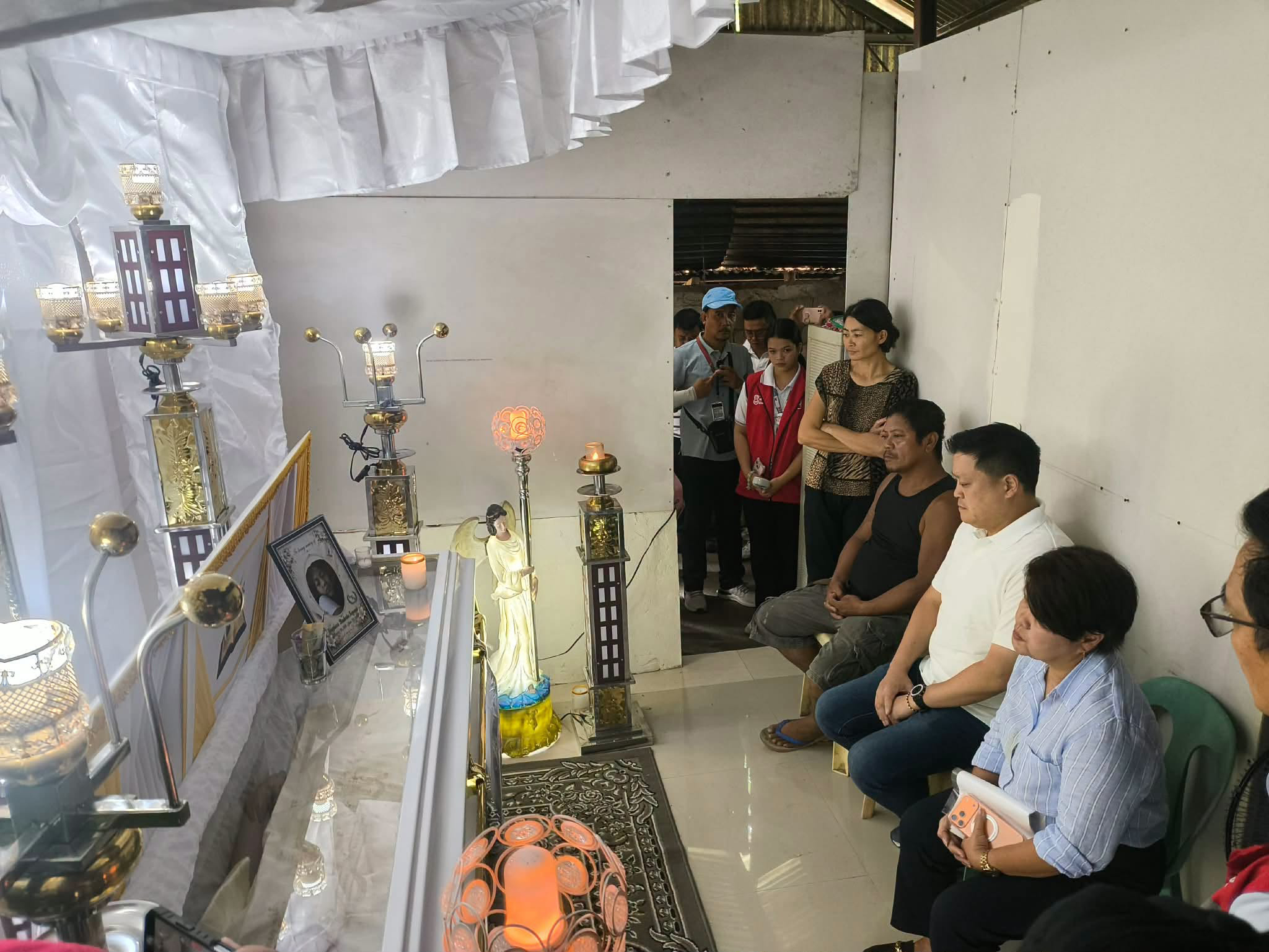
The DSWD chief also assured that the agency will continue extending all necessary assistance to everyone affected by the school shooting, particularly the families of the three victims.
Meanwhile, Gatchalian reiterated that the DSWD supports President Marcos’ openness to reviewing the country’s minimum age of criminal responsibility (MACR), stressing that any policy changes should be guided by scientific evidence and expert recommendations.
“The President has made it clear that he is open to listening, participating in discussions, and finding the best way forward. The Department likewise continues to work closely with policy experts,” Gatchalian said.
(LIZBETH ANN A. ABELLA)