TACLOBAN CITY – The House of Representatives has approved on second reading a measure seeking to give students and faculty of public and private higher education institutions free access to digital academic resources and high-speed campus internet.
House Bill No. 9532, or the Universal Access to Digital Academic Learning Resources Act, was principally authored by Reps. Ferdinand Martin Romualdez, Yedda Marie Romualdez, Andrew Julian Romualdez and Philip Jude Acidre.
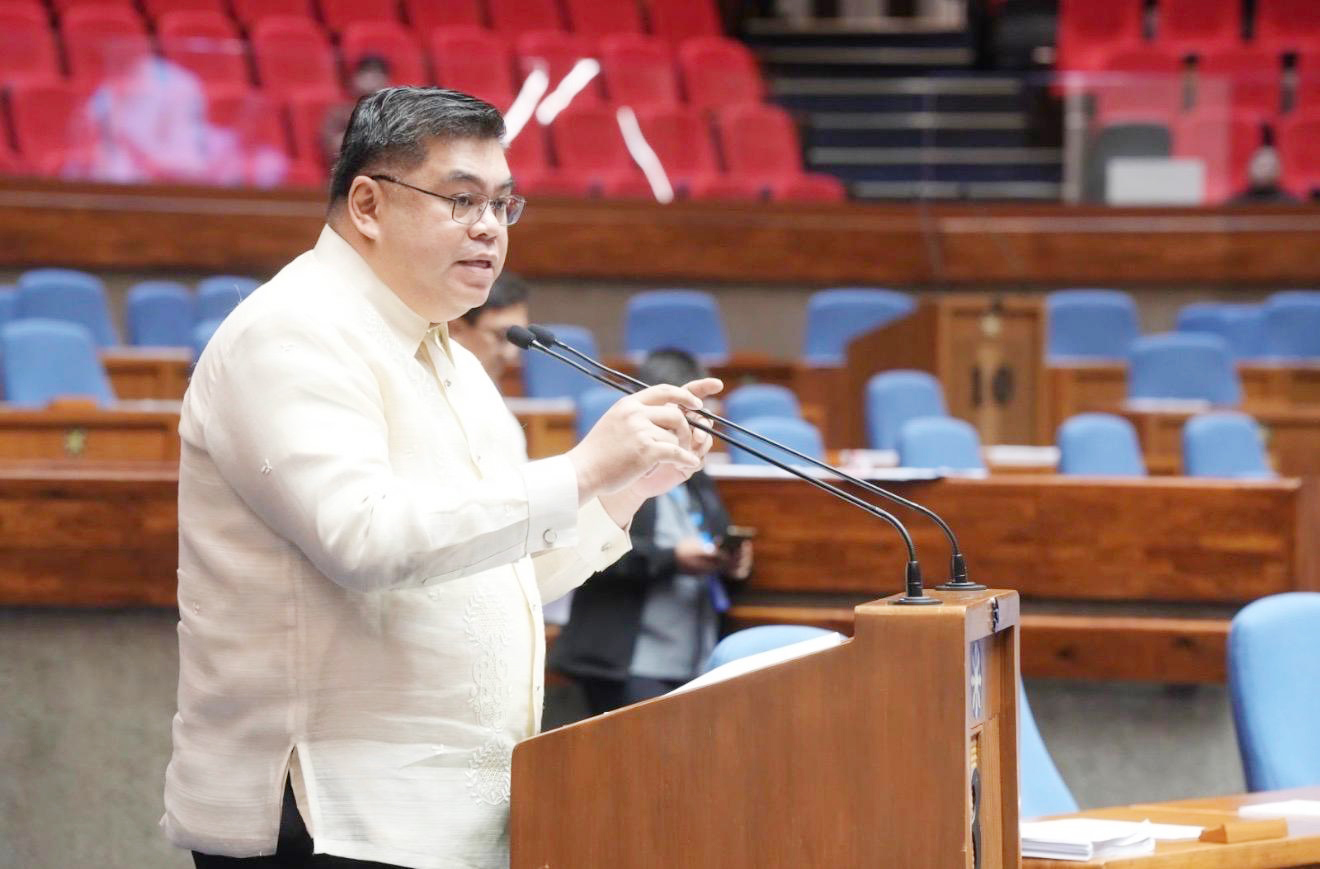
Acidre, chairperson of the House Committee on Higher and Technical Education, sponsored the measure, emphasizing the need to ensure that college students have access not only to classrooms but also to quality learning materials.
“Entering the classroom is only the beginning. Students also need access to quality learning materials that allow them to succeed, deepen their understanding, and complete their education,” he said.
The proposed law calls for the establishment of a National Academic Content Repository that would provide free access to textbooks, lecture videos, research papers and other educational materials.
The repository would be managed by the Commission on Higher Education (CHED) in partnership with the Department of Information and Communications Technology (DICT).
The bill also requires colleges and universities to provide free, secure and high-speed Wi-Fi on their campuses, with priority given to rural and underserved higher education institutions.
Acidre said providing both digital content and reliable internet connectivity would help address disparities in access to educational resources.
“By investing in both content and connectivity, this measure helps bridge the digital divide and creates more equal learning opportunities across the country,” he said.
The measure also provides for the development of localized educational materials, faculty training and technical assistance to help schools establish and maintain digital infrastructure.
The bill will undergo further consideration in the House before it can advance to the next stage of the legislative process.
(LIZBETH ANN A. ABELLA/ROEL T. AMAZONA)