For years, seeking medical help in the island towns of Eastern Visayas often meant crossing rough seas, enduring hours of travel, or simply hoping an illness would pass.
In the isolated municipalities of Maripipi in Biliran; Almagro, Daram, Sto. Niño and Tagapul-an in Samar; and Limasawa in Southern Leyte, access to doctors has long been a struggle because of geography, poverty and limited health resources.
Now, residents in these geographically isolated and disadvantaged areas (GIDAs) are seeing renewed hope as doctors under the Department of Health’s Doctors to the Barrios (DTTB) program are deployed to serve their communities.
The deployment supports President Ferdinand R. Marcos Jr.’s thrust of bringing government services closer to underserved Filipinos, particularly in remote and doctorless communities.
Under the administration’s healthcare agenda, the government has intensified efforts to assign doctors to far-flung areas to ensure that even isolated island municipalities have access to basic healthcare services.
For mothers, fisherfolk, and elderly residents in these island communities, the presence of a doctor means more than medical consultations. It means fewer dangerous trips by boat during emergencies, earlier treatment for illnesses, and a stronger chance of survival for patients needing immediate care.
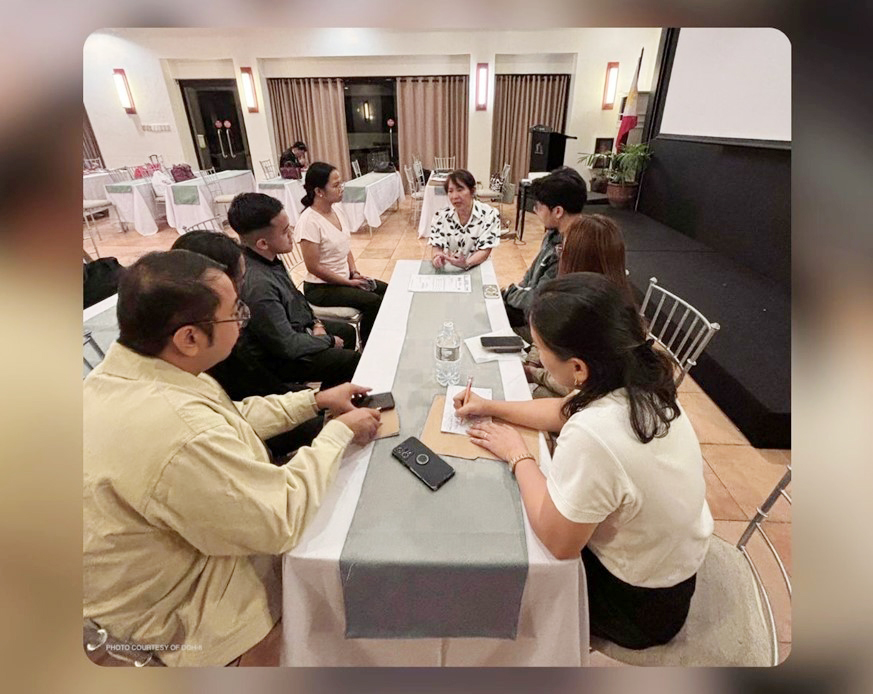
Jelyn L. Malibago, program manager on deployment programs under the National Health Workforce Support System of the DOH, said the challenge of staffing remote municipalities remains difficult because some doctors assigned in previous years have already resigned or retired.
“Not all municipalities have doctors because there are areas where doctors have resigned or retired. There are also doctorless areas but we hope to deploy doctors in the next batch of deployment this July 2026,” Malibago said.
She emphasized that despite the gaps, the latest deployment is seen as a crucial lifeline for communities often left behind by distance and limited infrastructure.
She noted that in Limasawa, the country’s historic island municipality, residents now have easier access to consultations and basic healthcare services without having to leave the island.
In Samar’s remote coastal towns, doctors are helping strengthen local health centers that have long struggled with limited personnel.
The DTTB program has become one of the government’s key strategies in addressing unequal healthcare access in Eastern Visayas, where many communities remain separated by seas, mountains, and limited transportation networks.
For many residents, the arrival of government doctors sends a powerful message — that even communities separated by water should not be separated from healthcare.
As Eastern Visayas continues to face the challenges of poverty and isolation, the deployment of doctors to island municipalities stands as proof of the government’s continuing effort to make healthcare reach even the country’s farthest shores. (PR)