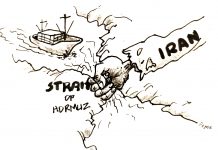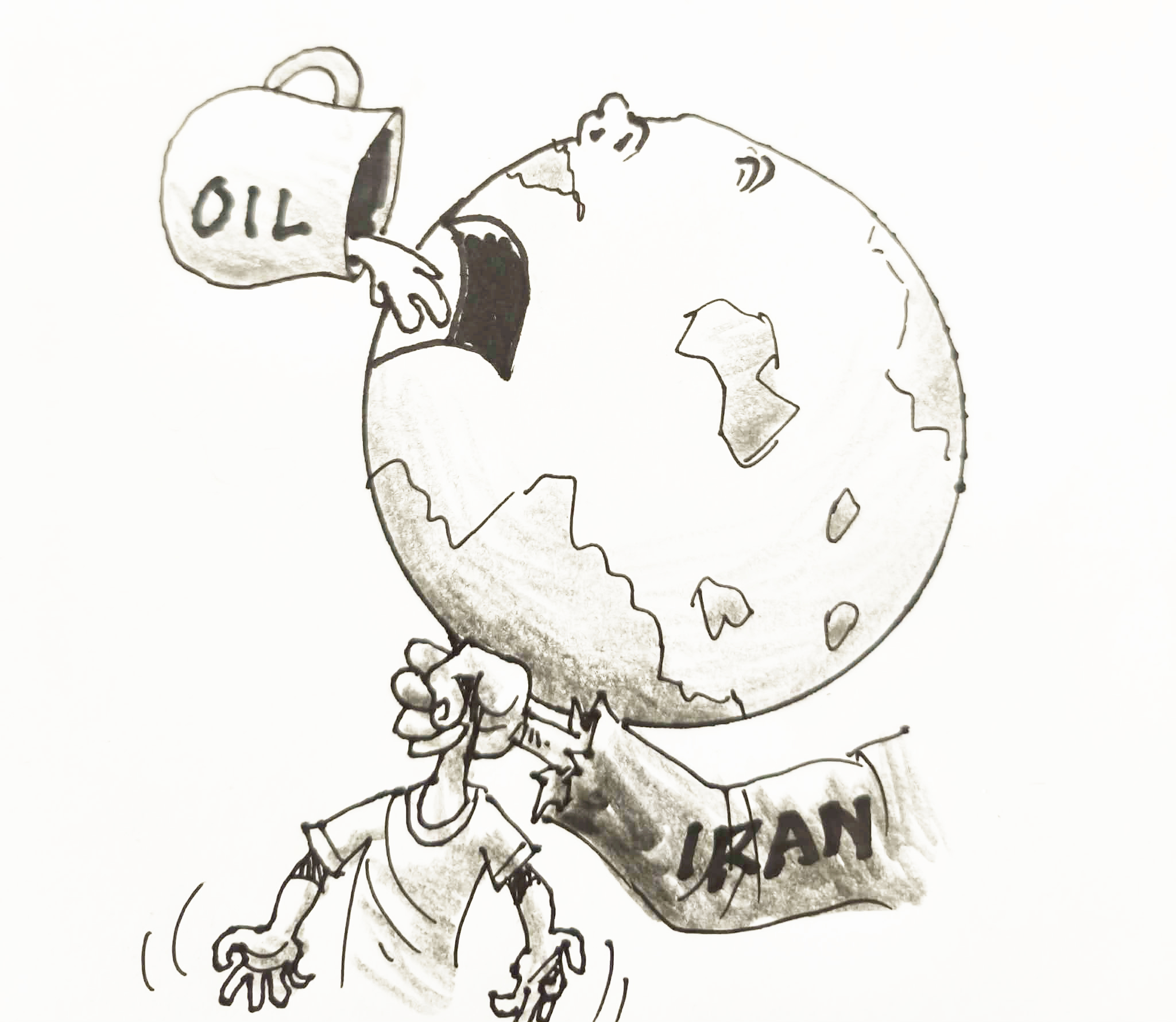
Iran’s move to close the Strait of Hormuz and attack oil tankers is a reckless escalation that endangers the global economy. It’s, accordingly, to take revenge against the US-Israeli strikes that had eliminated Iran’s senior leadership. But retaliation that weaponizes a critical sea lane cannot be justified under any claim of grievance and must be firmly opposed.
Tehran frames its actions as payback for the joint strikes, which it says targeted top leaders amid unrest. Whatever the competing narratives around those strikes and Iran’s internal repression, closing an international passage used by the world for energy transit crosses a clear line. Maritime chokepoints are not bargaining chips; turning them into battlefields invites wider conflict and harms states far removed from the original dispute.
The immediate consequence is a squeeze on oil supply. Roughly a fifth of globally traded oil moves through the Strait, and even a brief disruption jolts the markets. Tanker attacks drive insurance costs sky-high, reroute shipping, and pull barrels off the market, pushing prices upward at a pace that diplomacy cannot match. Energy shocks ripple into transport, food, and manufacturing, turning geopolitical brinkmanship into daily hardship.
The damage falls hardest on poorer importing nations, including the Philippines. Higher fuel prices raise electricity rates, inflate the cost of basic goods, and strain public transport and fisheries. Governments with limited fiscal space face a cruel choice between subsidies they cannot sustain and price pass-throughs that punish households least able to absorb them. None of these advances human rights in Iran or security in the region.
The answer is not more escalation but decisive international action. Shipping through Hormuz must be protected under international law, tanker attacks must be condemned without equivocation, and pressure must be applied—through sanctions enforcement and multilateral diplomacy—to reopen the waterway. Energy consumers should accelerate diversification and emergency stock releases to blunt the shock, while all parties step back from actions that turn global lifelines into weapons.