30.3 C
Tacloban City
November 19, 2026 - Thursday | 6:21 PM
Home Blog Page 658

Gamay community commends DPWH for Bridge Rehab

0

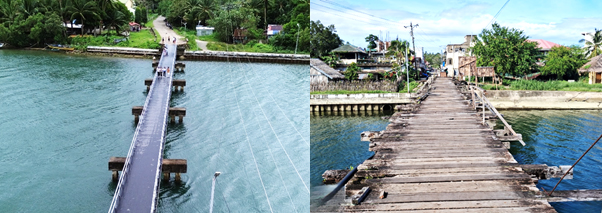
NSSDEO, Brgy. Burabud, Laoang, Northern Samar – To address the risks posed by the dilapidated wooden bridge and disruptions to the communities passing through, the Department of Public Works and Highways-Northern Samar Second District Engineering Office (DPWH-NSSDEO) has successfully completed the rehabilitation of the wooden bridge to steel bridge.

The project, which was finished on January 20, 2025, aimed at improving the movement of people going to and from the Gamay proper.

The Rehabilitation of Bridge, Barangay Central Poblacion, Gamay, Northern Samar, has a budget appropriation of P13 million which was intended for the rehabilitation of 91.70 linear meters Steel Bridge, funded under the General Appropriations Act (GAA) of 2024.

A teacher of Gala Vocational School, Mr. Brent Ceasar Coquia, disclosed, “Ine po nga tulay dati was made of wood tapos medyo risky po siya, especially kun mahangin talaga kasi aside from madalunot an gin aagian, open siya nga agian. So, dako an risk pag nagdudurungan an kabataan pag-agi. Dati, pag naagi sa wooden bridge, kabataan la, an tawo la. Yana, naagian na sya san mga sarakyan gihapon, or sa mga scooter. Dati gihapon, habang gin-uupay an tulay nga wooden an pag-agi san Gala sa other bridge nga made of concrete and so it takes time kapag nasulod sira sa klase malibot pa sira ngadto, an imo ngadi ig tatabok nakukuha sin pira ka minutes ngadto nga pag-agi. Yana, mas napapadali na an pag-agi san mga kabataan. Also, it comes with a minimal risk kasi it’s made of concrete na [steel bridge]. Maupay na talaga sya nga pamaagi para maka access an kabataan ngadi sa eskwelahan.”

In addition, Mr. Coquia is grateful to the implementing agency, DPWH, for the benefits of the project that helped not just the students of Gala Vocational School but also to the residents of the whole Municipality of Gamay.

The completed bridge ensures a safer, easier and more reliable route for light vehicles as it now makes travel time less expensive and faster for the wayfarers. (dpwh8/nssdeo/rnl/jmp)

Political tremor

0

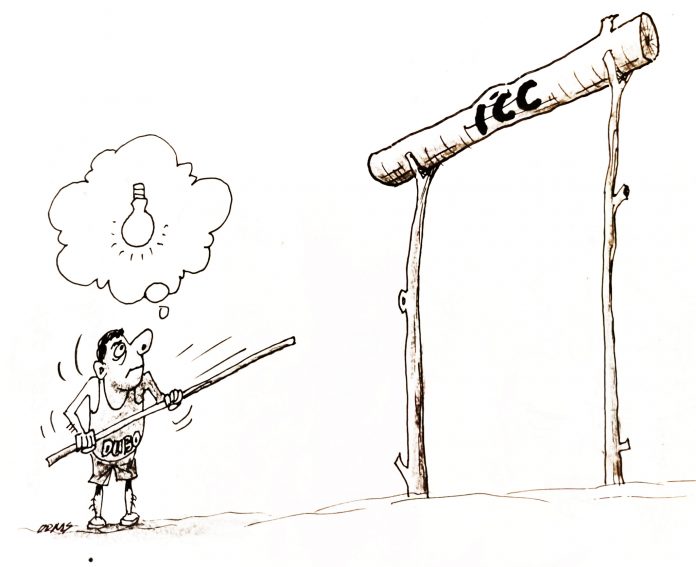
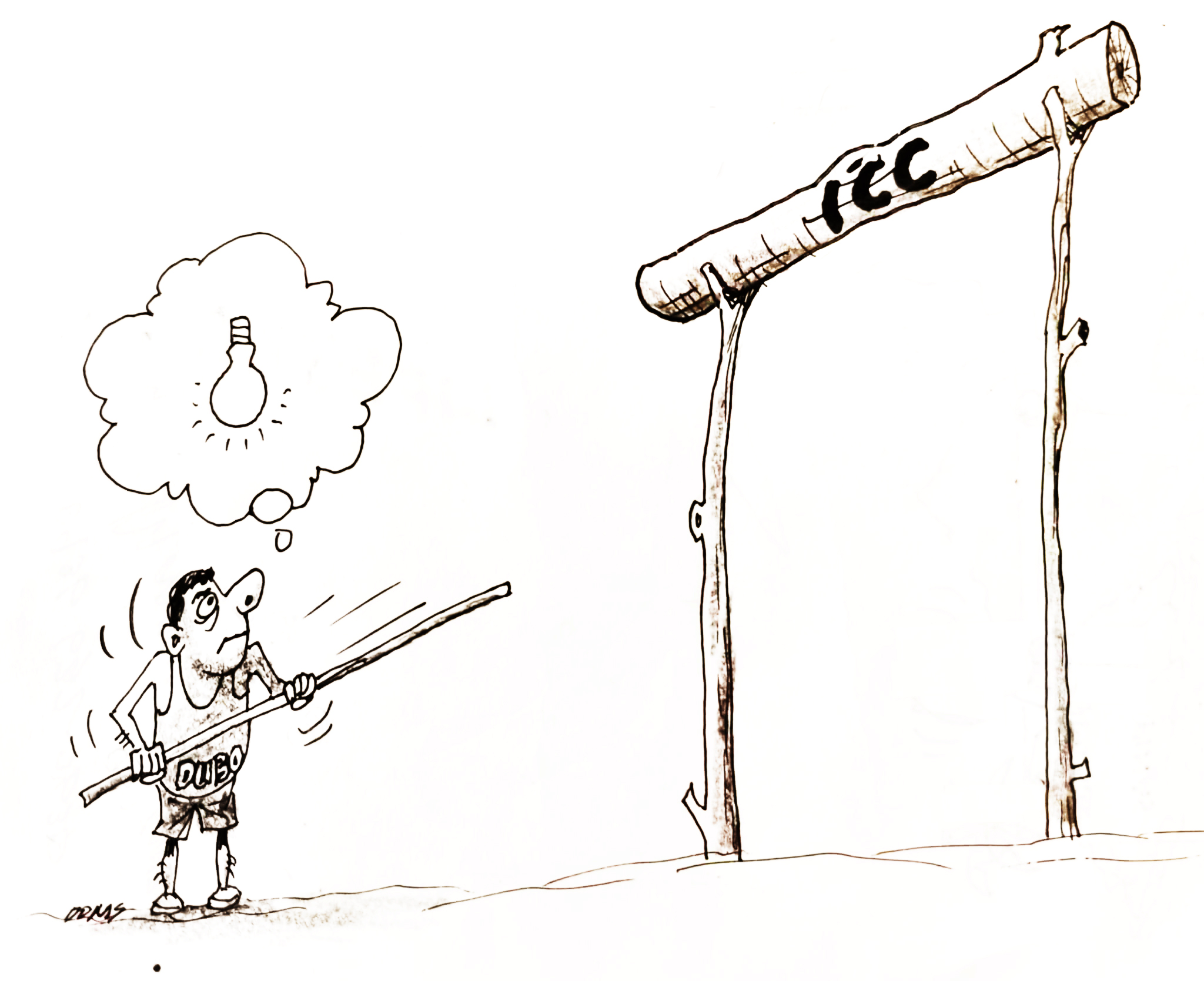
The arrest of former President Rodrigo Duterte is not merely a legal strategy but a political earthquake that sent shockwaves around the nation. With the collaboration of the International Criminal Court (ICC), this present administration has guaranteed his arrest, further worsening the political chasm rather than national unity. This action potentially plunges the nation into chaos, sending it towards an unstable and uncertain cliff.

Duterte’s term was marked by a bloody war on drugs, an initiative which he claimed was in line with the desire of a country to be free from this menace. He invited all those engaged in the drug trade to surrender and reform, but others did not listen, hence shortening their lives as a result. The war’s victims, classified as extrajudicial killings, were viewed by Duterte and his supporters as collateral damage, an unfortunate yet necessary by-product of an unremitting battle. His policies, though divisive, were supported by those who viewed drug crime as a plague left unchecked for too long.

The move of the current government to back the ICC in having Duterte arrested is seen as a betrayal of national sovereignty. First, the Philippines was already out of the ICC during Duterte’s presidency, its justice system being enough to address the issue. Second, it opened the door for a foreign entity to intrude and determine what is just, undermining the country’s sovereignty and exposing it to manipulation by foreign entities. Third, it creates a potentially dangerous precedent, where any leader is vulnerable to being prosecuted by foreigners, undermining national institutions.

Rather than laboring to mend a fractured nation, the leadership opted to dig up political grudges. While Duterte’s detention is viewed as justice—it also arouses the wrath of his die-hard apologists, further straining tensions between rival camps. The nation stands now at the precipice of descending into a political chasm, where the politics of revenge is the basis for national policy instead of working towards progress. With entrenched animosities rekindled, the country teeters on the brink of social unrest.

There’s a need to lead the nation away from this path of destruction. National unity should come before party interests and in the face of temptation to settle political scores. The rule of law must be applied with absolute impartiality and justice so that it does not become a tool for political maneuvering. Most importantly, the government has to gain the people’s confidence by demonstrating that this is not vengeance but actual justice. If the country persists on this track of political polarization, old sores will continue to get infected, with the country stuck in endless conflict.

Living with scammers

0

Recently, a seventy-year-old man stood sobbing outside a police station with a piece of paper that was worth nothing. It was a receipt for a parcel that did not exist, a scam that gulped his hard-earned pension. But the officers could only shake their heads—his money, lost, spent on the secret coffers of the swindlers who were now so rife and sophisticated that the authorities had begun allocating millions to combat them. And this is where the tragedy really starts: the swindles are no longer secretly working criminals working out of the shadows. They are an accepted norm in society, a cancer people just learn to live with.

How did we get here? When did we come to accept the fact that dishonesty is not only present but flourishing? Disinformation has been the template upon which this game of deception has been built. The digital age, when information was laid at our feet, is now a wasteland of lies. Social media each day vomits disinformation masquerading as news, Ponzi schemes masquerading as actual investment plans, and fabricated victim tales intended to pull at emotions and drain bank accounts. And at the core of it is the confused general public, unable to tell truth from fiction. And for the fraudsters? They dwell in this mist of ignorance, feeding off credulity like wolves at a perpetual banquet.

That was the time when con artists walked in dark backstreets, issuing sotto voce promises of easy money. Nowadays, they give seminars, dress in business attire, and hire hotel ballrooms to impart their veneer of respectability. Others become influencers, too, wearing designer watches and luxury cars, their fans living by their words as they sell empty promise. They’ve discovered that people are more likely to part with their cash if they can persuade them that they’re being taken to the top and not robbed. The trench-coated old-school con man has given way to the slick scammer with a PowerPoint presentation.

More horrific is the way individuals have become accustomed to living with this infestation, as with a town accustomed to rats. Companies now include potential fraud in the consideration when they make a transaction. Banks have anti-scam campaigns as if they are part of their customer service routine. Schools educate kids about cyber scams just as they used to teach about stranger danger. Governments spend public money to fight fraud, but only to verify what we already know: fraudsters are here to stay, a crisis that we will have to learn to live with instead of getting rid of.

And do not forget the brazenness of these fraudsters. They take advantage of people’s generosity, making human kindness a liability. Charity scams rob those who want to give. Imposter recruiters offer job opportunities to the desperate. Romance scammers steal life savings from lonely hearts. At the bottom of it all is a gruesome reality: they know more about human nature than we do. They know our hopes, our fears, and our vulnerabilities—and use them without pity.

Worst of all, though, is not even the presence of swindlers but society’s tacit condoning of them. We tease about “being scammed” as if it were a rite of passage. We shame victims for being dumb rather than shaming the deceivers. We swipe over scam alerts, believing that they are for other people, until the day our bank accounts are drained by a message we shouldn’t have tapped. Scammers don’t only take money; they take from us trust, so we are always on guard for anything that asks for faith or charity.

Legislation can be enacted, campaigns can be run, but in essence, it’s a struggle against human ignorance. The remedy isn’t just in regulation, though—it’s in education. We need to teach discernment as a survival skill, like reading and writing. We need to create a culture of veracity instead of spectacle and skepticism instead of ignorance. Most importantly, we must decline to accept fraudsters as the norm. Because the minute we do, we have already lost.

Building mental toughness: A guide to resilience and success

0

Mental toughness is not a magical quality reserved for elite athletes or CEOs. It’s a skill that can be developed by anyone, regardless of their background or current situation. This article explores the science behind mental toughness, its benefits, and practical strategies to cultivate this essential trait.

Understanding Mental Toughness: More Than Just “Grit”

Mental toughness is the ability to withstand challenges, setbacks, and pressure without letting them negatively impact your performance or well-being. It’s about maintaining focus, determination, and a positive mindset even when things get tough.
Think of mental toughness as a muscle that needs to be exercised and strengthened. It’s not something you’re born with; it’s something you cultivate through conscious effort and practice.

The Benefits of Mental Toughness

Developing mental toughness can significantly improve your life in several ways:

– Enhanced Performance: Mentally tough individuals are more resilient in the face of adversity, allowing them to perform consistently at their best, even under pressure.

– Improved Well-being: Mental toughness helps you cope with stress, manage anxiety, and maintain a positive outlook, contributing to overall well-being and happiness.

– Increased Resilience: Mentally tough people are better equipped to bounce back from setbacks and failures, viewing them as opportunities for learning and growth.

– Greater Success: Research consistently shows that mental toughness is a key predictor of success in various fields, including academics, sports, business, and personal life.

Building Mental Toughness: Strategies for Success

Here are some proven strategies to cultivate mental toughness:

1. Cultivate a Growth Mindset: Embrace the belief that your abilities and intelligence can be developed through effort and learning. Reframe challenges as opportunities for personal development, rather than as threats to one’s self-esteem.

2. Practice Positive Self-Talk: Become aware of your inner voice and challenge negative thoughts. Replace self-defeating statements with positive affirmations that reinforce your confidence and resilience.

3. Embrace Challenges: Don’t shy away from difficult situations. Actively seek out challenges that push you outside your comfort zone. These experiences build your resilience and confidence.

4. Employ a strategy of goal decomposition, dividing large objectives into smaller, more attainable milestones. Focus on progress rather than perfection. Acknowledge and celebrate milestones achieved, even those seemingly minor, to sustain motivation and maintain momentum toward larger goals.

5. Practice Mindfulness: Develop a regular mindfulness practice, such as meditation or deep breathing exercises. This helps you become more aware of your thoughts and emotions, allowing you to manage them effectively.

6. Build Strong Relationships: Surround yourself with supportive friends, family, and mentors. Strong social connections provide a sense of belonging, reduce stress, and boost your resilience.

7. Prioritize Physical and Mental Health: Engage in regular exercise, eat a healthy diet, get enough sleep, and manage stress levels. These practices enhance your physical and mental well-being, making you more resilient to challenges.

8. Visualize Success: Use visualization techniques to imagine yourself successfully overcoming obstacles and achieving your goals. This helps to build confidence and create a positive mental blueprint for success.

9. Learn from Setbacks: View setbacks as opportunities for learning and growth. Conduct a thorough analysis of any shortcomings, identify areas for enhancement, and implement necessary modifications to optimize future outcomes

10. Develop a “Why” for Your Goals: Connect your goals to a deeper sense of purpose or meaning. This intrinsic motivation will help you stay focused and persevere through challenges.

11. Practice Consistency: Mental toughness is built through consistent effort and daily practices. Make small, consistent changes to your habits and routines to develop a stronger mental foundation.

Conclusion: The Journey to Mental Toughness

The development of mental resilience is an iterative process that necessitates sustained effort, self-awareness, and a commitment to personal transformation. By implementing these strategies and embracing the challenges that life throws your way, you can cultivate the mental strength to achieve your goals, overcome adversity, and live a more fulfilling life.
————–
If you have any questions or would like to share your thoughts on the column, feel free to send an email to jca.bblueprint@gmail.com. Looking forward to connecting with you!

Positing electoral reforms

0

If this writer can rewrite election laws, here are what I would posit for fair elections in the future. We have an obsolete election law that was enacted by the defunct rubberstamp parliament and had been found by experts as bearing many loopholes. The need to amend the law to be responsive to the changing times had long been overdue. Unfortunately, congress does not care to give a damn to a legislation that will eventually jeopardize their fate in future elections.

Politicians had already been adept with the obsolete provisions of the law and had to some extent mastered the ways to subvert the law for their own vested ends. Changing the provisions to plug the loopholes would surely pose a great problem for politicians in their future electoral bids. That makes acting on the proposed amendments a suicidal adventure for lawmakers to take up. Revising the law to weed out the loopholes would result in more difficult political future for many politicians.

One problem affecting Philippine elections is the great disparity between rich and poor candidates in terms of exposure. Only those who can afford to pay the high cost of political advertisements are able to reach the masses. The poor ones had to be contented with few campaign materials that can hardly be recognized in poster areas that are plastered with those materials of the rich candidates. Not even the Fair Elections Act mattered in any way to level the playing field as those candidates who have the resources dominated the areas with gusto.

It would be best to change the law by imposing a total ban on campaign posters and in lieu therefor, the Comelec shall exercise full regulation by posting the names of qualified candidates in equal sizes and similar design in designated common poster areas. The same thing must be done on radio and television advertisements.

It must be the Comelec that will broadcast the names, qualifications and platforms or advocacy of each candidate. With the Comelec doing the posting of names of candidates, equality in space and a level playing field may at least be approximated. If the Comelec can do that under a new revision of the election law, we can somehow hope that there is a level playing field that can pave for a level playing field.

But the strongest influence of all is money, which flooded the localities for local elective posts. While many people give the best explications to justify the use of money to buy votes, the prohibited act is still deemed evil no matter all the best justification. Government can take full control over vote buying by regulating cash in circulation during the election period and strictly enforcing the law by jailing violators.
comments to alellema@yahoo.com

What Christ’s Transfiguration teaches us

0

THE spectacle of Christ’s Transfiguration (cfr. Lk 9,28b-36) teaches us, among other things, that we are meant for a supernatural life, that we need to develop the art of transcending the material and temporal dimensions of our life to enter into the world of the spiritual and the eternal, and that the care we give to our body should be oriented toward the ultimate glory we are supposed to share with God.

We have to develop a taste and even an appetite for the supernatural life with God and of things supernatural in general. In this we have to help one another, because in the end, this is our common ultimate end in life—how to live our life with God, how we can be immersed in God even as we are immersed also in the things of the world.

We have to help one another wean ourselves from the exclusive dependence on the sensible, material and even merely intelligible circumstances of our life. Yes, it’s true that we cannot avoid them, since they are an integral part of our humanity. In fact, we need them. But let’s understand that they are not the be-all and end-all of our life. At best, they are means, tools and occasions to develop our supernatural life with God.

We have to understand also that our supernatural life does not in any way nullify our humanity, and everything related to it—our senses, emotions, our family and professional, social, political life, etc. If anything at all, it promotes these aspects of our life, purifies them and elevates them to the supernatural order of God.

We have to disabuse ourselves from the thinking, now so common in many worldly ideologies and lifestyles, that the supernatural life undermines our humanity. Yes, there might be some awkwardness involved, especially in the beginning, but such problems and difficulties do not detract from the objective necessity we have to develop a supernatural life.

We also have to be more aware of our need to develop and sharpen our sense of transcendence. It is to help us cope with the fullness of the reality that governs us. It is the reality that includes the spiritual which we cannot see and touch because it is not accessible to the senses, and the supernatural which we cannot reach with our own natural powers alone but only with God’s grace, through faith, hope and charity that work on our natural powers.

We have to realize that the sense of transcendence does not mean that we ignore or have no need or simply give little importance to the here and now, to the material and natural dimensions of our life. Rather, we have to realize that our sense of transcendence can only be exercised through these natural dimensions of our life, but we need to go beyond them, not trapped in them.

Lastly, Christ’s Transfiguration also teaches us that our body is meant for eternal life. It may be reduced to dust when we die, but our faith tells us that it will be resurrected at the end of time.

We should subject the body to the dynamics of our spiritual soul that in turn is subject also to the dynamics of faith, hope and charity, or in short, the dynamics of the life of God from whom our soul springs as God’s image and likeness.

Yes, indeed, our body materializes the spiritual love proper to us. The impulses of faith, hope and charity should somehow be expressed in it, in spite of its limitations.

Recent Posts

DALMACIO C. GRAFIL
PUBLISHER

ALMA GRAFIL
EDITOR-IN-CHIEF

ROMEO CEBREROS
OFFICE IN-CHARGE

OFFICE
BRGY. SONGCO, BORONGAN CITY

CONTACT NUMBERS
(055) 261 – 3319 | 0955 251 1533 | 0917 771 0320 | 0915 897 7439 | 0921 511 0010

DALMACIO C. GRAFIL
PUBLISHER

RICKY J. BAUTISTA
EDITOR

ALMA GRAFIL
BUS. MANAGER

OFFICE
RIZAL AVENUE, CATBALOGAN
(INFRONT OF FIRE DEPARTMENT, NEAR CITY HALL)

CONTACT NUMBERS
0917 771 0320 | 0915 897 7439 | 0921 511 0010

EMAIL
lsdaily2@yahoo.com

WEBSITE
www.issuu.com/samarweeklyexpress