

THE reason can be found in that parable Christ told his disciples about the rich man, dressed in purple, and the poor man, Lazarus, who was lying at the rich man’s door, covered with sores and waiting to get even the scraps of food that fell from the rich man’s table. (cfr. Lk 16,19-31).
As the parable unfolded, both of them died. The poor man was carried by angels to the bosom of Abraham, while the rich man was buried in the netherworld. While at first sight, the parable might strike us to be unfair, since if God is a God of love and mercy, he should therefore be willing to save both of them.
But I suppose that without detracting from the universal love and mercy God has for everyone, the purpose of the parable is simply to teach us about the deadly danger of worldly wealth and the great redeeming value of Christian poverty and austerity.
Wealth in itself is not evil as long as we do not allow it to corrupt us. In fact, poverty and austerity can be bad if they are lived in bitterness and anger, if not hatred against God.
For wealth to be a good thing, it has to be lived with the Christian spirit of poverty and austerity. That means that wealth is used to give glory to God and to serve everybody else. It is not meant to be used for self-indulgence.
Money and richness can become a problem when we are led to get attached to them such that we cannot anymore give ourselves fully to God. They can blind us with respect to our duty to God and to everybody else. We may give the appearance that we are giving a lot, but if it is not the whole of ourselves, then it is not total self-giving which God deserves and expects from each one of us.
Let us always remember that God wants the whole of ourselves. He wants our entire heart, not a divided heart. He wants to be everything to us, the first and the last, the Alpha and the Omega. He wants to be given priority over everything else, including our own life.
Especially these days when we are practically bombarded with so many tempting things, we should really be guarded, otherwise we end up completely materialistic and consumeristic, completely dead and numb to the spiritual and supernatural dimensions of our life as children of God.
We need to regularly check on what we have at the moment, what our real desires of our heart are, to see if indeed we are living the proper spirit of poverty and austerity that Christ himself lived. We know how easy it is for us to lapse into the opposite of poverty and austerity, like greed, envy, etc. With the way the world is developing these days, this practice of checking is very important.
Poverty and austerity allow us to love God and others properly. They clean our hearts of any trace of selfishness and self-indulgence. They make us simple, enabling us to develop many other virtues with ease. They rid us of unnecessary burdens in our life.
Poverty and austerity actually enrich us with a richness that is proper to us. It is the richness of being with God and in communion with everybody else. They enrich us with the love that channels the very love of God for us.

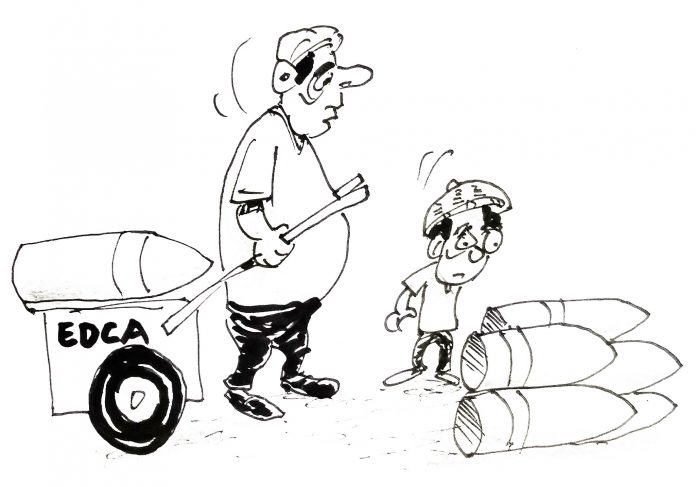
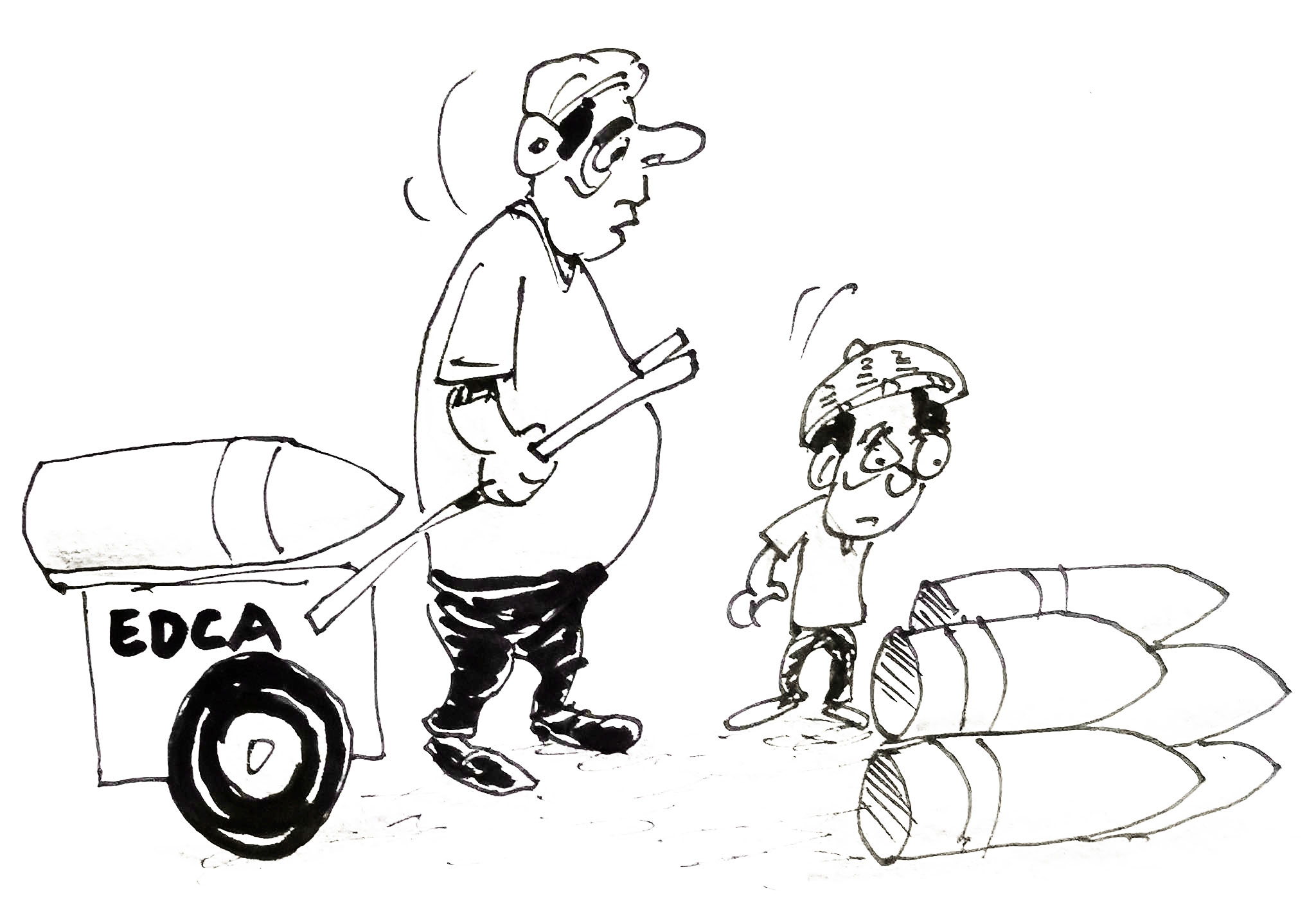


Five-fold income of VMC from Aug. to Nov. 2022, laudable
For sometime now the issue about soaring prices of sugar and its by-products
has been hugging the headlines of Philippine newspapers, as led news item of TV and radio news reports. In economics, the situation is attributed to Supply and Demand of sugar -Low production, dictates the price of the commodity. More often than not artificial shortage of consumer items in markets and groceries the businessmen shout as palliative and/or band-aid solution for the government to import as stop gap strategy, flood the outlets with imported stuff to the dismay of the sugar farmers/planters.
Importation, some sectors sympathetic with the lowly farmers, agree to the idea of importation notwithstanding the market prices or even if the prices of locally produced sugar and farmers livelihood are compromised. An importation, as an option to serve the interest of consumers, should me done during the lean months wherein sugarcane plants are not yet or still immature for harvesting and buffer stock of sugar are waning?
The Victorias Milling Co. (VMC) report about the company’s income showing a five-fold increase from August November 2022, is a much welcomed news. It douses the hot issue and apprehension on local sugar production.
The VMC report filed with the Philippine Stock Exchange, states that “its consolidated ne income amounted to P772.7 million from August to November last year, soaring by 446.76 percent fromP141.32 million in the same period in 2021.”
And, that its net profit margin increased from 7 percent to 14 pecent. Also, “revenues jumped by 167.53 percent to P5.49 billion from P2.04 billion as the company’s sale of goods and service income more than doubled”, said VMC.
The sugar miller company was quoted saying “Despite the industry challenges, its balance sheet remains strong while the company remains highly liquid.” Indeed, the report card of VMC is proof of well-managed company.
MY COMMENT:
I would like to believe that the other sugar millers in country have similar success stories on production output and income generation report cards as that of the VMC. If so, the healthy and bright sugar industry is due to rebound in due time and the woes of the consuming public and the marginalized population shall have been addressed properly and timely. Also, sustained intervention by the government in the form of cheaper fertilizer and/or soil conditioners, controlled oil prices shall remain as the sugar planters, millers dream.
ooo000ooo
NEXT TOPIC : “DA To empower more young farmers through Internship Program”
SHARE S & T THOUGHTS through E-mail: drpacjr@yahoo.com.