Charged for malversation of public funds of property
ORMOC CITY-Charged with malversation of public funds and property, a former mayor of Culaba in Biliran has been arrested for failing to return a sound system acquired during his term, although he remains free after posting bail.
Lorenzo Reveldez, 57, was apprehended on a warrant issued by Judge Constantino Esber, executive judge of the Regional Trial Court-Branch 37 in Caibiran, Biliran, on March 26 of this year, on charges of malversation of public funds and presumption of malversation.
Reveldez, who held the mayoral position for three terms until 2019, was arrested at his residence in Barangay Habuhab.
The charges against Reveldez stemmed from the disappearance of a sound system worth P900,000, which was procured during his tenure.
Upon an inventory of municipal assets conducted by Mayor Humphrey Olimba, it was discovered that the sound system was missing.
Mayor Olimba requested Reveldez to return the sound system, but he failed to comply, prompting legal action.
Reveldez, who ran unsuccessfully for vice governor of the province in the 2019 elections, was subsequently charged.
During his arrest, Reveldez was informed of the nature of his arrest and his constitutional rights in a language he understood.
He was then taken to the Culaba municipal police station for documentation and processing but was released on bail of P60,000 pending further legal proceedings. (ROBERT DEJON)
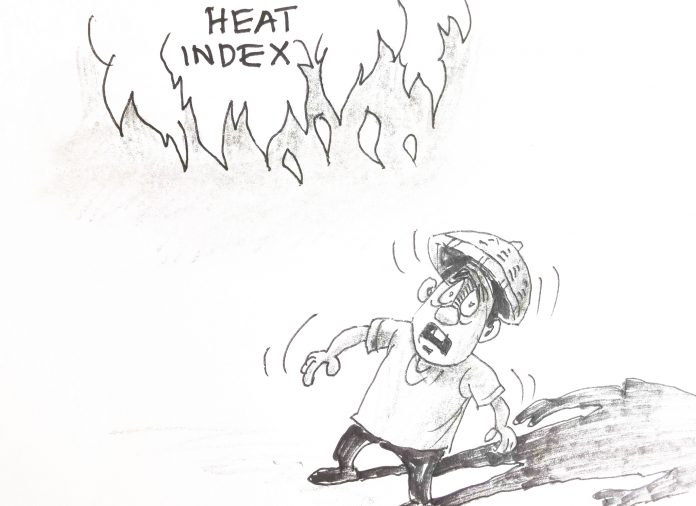
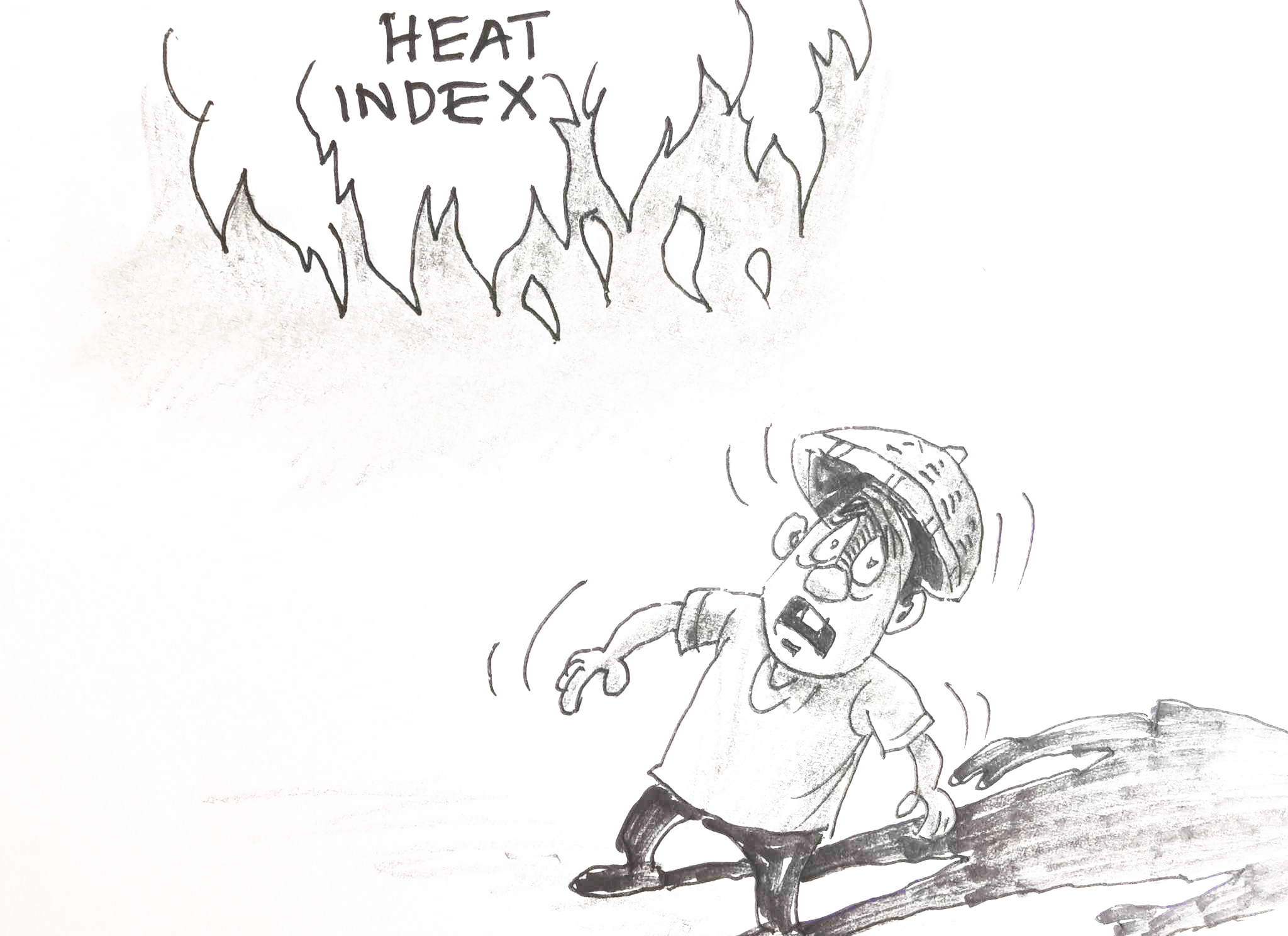
Like many other tropical countries, our country is now experiencing a concerning trend of rising temperatures, causing the heat index to soar high across the archipelago. This is not just a source of discomfort; it poses significant health risks and environmental challenges that demand urgent action for people to combat these soaring temperatures and take necessary measures to mitigate their impact.
The escalating heat index poses serious health risks as prolonged exposure to high temperatures can result in heat-related illnesses such as heat exhaustion and heatstroke, which can be fatal if not promptly treated. Vulnerable groups, including the elderly, children, and individuals with pre-existing health conditions, are particularly susceptible to the adverse effects of extreme heat. People must then prioritize their health and take steps to stay cool and hydrated during periods of intense heat.
This increasing heat index also exacerbates the effects of climate change, leading to environmental degradation as exemplified by water scarcity and biodiversity loss. Rising temperatures contribute to the melting of polar ice caps, causing sea-level rise and coastal erosion, which pose alarming threats to low-lying areas in the Philippines. Additionally, extreme heat can trigger more frequent and intense weather events that further endanger communities and worsen the cycle of destruction and recovery.
We should learn to combat the escalating temperatures and their associated risks by taking appropriate measures to adapt and mitigate their impact. This includes staying informed about weather forecasts and heat advisories, seeking shade and cool environments during peak heat hours, and staying hydrated by drinking plenty of water. Efforts to reduce greenhouse gas emissions and mitigate climate change are essential to address the root causes of rising temperatures. This entails promoting renewable energy sources, implementing energy-efficient practices, and advocating for sustainable policies at both local and national levels.
This increasing heat index is a pressing issue that requires immediate attention and concerted action from individuals, communities, and policymakers alike. We need to take the necessary steps to protect ourselves and our surroundings. Through collective efforts, we should mitigate climate change and promote sustainable practices so we can work towards a climate-resilient future for the next generations to come.
Historically, awards were bestowed upon individuals whose accomplishments stood out among their peers, serving as a beacon of excellence within their respective industries. These accolades were a symbol of distinction and were often held in high regard by both the recipient and the public.
Receiving prestigious awards in the past was often a testament to meritorious achievement, a recognition of significant contributions in various fields. These accolades were highly esteemed, not only for the honor they bestowed but also for the accompanying monetary rewards and the validation they provided to the recipient’s efforts and talents. Thankfully, I was repeatedly a recipient of such awards, the most prestigious of which was an international model teacher award that I received three years ago.
In recent times, though, there has been a notable shift in the landscape of award ceremonies and their criteria for selection. Rather than being solely based on merit and achievement, there’s an emerging trend where anyone, regardless of their actual contributions or achievements, can receive an award provided they have the financial means to obtain it. This phenomenon has led to a devaluation of the prestige associated with certain awards, as they become more accessible to those who can afford them rather than those who truly deserve recognition.
Moreover, the rise of online advertising and social media has further exacerbated this issue, with many awards being aggressively marketed and promoted to a wide audience. This rampant advertisement of awards can often overshadow the genuine accomplishments of individuals who have worked tirelessly to make meaningful contributions in their respective fields. Instead, it creates a culture where the focus shifts from genuine recognition of talent and hard work to a pursuit of vanity and self-promotion.
In contrast to the past, where receiving an award was a reflection of one’s dedication and excellence, the current landscape raises questions about the integrity and authenticity of these accolades. The commodification of awards, where they can be obtained for a hefty sum of money, undermines the fundamental principles upon which they were originally established. It blurs the line between true recognition and mere transactional exchanges, diminishing the value and significance of prestigious honors.
This shift also has broader implications for society, as it perpetuates a culture of entitlement and instant gratification, where success can be bought rather than earned through hard work and dedication. It sends a message that meritocracy is no longer the driving force behind recognition, but rather wealth and privilege dictate who receives acclaim and validation.
The evolution of prestigious awards from the past to the present reflects a significant departure from their original intent and value. While once a symbol of genuine accomplishment and recognition, they have increasingly become commodified entities, accessible to those who can afford them rather than those who truly deserve them.
This trend not only undermines the integrity of awards but also erodes the principles of meritocracy and excellence that they were meant to uphold. Award-giving bodies should reassess the criteria and processes involved in award selection to ensure that recognition is reserved for those who have truly earned it through their hard work, talent, and dedication.
This column aims to inspire those who are contemplating on starting their own business and provide motivation for those who have already taken the leap.
Our primary objective is to support our family in any way possible. We understand that embarking on the journey of starting a business requires courage and the willingness to face challenges. Embarking on a business venture can be intimidating, particularly if it’s a spontaneous decision inspired by others’ actions. It’s crucial to pursue something you’ve always desired, as it’s easier to realize your dreams when you’re passionate about them. Just like parenting, a business requires care and attention. Once you’ve established your store and begun operations, you can’t just leave it to run on its own.
Most of us have a common desire to progress beyond our current state. Some of these aspiring entrepreneurs’ energy is palpable, and their numerous questions reflect their enthusiasm. However, I often wondered how many of them truly followed their passion…
Approximately 90% of startups fail within their first year. This high failure rate is often due to inadequate planning and management. To succeed in business, it’s vital to continually learn and stay up-to-date with market trends and demands.
Characteristics of a Successful Startup
You can’t merely dive into a venture believing you’re prepared. While I often advocate for seizing the moment and starting a business today, it’s essential to keep your eyes wide open to the realities of what you’re undertaking. Here are some pointers to help your startup journey become a success story:
1. Ensure your product meets a market demand. While unique products can stand out, they should also address a market need. If your product doesn’t resonate with consumers and only you understand its value, your business may not survive the first month. When brainstorming product ideas, consider what the market needs and will use.
2. Don’t underestimate the importance of business processes. Entrepreneurs should be involved in their business operations. While tasks like answering calls and sending emails are important, they alone won’t guarantee success. There’s a lot more work involved, and everyone in the business should understand their roles to ensure continuity.
3. Don’t fear rapid growth. Fast growth is a positive sign of high demand. While it may be daunting for some, entrepreneurs are known for taking risks. However, these risks should be calculated, meaning you should not overextend your expansion plans. Learn how to manage growth safely and enjoy the rewards of your hard work. But remember, don’t let success blind you and lead to wastefulness.
4. Cultivate versatility. Versatility isn’t just about your team’s skill set. It also refers to your team’s ability to quickly develop new products, marketing strategies, and rebranding initiatives. Building a strong team makes facing these challenges less daunting. Sharing responsibilities and accountability with co-founders can also be beneficial.
Notice how businesses flourished during the pandemic. Many people started online businesses to support their families even if it meant to devote more time in looking after the business, thus there are sacrifices that needed to be done. You would notice how social media significantly become a part of everyone’s life- we no longer use these platforms merely to connect or reconnect with friends, but these have become their means of purchasing things they need even if COVID-19 is no longer a threat as it was before. The resilience and adaptability of entrepreneurs have found success even during challenging times. If they have been successful in making that giant step, so can you. All it takes is self-confidence and faith in our Almighty.
Poverty pushes people to take on odd jobs just in order to earn a living. Many of our educated population would swallow shamefulness if only to feed the hunger of family. It is really ironic that education is not a sure key to gainful employment. The bad joke about college graduation being the gateway to the world of unemployment is real. Jobs are scarce both in government and the private sector. The gap between the number graduating from college and the job opportunities is constantly increasing by the year and there simply are no signs it would narrow down in time.
The situation is aggravated by the mismatch between course offerings in schools and job requirements in workplaces. Often, the graduate that is hired has still to undergo trainings to make him competent. The sadder reality is that graduates of academic degrees would need to shift to vocational and technical training just to be fit for employment. Our degree holders would go down with the employment fashion of being service crews in call centers or becoming caregivers to foreign races.
We had been hit hard with the craze to career caregiving and nursing. The first is new trend while the other had been a regular job in demand abroad. We do not care about caregiving being a mere downgrading of nursing. We do not care that foreign employers may just be gypping our gullible impoverished people into taking a job that requires nursing skills but would fall cheaper because it was named purposely to appear cheaper. We already had caregivers even before its famousness but they wore the tag domestic helpers. These hands had already been providing care to foreign people long before caregivers became a byword of those dreaming to work abroad.
But our workers serving as domestic helpers on foreign shores were deemed lacking in some skills on health and medical care to the sick and aging people they serve. Even if they are caring enough and are doing household services well, the need for training on health and medical care became imperative. The situation triggered the proliferation of businesses on caregiver training. Those wanting jobs abroad immediately flooded these training schools that offer packages of job placements after training.
Poverty is the great pusher to this anomalous situation where our people would sacrifice leaving family to care for others with pay. Certainly, there are minor children and aging parents who need care and attention that must be left uncared and unattended by the kin who need to care for others for fee so that family and kin left at home may live no more in the excruciating pain of hunger or the grinding knead of poverty.
In its common acceptation, giving is a generous act that is free. The vocation now in demand may have been given a misnomer in the strict sense. But rendering service to others deserves commensurate compensation. No one would foolishly take a long journey away from family and home purely as an act of love, sacrifice and devotion. But the calling of this vocation is not material to its true essence. It is a noble job for the jobless population of this nation that goes overseas to earn for the family while caring for others. comments to alellema@yahoo.com
IF we are truly with Christ, there is no doubt that despite our unavoidable differences and conflicts, we can still manage to achieve a certain unity. Christ gives us the way, the power and the grace to achieve this unity.
Thus, the expression, “cor unum et anima una,” (one heart and one soul) as recorded in the Acts of the Apostles. (cfr. 4,32) It characterized the lives of the early Christians who fervently followed the teachings and example of Christ. Let’s hope that we too can manage to achieve that ideal.
To live unity amid plurality and diversity in our lives is a constant quest for us. How do we achieve unity, a desired ideal, amid an obvious plurality we can observe even in each one of us individually, not to mention the ever-widening variety of things among ourselves and between ourselves and the rest of creation?
It’s undeniable that deep within us is a natural longing for unity in whatever level and aspect of our life, whether personal, familial, social, political, or cultural, etc. Without articulating it, we somehow know that unity presumes life and order which we like to enjoy, just as disunity connotes death and disorder which we try to avoid.
The unity we are looking for, of course, is not uniformity and an idle, passive and automatic unity. It’s a dynamic, living unity that has to be worked out, precisely because it is not merely physical unity we are after. It’s a moral unity that involves how we understand and use our freedom, and this can turn in any which way.
Equally undeniable is the plurality that we have to contend with, not only of the different parts we are made of individually, but also of the different views, opinions, tastes and preferences, cultures, lifestyles, etc., that we have to learn to live with among ourselves in the different levels of our collective life.
What we have to do is to seek this unity amid the plurality in our lives is to go to the source and author of unity. In other words, the ever-complicating plurality we have is a call for us to go to God, the Creator of the universe.
He is the one that holds everything in unity, from beginning to end. He is the universal lawgiver, who has designed everything—the spiritual and material, the animate and inanimate beings—into one unified universe, governing everything with his providence.
He knows what to do with whatever situation the world may go as played out by the way we use our freedom. His wisdom cannot be outwitted by the smartest and most cunning of human intelligence and freedom.
We have to understand then that for us to have unity amid the plurality in this world, the unity we have to build should first of all and always be a religious unity, before it is a social, political, cultural or historical unity.
Absent that religious essence of unity, we would be reprising the story of the tower of Babel where a godless pursuit of unity and development produced disunity and confusion instead, leading to the unavoidable consequences of conflicts and wars among the people.
This is what we are witnessing these days, and all throughout our human history. A unity not springing from the unity of God and with God is a false and deceptive unity that often attracts all kinds of danger. We need to ground our pursuit for unity amid plurality on our loving and faithful relationship with God.