25.4 C
Tacloban City
March 25, 2026 - Wednesday | 9:44 AM
Home Blog Page 1004

Sen. Go says he will propose a sports program as an alternative to the ROTC proposal

0
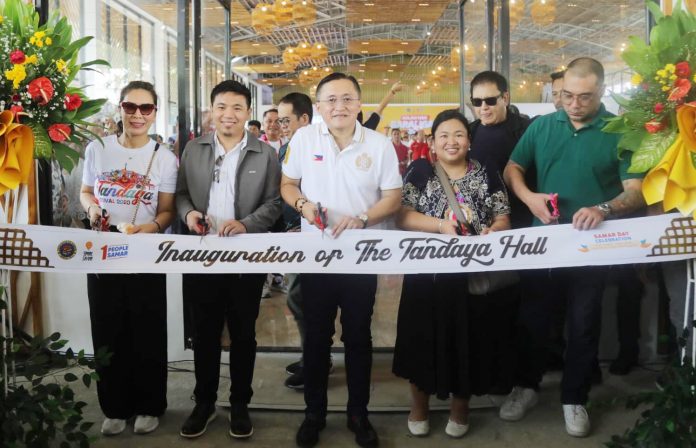
Senator Christopher Lawrence “Bong” Go led the inauguration of Tandaya Hall (formerly called provincial covered court) during the 182nd Samar Day celebration on August 11. He was joined by Samar Gov. Sharee Ann Tan, Catbalogan City Mayor Dexter Uy, BHW party-list representative Angelica Natasha Co, and actor Victor Neri. (photo courtesy)

CATBALOGAN CITY – Senator Christopher Lawrence “Bong” Go said that he will propose a sports program as an alternative to the ROTC or the Reserve Officer Training Corps.
According to Go, who was among the guests during the Samar Day celebration on August 11, he has nothing against the proposed ROTC program.
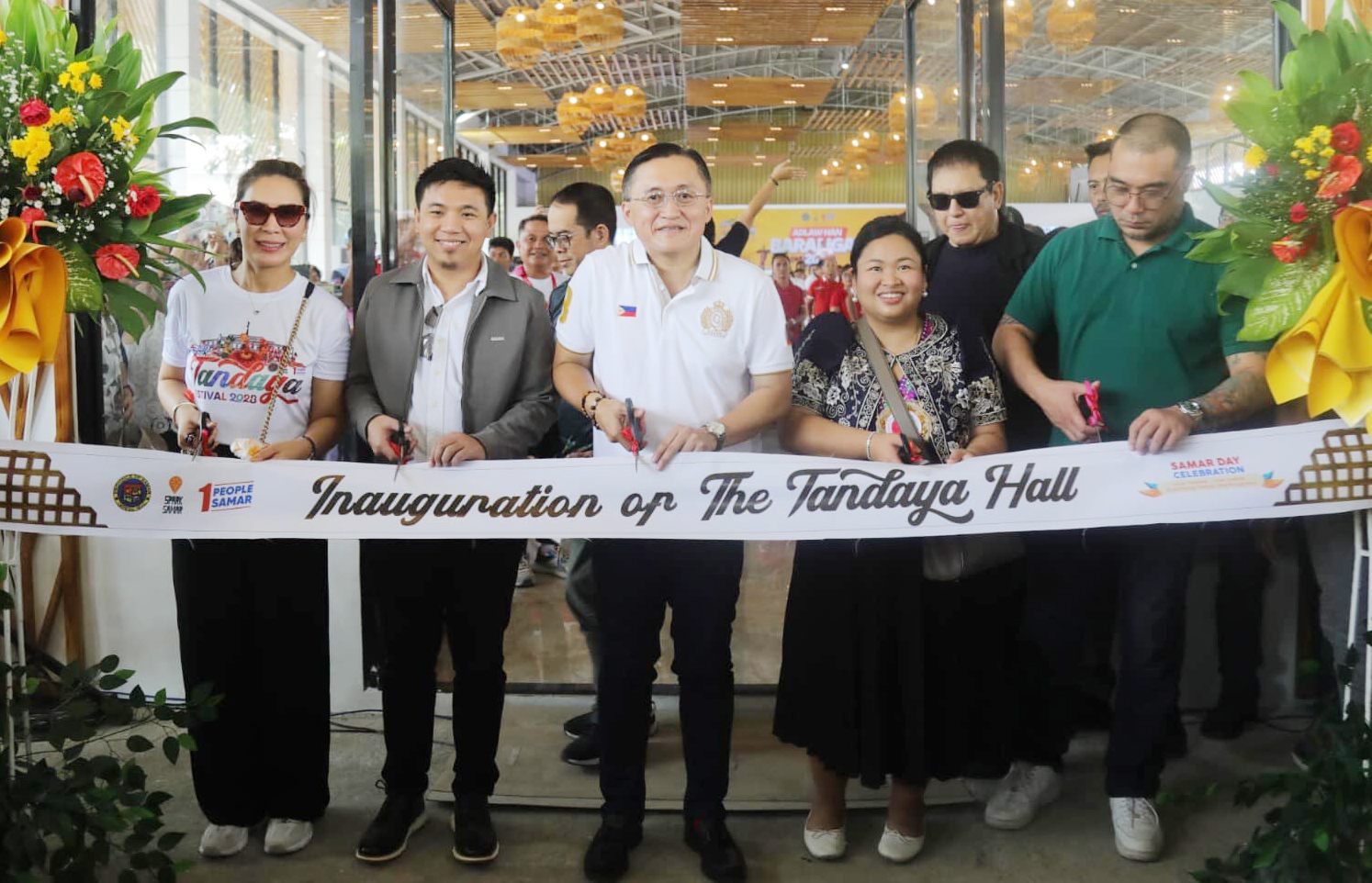
Senator Christopher Lawrence “Bong” Go led the inauguration of Tandaya Hall (formerly called provincial covered court) during the 182nd Samar Day celebration on August 11. He was joined by Samar Gov. Sharee Ann Tan, Catbalogan City Mayor Dexter Uy, BHW party-list representative Angelica Natasha Co, and actor Victor Neri. (photo courtesy)

However, there could be students who will prefer sports-related activities other than the ROTC.

“Suportado ko po ang ROTC dahil matuturuan natin ang ating mga kabataan ng spirit of Bayanihan, love of country, at disiplina, at patriotism,” Sen. Go said.

“Ngunit kailangan po nating pag-aralang mabuti kung dapat po bang mandatory kasi maari rin pong may ayaw. So suggestion po sa akin, nandyan po ang ating ROTC but magkaroon po tayo ng alternative program like sports,” the senator, who chair the committee on sports at the Senate, said.

“Ibig sabihin baka in lieu sa ROTC baka pwede po silang pumasok sa sports program,” he added.

Go said that he will be making this suggestion once they resume interpolating the passage of the ROTC bill, which is mainly authored by Sen. Ronald ‘Bato’ de la Rosa.

Meantime, Go said that including the ROTC program in the school curriculum will help students not only to instill patriotism but also gain skills and knowledge in disaster preparedness and response especially that our country is located along the storm path in the Pacific.

“Hindi lang naman po sa military events magagamit ang ROTC, makakatulong din po ito sa disaster response at humanitarian activities especially ngayon dahil sa climate change at kundisyon sa Pacific Ring of Fire, mas nagiging prone po tayo sa natural disasters and calamity,” he added.

Another contribution of having ROTC is teaching youth discipline that will allow them to stay away from illegal drugs, he added.
(ROEL T. AMAZONA)
Expected removal

0

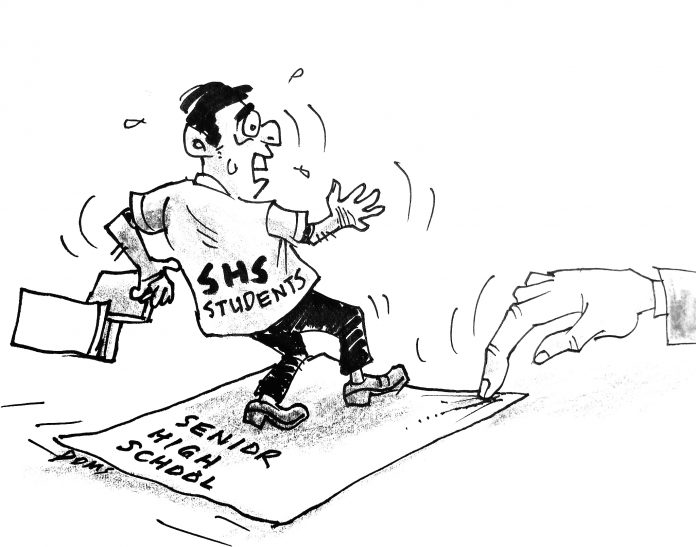
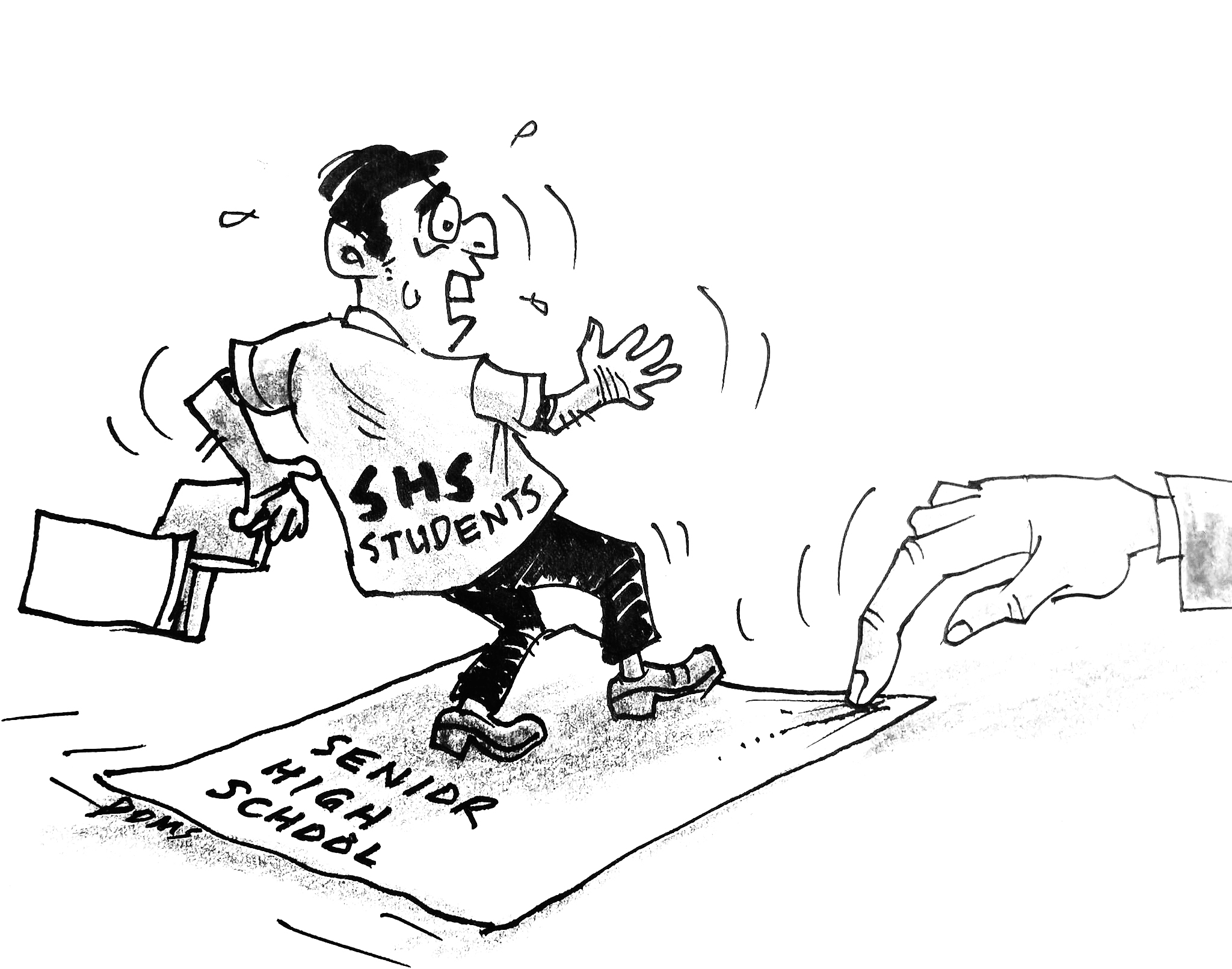
If we are to assess the potential benefits of removing Senior High School (SHS) in the Philippines, we need to comprehensively evaluate the current educational landscape. It is essential to examine the matter with tact and comprehension.

Accordingly, maintaining SHS in the Philippines enhances workforce readiness among the Filipino youth. The traditional 6-year high school system often limits students’ exposure to industry-specific skills and real-world experiences. By eliminating SHS, students can enter tertiary education earlier, disallowing them to receive the necessary training and expertise required by industries for a better-prepared workforce in various sectors.

On the other hand, removing SHS can reduce the financial burden on Filipino families. With the current K-12 system, students typically spend two additional years in Senior High School, leading to increased expenses in terms of tuition fees, books, uniforms, and transportation. By removing these two years, families would no longer have to bear the significant costs associated with SHS education. This cost savings would enable families to allocate resources towards other vital necessities or invest in higher education, thereby further enhancing the overall educational landscape.

Many students already have a clear understanding of their career goals by the end of junior high school. By shortening the secondary education years, students can commence specialized training at an earlier stage, narrowing their focus and providing them with a competitive advantage in their chosen field. Such a focused approach to education would result in a better allocation of resources, enabling students to maximize their potential and contribute effectively to society.

Removing SHS can somehow enhance the overall quality of education in the Philippines. Given the limited resources available in the country’s education system, extending schooling by two more years compromises the existing resources, including facilities, teachers, and educational materials. By reallocating these resources more efficiently, the remaining years of basic education and tertiary education can receive greater attention and investment, ensuring a higher standard of education across the board.

The advantages of removing Senior High School in the Philippines are there. However, only through prudent evaluation and careful implementation can the advantages of removing SHS be fully realized.

Home Remedies for Ailments

0
DOMS PAGLIAWAN

In a country like the Philippines, where poverty is rampant, many Filipinos find themselves in a predicament when it comes to seeking medical treatment for their ailments. Limited access to healthcare and financial constraints often force them to resort to traditional home remedies in order to address their health concerns.

The prevalence of home remedies in Filipino culture can be attributed to several factors. First and foremost, the lack of financial resources to afford medical consultation and prescription medicines drives many individuals to explore cheaper alternatives. Additionally, distance and limited access to healthcare facilities in rural areas add to the challenge of healthcare accessibility. As a result, Filipinos have long relied on traditional practices passed down through generations to address common health issues.

But the question arises as to whether these home remedies are truly effective. While some may argue that these traditional practices have been tested by time and thus hold some therapeutic value, the scientific basis and reliability of such remedies remains questionable. Unlike modern medicine, which undergoes rigorous testing and research, home remedies lack the same level of scrutiny and evidence-based validation. This casts doubts on their efficacy and raises concerns about the potential risks associated with relying solely on these remedies.

Resorting to home remedies for medical ailments perpetuates a cycle of limited progress in the healthcare sector. When individuals bypass professional medical advice and treatment, the need for accurate diagnoses and proper medication may be neglected. This has significant implications for public health, as serious conditions may go undetected or untreated, potentially leading to worsening conditions and increased healthcare costs in the long run.

On the other hand, there are instances where home remedies can be seen as beneficial and even complementary to modern medicine. Certain herbs, plants, and natural ingredients possess medicinal properties that have been recognized and utilized in alternative and integrative therapies. Integrating traditional knowledge and practices with evidence-based medicine can lead to a more holistic and personalized approach to healthcare, especially for less severe ailments.

Reliance on home remedies by Filipinos due to financial constraints and limited healthcare accessibility reflects the realities of a struggling healthcare system. It is essential for the government and healthcare institutions to invest in improving accessibility to affordable healthcare, ensuring proper regulation and education on home remedies, and promoting the integration of traditional practices with evidence-based medicine. By addressing these challenges, Filipinos can achieve a balance between embracing their cultural heritage and safeguarding public health.

Hypothetical World War III Philippine Scenario? (Part 1)

0
CLEMELLE L. MONTALLANA,DM, CESE ASSOCIATE PROFESSOR III
CLEMELLE L. MONTALLANA,DM, CESE
ASSOCIATE PROFESSOR III

In the mid-90s this writer was a college student . And one of the most popular bands then was a group good looking dudes who call themselves as Introvoys. They have this song entitled called Will I Survive? Paco Arespacochaga and Jonathan Buencamino headlines the group. That song has this Chorus ”

Tell me, will I ever survive?
Stop my tears and keep it inside
Holding back myself from being close to you

Right now the ditty evokes a sadder note , will we ever survive World War 3? Come to think of it , can we really survive when the lunatic leaders of our time lost their minds and launch Inter Continental Ballistic Missiles?

The Philippines is a country that has been experiencing strong economic growth and development in recent years. However, like any other country, it is not immune to the potential impacts of global events such as a hypothetical World War III.

While it is impossible to predict the exact course of events in such a scenario, it is possible to analyze potential outcomes and impacts on the Philippines.

According to an article by Esquire Philippines, World War III would be fought in five domains: land, sea, air, space, and cyberspace1. The use of nuclear weapons is a possibility, but it might not be necessary due to the deterrence theory and mutually assured destruction1. In the event of a global conflict, the Philippines could potentially be affected in several ways.

Firstly, the country’s economy could be impacted by disruptions in global trade and commerce. The Philippines has a vibrant economy that is supported by strong consumer demand, a growing middle class, and robust remittances2. A global conflict could disrupt these economic drivers and potentially lead to a slowdown in growth.

Secondly, the country’s security could be threatened by regional instability. The Philippines is located in a region that has several ongoing territorial disputes and potential flashpoints for conflict. In the event of a global war, these disputes could escalate and potentially draw the Philippines into the conflict.

Finally, the country’s infrastructure and population could be at risk from direct attacks or collateral damage. In a global conflict, military targets such as ports, airfields, and communication facilities could be targeted. This could result in damage to infrastructure and potential loss of life.

In conclusion, while it is impossible to predict the exact course of events in a hypothetical World War III scenario, it is clear that the Philippines could potentially be impacted in several ways. It is important for the country to continue its efforts towards economic development and security to mitigate these potential risks.

Conrad Kellog once said “The thing about happiness is that you only know you had it when it’s gone.” Let this quote be just an on line quote made fAamous by the break up songs and soap opera we hear and watch , let the Earth be as real as it can be, not a memory.

Bible alone?

0
AL ELLEMA
AL ELLEMA

For so long we have been harboring the wrong notion that Catholics do not use the bible. If we see people roaming around carrying bibles, we can be sure they are not Catholics. The practice is still true in this era and generation, for Catholics are not even required to own a bible. While other sects are using the bible in their activities, Catholics do not as they are just made to listen to the Word of God during Holy Masses. The faithful are not obliged to carry the Holy Bible during liturgies. Studying the Word of God is not part of the liturgy unlike other sects where bible reading is done as part of their activities.

While young Catholic kids are made to attend Catechism before receiving first communion, other sects expose their kids to the bible based on their misconstrued explanation of the faith. We adhere to the teaching authority of the Catholic Church and do not delve studying the bible on our own personal interpretation. Other sects are too assuming in making private interpretations and teaching the word of God to their followers without consulting the Church magisterium as to how bible is to be reflected on and understood.

It is precisely the wrong practice of reading the Bible and delving into private interpretations that do not conform to the teaching of the Catholic Church that was built and established by Jesus Christ that had caused the proliferation of many sects. The Church which Jesus Christ entrusted to Peter had been given the authority to teach the faith when the apostles were commanded to go and preach the good news. No one of the apostles was told to write the teachings. This is why the Holy Bible came much later as a compilation of product of the discernment of the Catholic Church. It was compiled from manuscripts that were scattered in different places and times.

Sects that make the Holy Bible the fundamental source of their faith and teaching are lost in their chosen path. The fundamental truth that these non-Catholic sects miss or just refuse to recognize is that the Catholic Church was established by Jesus Christ long before the Holy Bible was completed. This means that the Catholic Church had already been preaching the Good News immediately when the apostles received the command to preach which was too long before the Holy Bible came into being. This shows that not all teachings on the faith are contained in the Holy Bible as teaching begun even without the Holy Bible yet. This fact is supported in the last verse of the gospel of Saint John where it was mentioned that not all that was taught be Jesus Christ were written in the Holy Bible.

Ignorance of the Bible is ignorance of Jesus Christ according to the great theologian Saint Jerome. He it was who painstakingly gathered the various manuscripts that were included in the Holy Bible. The compilation of the sacred writings was completed with the grace and enlightenment of the Holy Spirit guiding the judgment and discernment of the Catholic Church. The Holy Bible that we now have is the product of a long and tedious process undertaken by the Catholic Church. The challenge for us Catholics is to learn our faith by knowing Jesus Christ through the Holy Bible, that Sacred Scriptures that truly belongs to us. We must be able to defend our faith against the attacks emanating from the misguided misuse of the Holy Bible by non-Catholics who make wrong interpretations in affront to the teaching authority of the Catholic Church. Divine revelation comes from three sources, church magisterium, sacred tradition and the holy bible. It is not bible alone.
comments to alellema@yahoo.com

Farmers, Agri Producers join BSP-QR Program

0
Dr. Paciente Cordero

The Digital Payments Transformation Roadmap (DPTR) of the Philippine government is on the right track with the involvement of farmers and agri producers sectors, it was announced by the Bangko Sentral ng Pilipinas (BSP). This was done formally when BSP signed a memorandum of agreement (MOA), with the Department of Agriculture-Regional Field Office-Cordillera Administration Region (DA-RPO-CAR) inviting farmers and other agricultural players to the Paleng-QR Ph Program recently.

Briefly, the afore said program promotes quick response (QR) technology as a convenient, safe, and efficient payment solution to build the collective financial resilience of more Filipinos and help them maximize opportunities through their inclusion in the formal financial system. This program will also benefit market vendors from the convenience and safety of using QR technology.

In particular, the MOA specifically outlines financial education programs to be conducted by the BSP with a focus on the effective use of digital payments in business, financial services for micro and small enterprises and consumer protection. Also, this expands the scope of Palenmg-QR Ph participants from Baguio City’s public market vendors, public transport drivers, and other merchants who joined the program in August (2022), to now include the region’s agricultural supply chain players.

MY COMMENT:

I find the BSP-DPTR program a broader approach with the inclusion of other players in the agriculture sector such as the farmers and the agri producers. Started in Baguio City, I pray that the program will spread all over the country for a more comprehensive implementation of the laudable program on digitalization.
ooo000ooo
NEXT TOPIC : “RP as EVs, batteries manufacturing hub in SEA”
SHARE S & T THOUGHTS through E-Mail: drpacjr@yahoo.com.

Recent Posts

DALMACIO C. GRAFIL
PUBLISHER

ALMA GRAFIL
EDITOR-IN-CHIEF

ROMEO CEBREROS
OFFICE IN-CHARGE

OFFICE
BRGY. SONGCO, BORONGAN CITY

CONTACT NUMBERS
(055) 261 – 3319 | 0955 251 1533 | 0917 771 0320 | 0915 897 7439 | 0921 511 0010

DALMACIO C. GRAFIL
PUBLISHER

RICKY J. BAUTISTA
EDITOR

ALMA GRAFIL
BUS. MANAGER

OFFICE
RIZAL AVENUE, CATBALOGAN
(INFRONT OF FIRE DEPARTMENT, NEAR CITY HALL)

CONTACT NUMBERS
0917 771 0320 | 0915 897 7439 | 0921 511 0010

EMAIL
lsdaily2@yahoo.com

WEBSITE
www.issuu.com/samarweeklyexpress