Cites possible dismissal for violators
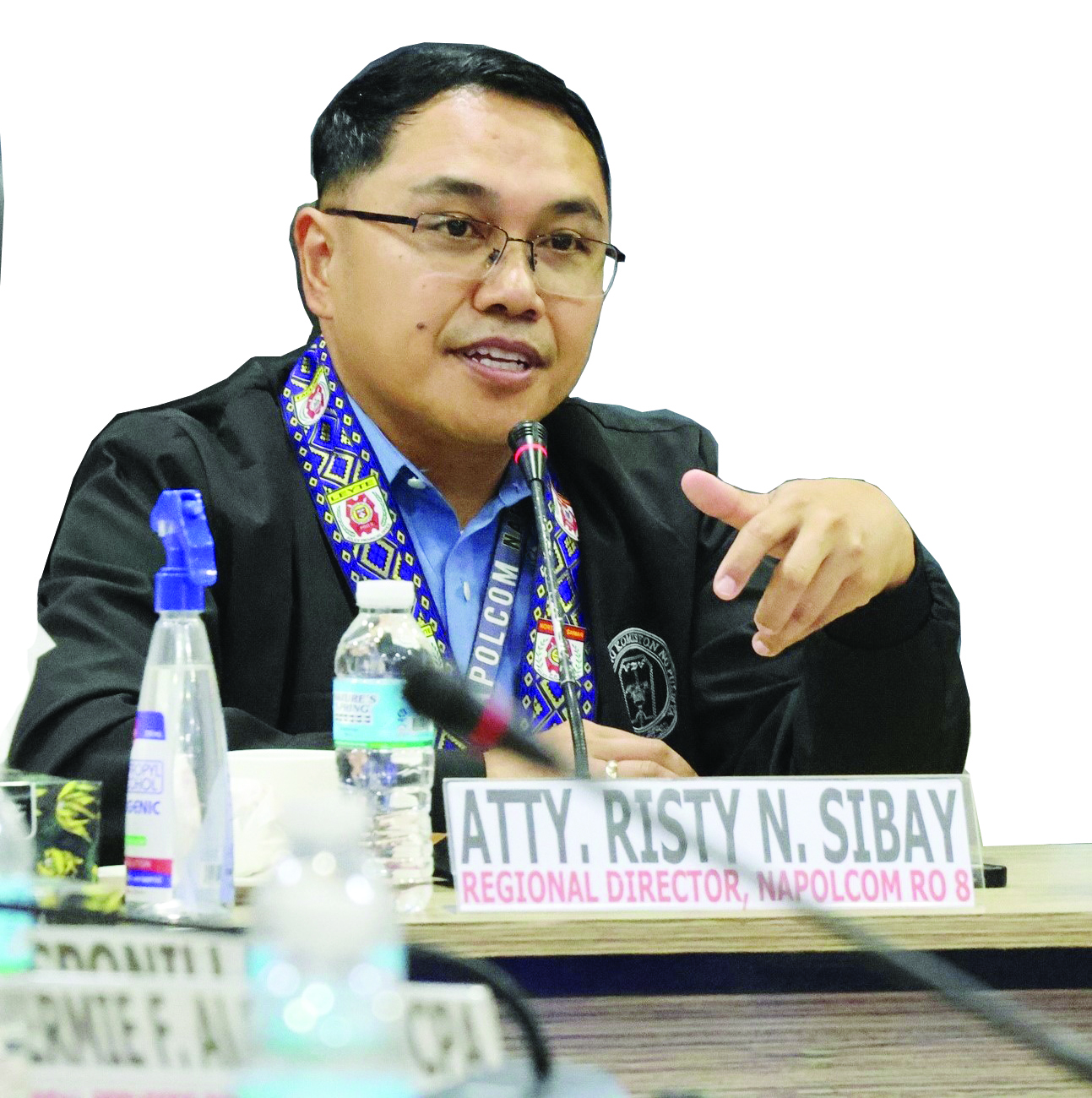
TACLOBAN CITY — The National Police Commission (Napolcom) in Eastern Visayas has reminded Philippine National Police (PNP) personnel to refrain from posting or sharing partisan political content on social media, warning that violations of existing rules on political neutrality could result in administrative sanctions, including suspension, demotion, or even dismissal from service.
Lawyer Risty Sibay, Napolcom regional director, said police officers are prohibited from engaging in partisan political activities, whether online or offline, under existing laws and ethical standards governing government employees.
“The ethical conduct of the PNP is governed by Republic Act No. 6713 and supplemented by the PNP Ethical Doctrine Manual. It is clear in these guidelines that PNP personnel should remain nonpartisan,” Sibay said in an interview.
Under Republic Act No. 6713, or the Code of Conduct and Ethical Standards for Public Officials and Employees, government workers are required to uphold political neutrality, professionalism, and integrity in public service.
Depending on the gravity of the offense, violations may lead to administrative penalties ranging from reprimand and suspension to demotion or dismissal from government service.
Despite the reminder, Sibay clarified that Napolcom Eastern Visayas is not currently investigating any police personnel for allegedly partisan social media posts.
“Based on our records, we have not received any complaints against PNP members who are supposedly involved in partisan politics,” Sibay said. “We are monitoring social media posts by our PNP personnel, but not necessarily because of partisan politics.”
He explained that social media monitoring is part of Napolcom’s regular oversight function and serves as one of the commission’s sources of information in identifying possible police irregularities and misconduct.
“The Napolcom is by law mandated to monitor and investigate police irregularities and, under our standard procedure, we are also tasked to monitor social media because one of the sources of information or complaints nowadays is social media,” he added.
Sibay noted that while no complaints involving partisan political activity have been filed, the regional office continues to investigate various administrative cases against police personnel.
According to Napolcom records, the regional office received 33 complaints during the last semester, eight of which have advanced into formal administrative cases and are currently undergoing evaluation. These cases involve allegations ranging from grave misconduct to neglect of duty.
He also emphasized that all police personnel facing complaints are guaranteed due process, with investigations conducted based on available evidence and established procedures.
The reminder comes amid heightened public scrutiny of government employees’ online activities and growing concerns over the use of social media platforms for political advocacy.
Napolcom officials reiterated that maintaining political neutrality is essential to preserving public trust and ensuring that the police service remains professional, impartial, and free from political influence.
JOEY A. GABIETA