(Photo Courtesy, Melchor Mergal)
TACLOBAN CITY — From shrimp-filled lumpia and smoked fish to seaweed salad, traditional salt, heirloom coffee and native rice cakes, the culinary treasures of Samar Island may soon find their way onto the tables of one of the Philippines’ most acclaimed restaurants.
Hapag MNL, a one-Michelin-star Filipino fine-dining restaurant in Makati City, has explored communities across Northern Samar, Samar and Eastern Samar to document local ingredients, traditional dishes and food preparation methods for a proposed 2027 menu showcasing the island’s culinary heritage.
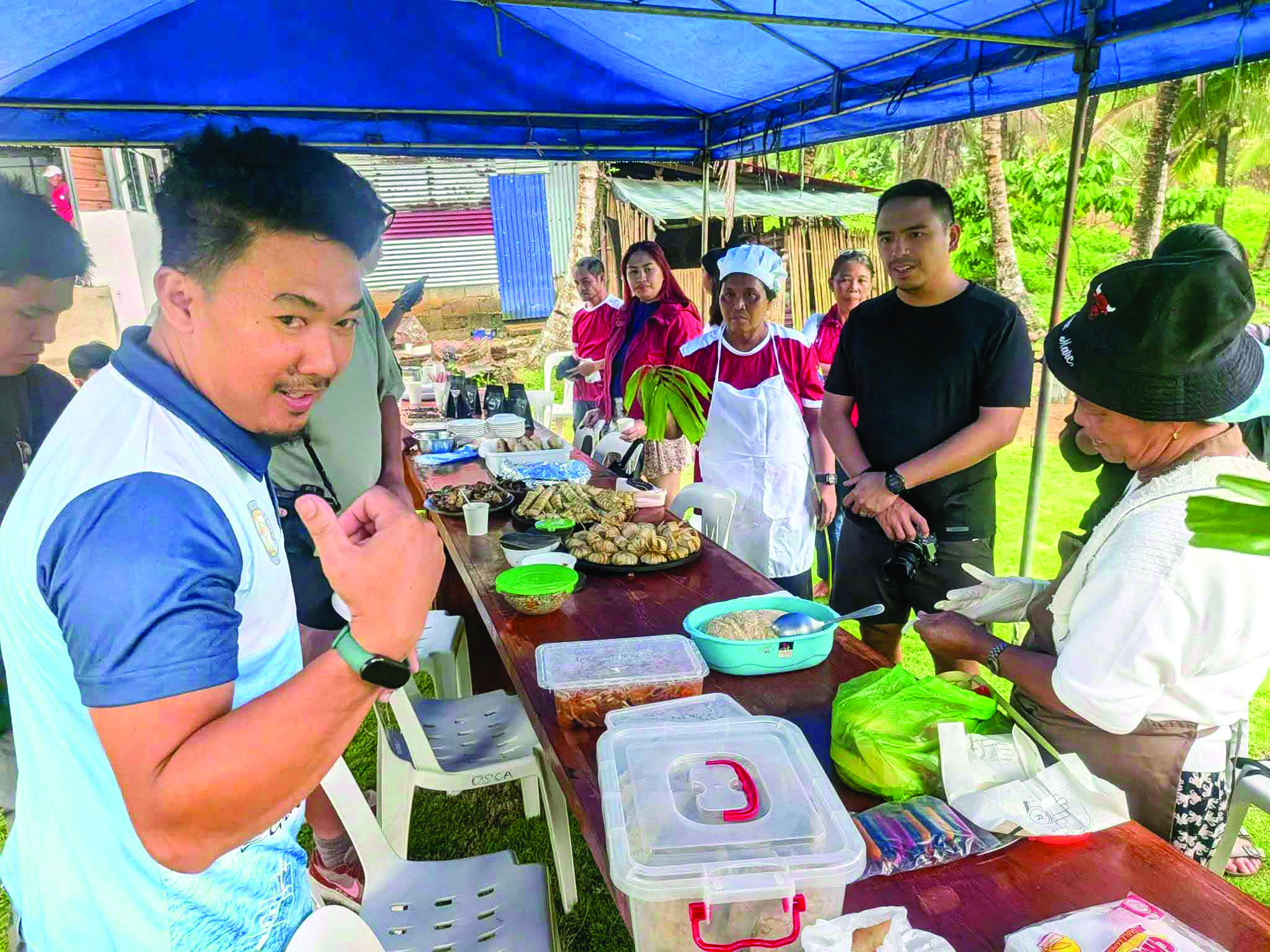
The restaurant’s culinary team conducted a weeklong food scouting visit from Oct. 12 to 18, meeting local food producers, visiting public markets, farms and aquaculture facilities, and learning from communities that have preserved traditional recipes and food-making practices through generations.
The initiative could give Samar’s homegrown food products and delicacies exposure to a wider market, particularly among diners, chefs and food enthusiasts who follow the Michelin Guide.
Hapag MNL develops a new menu every year highlighting a different Philippine region, with the ingredients, cooking techniques and culinary traditions reinterpreted through contemporary Filipino cuisine.
In Northern Samar, the team visited 13 municipalities, where it explored a wide range of local specialties, including bagungon lumpia in Lavezares, danggit-making and sinapot in Biri, pinangat in Bobon, and mazapan de pili in Allen.
Other delicacies and traditional preparations introduced to the team included kinagang and nilibasan nga manok in Mondragon, pinitpit nga palawan in San Roque, sinarungsong sa bi-as in Las Navas, nilubian nga bebe in Catubig, salukara in Palapag and podpod in Gamay. The team also visited Laoang, Catarman, San Jose and Victoria.
In Samar province, the culinary exploration included demonstrations of puto itum in Calbiga, keso-making in Gandara, and traditional tinapa and tsokolate preparation in Calbayog City.
In Eastern Samar, the group examined traditional salt production in Arteche and sampled local delicacies in Sulat, including podpod, piking and puto bagol.
One of the highlights was its visit to Salcedo, where the team sampled Tagbacan coffee, seaweed salad, ginamos, suman, sinaging, palawan and hinurno, among other local dishes.
Eastern Samar Gov. Ralph Vincent “RV” Evardone said the visit could open new economic opportunities for local food producers, particularly if the restaurant decides to include Samar products in its menu.
“Michelin-starred restaurants have a wide sphere of influence, especially among prominent individuals. If they enjoy a particular delicacy or food during their visit, they may eventually source it from local producers to supply their restaurant. They also feature the places they visit in their restaurants,” Evardone said.
He noted that such exposure could help introduce Eastern Samar’s traditional food products to a wider and more influential market, potentially creating demand for locally produced ingredients and delicacies.
In Northern Samar, the visit was initiated by Board Member Emil Nicholas Ongchuan II, who also heads the Philippine Councilors League Provincial Federation and chairs the provincial board’s committee on trade, industry and economic affairs. He assisted the Hapag MNL team throughout its culinary exploration of Samar Island.
The Northern Samar provincial government supported the activity as part of its efforts to promote local products, strengthen community-based enterprises and develop culinary tourism.
Hapag MNL earned a one-Michelin-star distinction in the inaugural Michelin Guide Manila, Environs and Cebu 2026, giving it an established platform to introduce regional Filipino cuisine to local and international diners.
For Samar’s small-scale food producers, traditional cooks and fishing communities, the possible inclusion of their products in the restaurant’s 2027 menu could mean more than culinary recognition. It could provide opportunities to preserve heirloom recipes, expand markets for indigenous products and make the island’s food heritage a stronger draw for tourism.
(JOEY A. GABIETA)