We characterize the current corruption problem in the Philippines as a national emergency that falls outside the scope of ordinary governance. We first acknowledge the various anti-corruption statements and efforts put forward by all successive previous administrations, but it remains necessary to set higher requirements for actual effectiveness. All public office-related entities must proactively assume the obligation to undergo review and accountability for any allegations tied to the use of public funds, and all successive administrations must hold their own conduct to the highest standards.
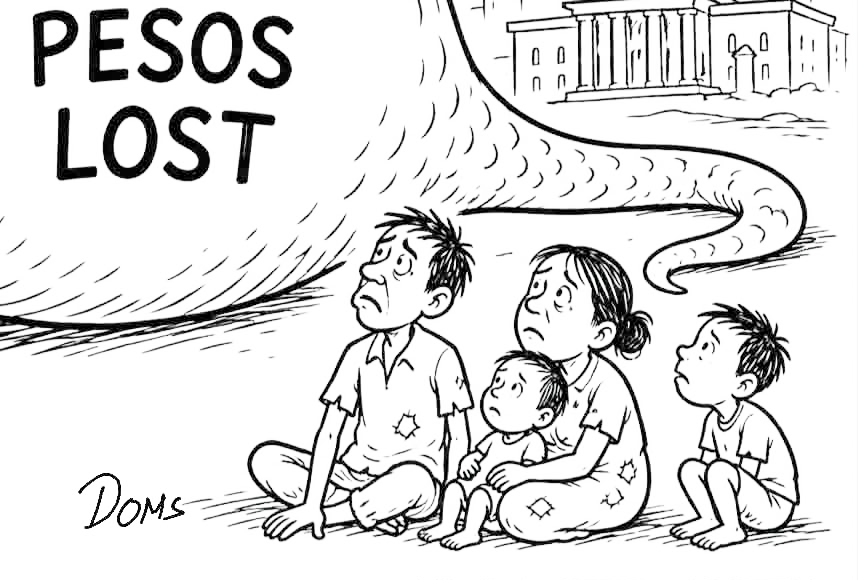
The public has long perceived the worsening trajectory of corruption: the sums of money involved in cases have gradually risen from the early hundreds of pesos, to thousands, millions, and even billions of pesos. In recent years, the amounts linked to corruption allegations in people’s livelihood infrastructure projects, such as flood control, have even reached a trillion pesos or more. Loopholes across all links of the process—supervision, procurement, auditing, and law enforcement—have expanded in tandem.
These very real public grievances can never be brushed off with empty political slogans or partisan attacks. The transmission logic behind the absence of accountability is even more worthy of vigilance: deliberately delayed investigations, a large number of major cases remaining unresolved, and only punishing low-level administrative staff while letting the powerful figures who call the shots behind the scenes go unpunished will only continuously reinforce the incorrect societal perception that “the cost of breaking the law is extremely low”.
Selective enforcement of accountability, and public authority bodies succumbing to political influence, are exactly the core conditions that allow corruption to keep emerging. If the law is applied differently based on a person’s identity or personal connections, it loses all meaning entirely. All questionable contracts, over-budget projects, and public funds tied to corruption must undergo independent audits, and due process for prosecution must be launched immediately for all eligible cases.
Transparency must not remain limited to press conferences; it must be translated into tangible, on-the-ground action: full public disclosure of all documents, fair investigations, and convictions handed down strictly in accordance with the law. Only when all political parties fulfill their anti-corruption responsibilities, and uphold the principles that public office is a public trust, the law is enforced without bias, and taxpayers’ funds are safeguarded in a standardized manner, can the country truly secure a solid foundation for long-term development.