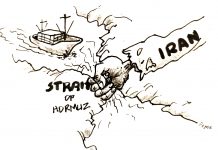
The day oil prices surged again after fresh tensions in the Middle East, jeepney drivers across the country were already bracing for another round of fare debates before breakfast. I felt it immediately—not just at the pump, but in the quiet dread of what else would follow. These are unstable times, and pretending otherwise is a luxury no one can afford.
I have learned to read the signs not from headlines alone, but from ordinary places: the market vendor quietly reducing the size of her portions, the tricycle driver counting coins twice before handing change, the longer lines at remittance centers. When global conflicts erupt, they do not stay confined to distant deserts or diplomatic halls; they find their way into kitchens, wallets, and daily routines. The instability is not abstract—it is intimate. It presses on decisions that used to feel simple, like what to cook for dinner or whether to take a short trip out of town.
Because of this, prudence is no longer optional; it is survival. Spending now demands a kind of discipline that feels almost old-fashioned. The difference is that this time, it is not about saving for the future—it is about enduring the present. I have found myself asking harder questions before every purchase: Is this necessary, or is it just a habit? Convenience has become expensive, and indulgence, even in small forms, quietly accumulates into something heavier than expected.
There is also wisdom in staying away from places that tempt spending. Malls, cafés, and even casual gatherings now carry hidden costs that add up quickly. It is not about denying enjoyment, but about recognizing how easily money slips away in environments designed to make spending feel effortless. The discipline to say no—to step back, to stay home, to find contentment in quieter spaces—has become a form of resistance against the pressures of uncertain times.
Even food, something once associated purely with comfort, now demands restraint. Overconsumption is no longer just a health concern; it is also an economic one. Portions matter. Waste matters. The habit of taking more than what is needed, whether out of appetite or impulse, feels increasingly irresponsible. There is a quiet dignity in moderation, in knowing when enough is truly enough.
Health, too, has taken on a sharper urgency. Illness is no longer just a personal inconvenience; it is a financial threat. Hospital bills today can undo years of careful saving in a matter of days. That reality changes behavior. It encourages rest over recklessness, caution over carelessness. Avoiding harmful habits is no longer framed as moral advice—it is practical wisdom. Staying well is one of the few defenses still within reach.
In this climate, productivity becomes a form of security. Growing vegetables, tending small gardens, or finding ways to produce rather than merely consume offers both relief and reassurance. Something is grounding about planting food and watching it grow under one’s care. It restores a sense of control in a time when so much feels dictated by forces far beyond reach. Even small efforts—herbs in pots, a few rows of greens—carry meaning beyond their yield.
These times are uncertain, and no amount of planning can fully shield anyone from their effects. But there is a quiet power in choosing restraint over excess, discipline over impulse, and effort over passivity. The world may remain unpredictable, but the way one responds to it need not be.