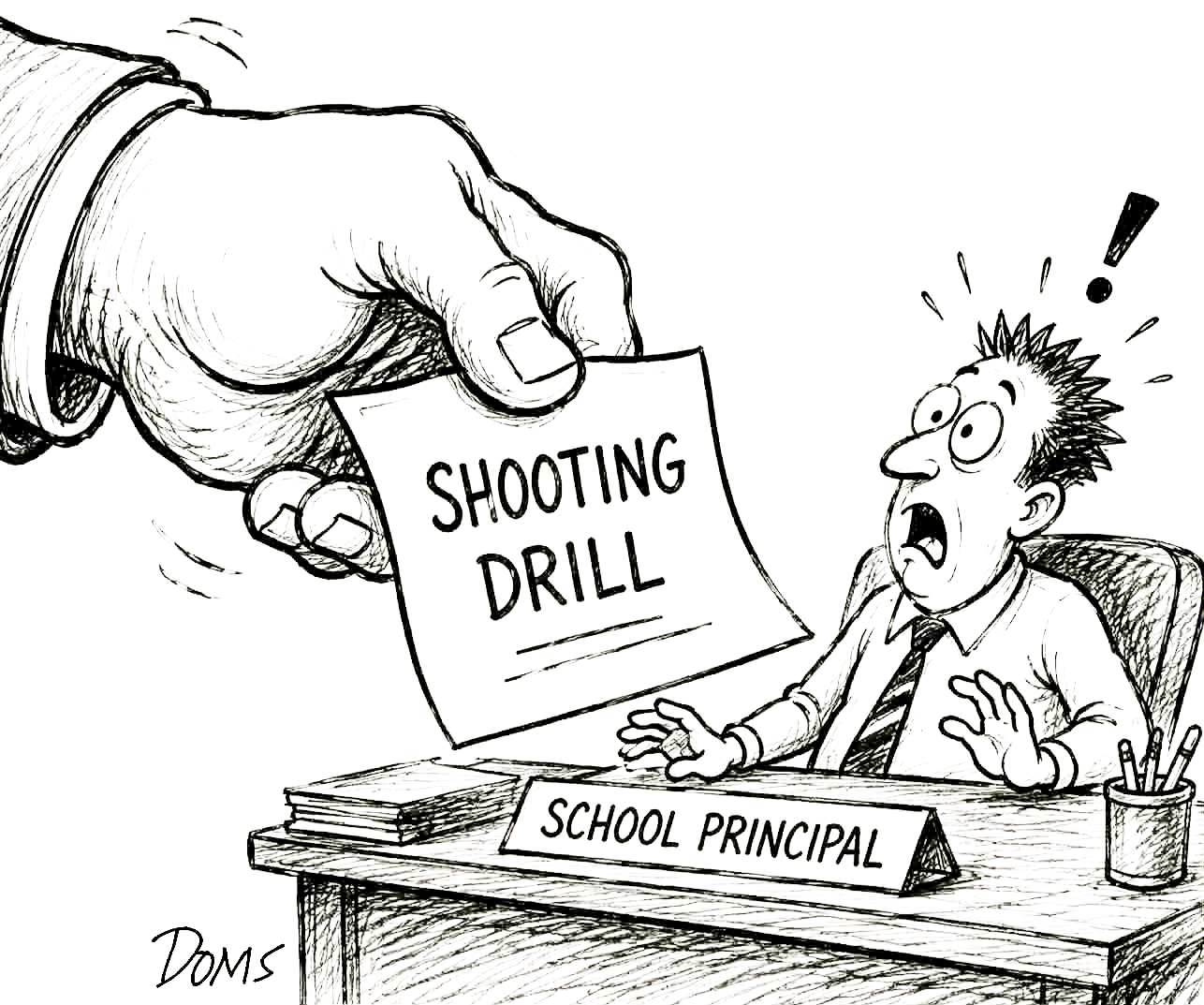
For a long time, the Philippines has viewed school shootings as a unique problem that only occurs in other countries. The safety plans for its domestic schools were only developed to prepare for natural disasters such as typhoons, earthquakes, and fires, and regular earthquake and fire drills are held every year.
However, the string of gun-related violent incidents that recently occurred on a local campus has fully exposed a serious gap in schools’ capacity to respond to armed attacks. The lethality of this gap cannot be underestimated: in school shooting cases, chaos is the core driver that pushes up casualties. Teachers and students without pre-established response plans are highly likely to take incorrect escape routes and waste the precious window of time to seek safety.
Casualties caused by panic are no less severe than those inflicted by bullets themselves, and unplanned instinctive reactions will greatly expand the scale of the tragedy. In response to concerns that introducing active shooter drills would spread fear among children, we must clarify that the fire and earthquake drills long accepted by the public have never triggered the corresponding disasters. The logic that “preparing for a disaster equals inviting it” is completely untenable.
The core purpose of drills is to train students’ survival literacy; unplanned, sudden fear is the real harm. We call on the Philippines’ school governing authorities, the Department of Education, and local governments to take immediate action while the warning effect of these incidents remains salient, to complete three tasks: formulating clear response procedures, training teachers, and teaching age-appropriate response plans for armed threats.
Integrating school shooting response into the campus safety system is a responsibility that must be fulfilled, not an optional choice. Campus safety must address both natural-disaster risks and man-made violent risks simultaneously to protect students and the entire school community.