To boost renewable energy supply
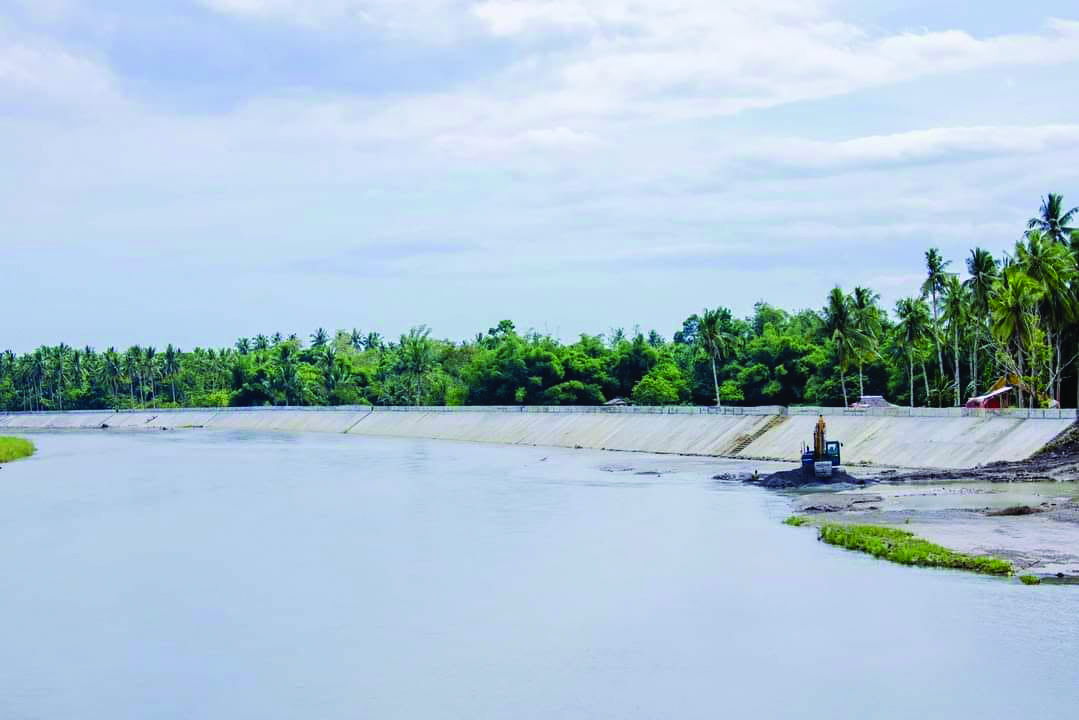
TACLOBAN CITY – A proposed hydropower facility along the Marabong River system in Burauen, Leyte could soon provide a new source of renewable electricity for thousands of consumers served by the Don Orestes Romualdez Electric Cooperative (Dorelco), as the electric cooperative pursues efforts to strengthen energy security and reduce reliance on fossil fuels.
The project, a partnership between DORELCO and Cebu-based Energy & Building Applications Technologies Corporation (EBATECH), is expected to generate up to 5 megawatts of electricity by harnessing the natural flow of the Marabong River in Barangay Logsongan.
Representatives of Dorelco and EBATECH presented the proposed development to local officials during a meeting on June 15 with Burauen Mayor Fe Renomeron, outlining the project’s technical features, potential community benefits, and contribution to the region’s renewable energy goals.
Dorelco General Manager Christopher Garcia said the river system has been identified as a viable site for a small-scale hydropower facility that could help address the growing electricity requirements of communities within the cooperative’s franchise area.
“With increasing demand for electricity, this development has the potential to provide a more reliable and renewable source of power for our coverage area,” Garcia said in an online interview.
The facility is projected to have an initial generating capacity of about 5 megawatts, which could improve power supply reliability and support future economic growth in several municipalities in Leyte.
Garcia said the project complements Dorelco’s long-term strategy of securing cleaner and more sustainable energy sources for its member-consumers while supporting the national government’s renewable energy agenda.
The proposed facility is targeted for completion and commercial operation by 2027, although detailed engineering studies, regulatory approvals, and investment arrangements are still being finalized.
The project cost has yet to be determined, Garcia said.
The Marabong River hydropower initiative is part of broader efforts by electric cooperatives and local governments nationwide to invest in renewable energy technologies amid increasing power demand and concerns over energy sustainability.
The Department of Energy has been promoting the development of indigenous renewable energy resources, including hydropower, solar, wind, and geothermal projects, to enhance energy security, reduce dependence on imported fuels, and stabilize electricity costs.
If realized, the hydropower project would add to Leyte’s growing portfolio of renewable energy facilities and further strengthen the province’s role as one of the country’s major renewable energy centers, which already hosts significant geothermal power operations.
Dorelco currently serves more than 110,000 member-consumers across 12 municipalities in Leyte, including Burauen, Abuyog, Dulag, and Tanauan, where electricity demand continues to increase alongside population growth and economic activity.
JOEY A. GABIETA