Could result in environmental degradation
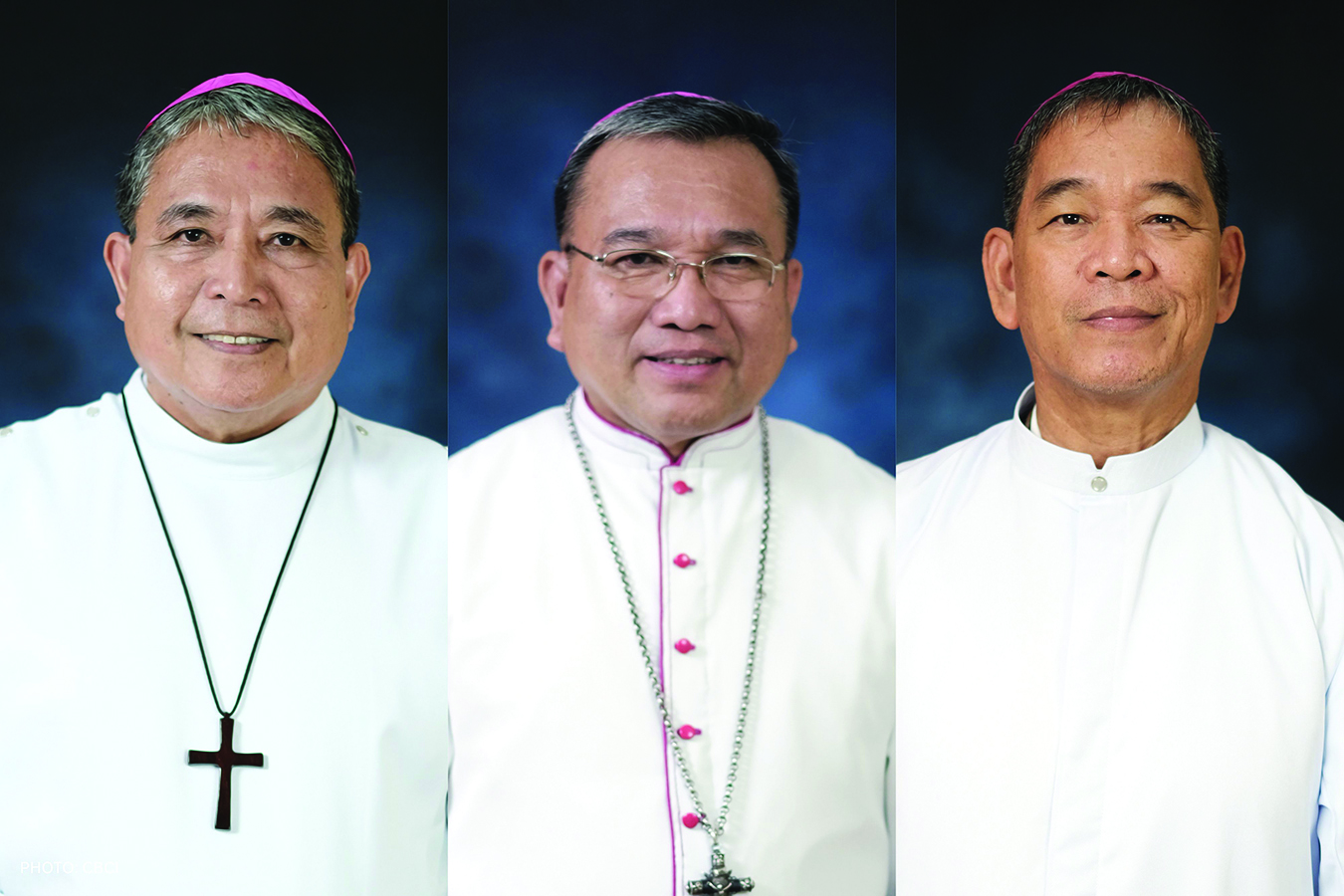
TACLOBAN CITY — The three bishops of Samar Island have thrown their support behind a call for local governments in Giporlos and Balangiga, Eastern Samar, to oppose mining activities amid concerns that a recently approved mineral exploration permit could eventually pave the way for large-scale mineral extraction.
The call was contained in a pastoral position statement issued by the Diocese of Borongan and formally endorsed by the Samar Island Partnership for Peace and Development (SIPPAD), a regional peace and development network.
In the statement dated July 23, 2026, the Diocese of Borongan, through its Diocesan Commission on Social Action–Justice and Peace (DCSA-JP), urged the Sangguniang Bayan of Giporlos and Balangiga, as well as their respective barangay councils, to pass resolutions opposing mining activities within their jurisdictions.
The appeal followed the approval by the Mines and Geosciences Bureau (MGB) of Exploration Permit No. EP-2026-001-VIII, covering approximately 902.99 hectares in portions of the two municipalities.
The diocese acknowledged that the permit authorizes mineral exploration, not commercial mining or mineral extraction. However, it said exploration could mark the beginning of a process that may eventually lead to mining operations, making it necessary for local governments and communities to clearly express their position at the outset.
The issue has raised concern in the two municipalities. Giporlos Mayor Gilbert Go has clarified that there is currently no mining operation in his town and that the permit issued to the company covers exploration activities only. He also said any future application for actual mining would still have to comply with legal, environmental and consultation requirements.
The Diocese of Borongan said its position was shaped in part by the experiences of communities in Homonhon and Manicani islands, Bagacay and other areas of Samar Island where mining and mineral exploration have been the subject of long-standing environmental and social concerns.
Homonhon Island in Guiuan, Eastern Samar—historically known as the first Philippine landfall of Ferdinand Magellan in 1521—has existing mining operations and has remained part of the broader debate over the environmental and social impacts of extractive activities in the province.
The diocese warned that mining could result in the degradation of forests and watersheds, contamination of rivers and coastal waters, the loss of agricultural and fishing areas, increased risks of erosion, flooding and landslides, and social conflict among affected communities.
It also stressed that Eastern Samar, one of the country’s most typhoon-prone provinces, should give priority to protecting its natural ecosystems, which help shield communities from disasters and support the livelihoods of farmers and fisherfolk.
The pastoral statement called on local government officials, civil society organizations, faith communities, farmers, fisherfolk, Indigenous Peoples, youth groups and other stakeholders to work together in pursuing development that protects the environment, respects human dignity and promotes the common good.
Citing Pope Francis’ encyclical Laudato Si’, the diocese said authentic development should not be measured solely by economic growth but also by its impact on people, the environment and future generations.
SIPPAD formally endorsed the pastoral position statement during a gathering at Ibabao Hall of the Northern Samar Provincial Capitol in Catarman.
The endorsement was signed by the three Catholic bishops of Samar Island—Bishop Isabelo C. Abarquez of the Diocese of Calbayog, Bishop Crispin B. Varquez of the Diocese of Borongan, and Bishop Nolly Camingue Buco of the Diocese of Catarman.
SIPPAD said it supports the call for the municipal and barangay councils of Giporlos and Balangiga to adopt resolutions opposing mining activities, stressing that development should not come at the expense of ecological integrity, human dignity and community welfare.
The group also cited the experiences of Homonhon, Manicani and other communities affected by or facing proposed mining activities, saying these demonstrate the potential long-term environmental and social consequences of extractive industries.
SIPPAD urged local government units across Samar Island to adopt policies that protect the environment, preserve the island’s natural heritage and safeguard the welfare of present and future generations.
ROEL T. AMAZONA