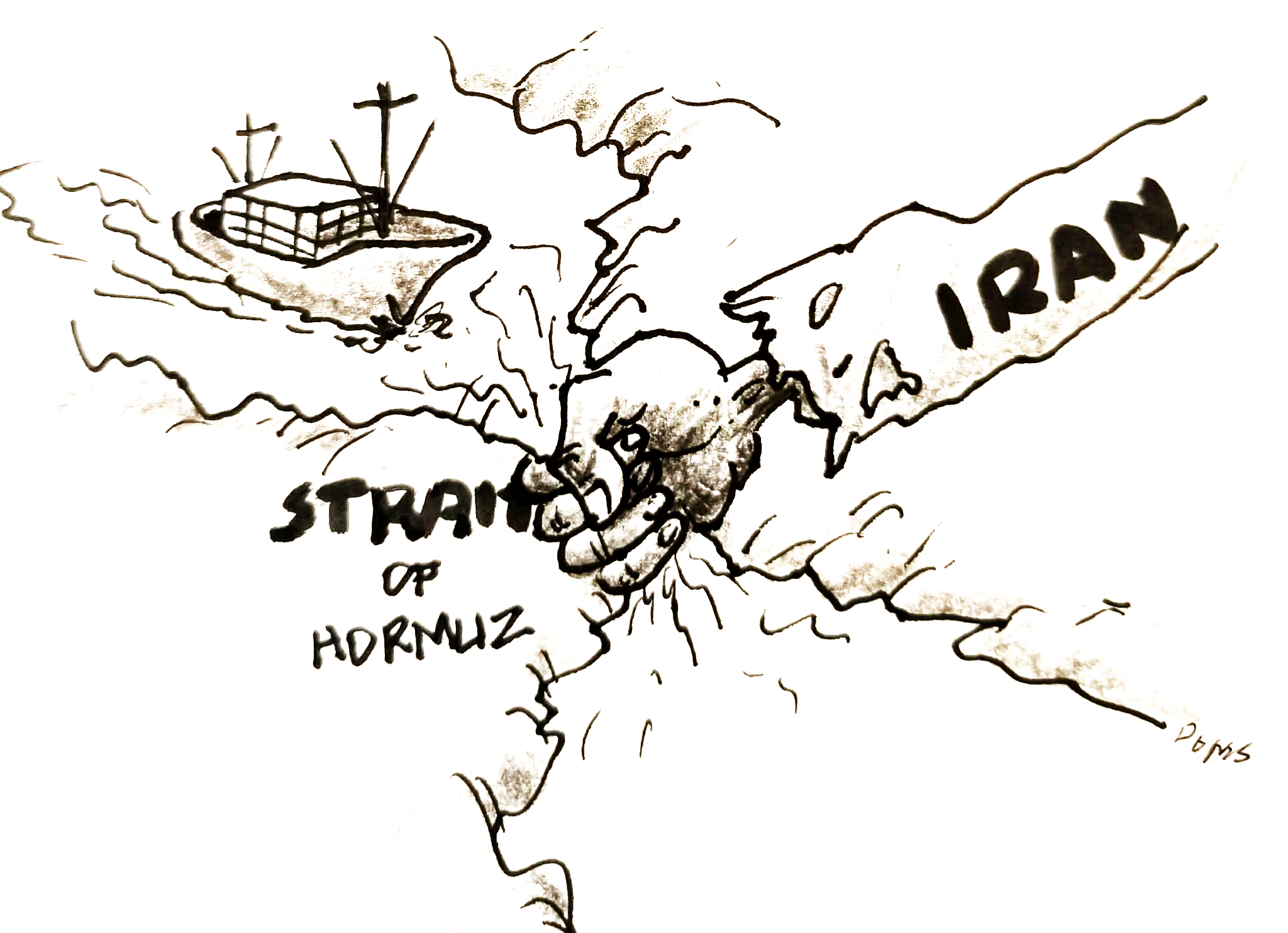
The decision of Iran to close the Strait of Hormuz in response to US-Israeli attacks is a grave escalation with consequences far beyond its immediate adversaries. Such action is not only disproportionate but also unjustly punishes nations that have no direct role in the conflict.
The Strait of Hormuz is not an ordinary passageway; it is a vital artery through which a significant portion of the world’s oil supply flows. By shutting it down, Iran effectively disrupts global energy stability, sending shockwaves through economies already struggling with inflation, supply chain disruptions, and fragile recoveries from recent crises. This move transforms a regional conflict into a global burden, with even neutral and developing nations bearing the costs of rising fuel prices, higher transportation expenses, and higher living costs.
Iran’s grievance against the United States and Israel, whether justified or not, does not extend to the rest of the international community. Countries in Asia, Africa, and parts of Europe rely heavily on uninterrupted oil shipments through this route. To restrict access is to impose collective punishment on populations that have neither participated in nor supported the actions that triggered the conflict. Such a strategy risks isolating Iran diplomatically and eroding any remaining goodwill among nations that might otherwise advocate for restraint and dialogue.
Moreover, the closure invites dangerous retaliation and heightens the risk of a broader military confrontation. Global powers cannot afford to ignore a blockade of this magnitude, given its direct impact on their economic security. This increases the likelihood of further militarization in the region, drawing more actors into an already volatile situation. Instead of strengthening its position, Iran may find itself facing a coalition determined to reopen the strait by force, thereby worsening the very insecurity it seeks to address.
Iran must exercise prudence and reopen the Strait of Hormuz without delay. Strategic patience, not sweeping disruption, is the more effective path in asserting national interests while avoiding unnecessary global harm. The world is not its enemy, and it should not be treated as collateral damage in a conflict that demands precision, restraint, and responsibility.