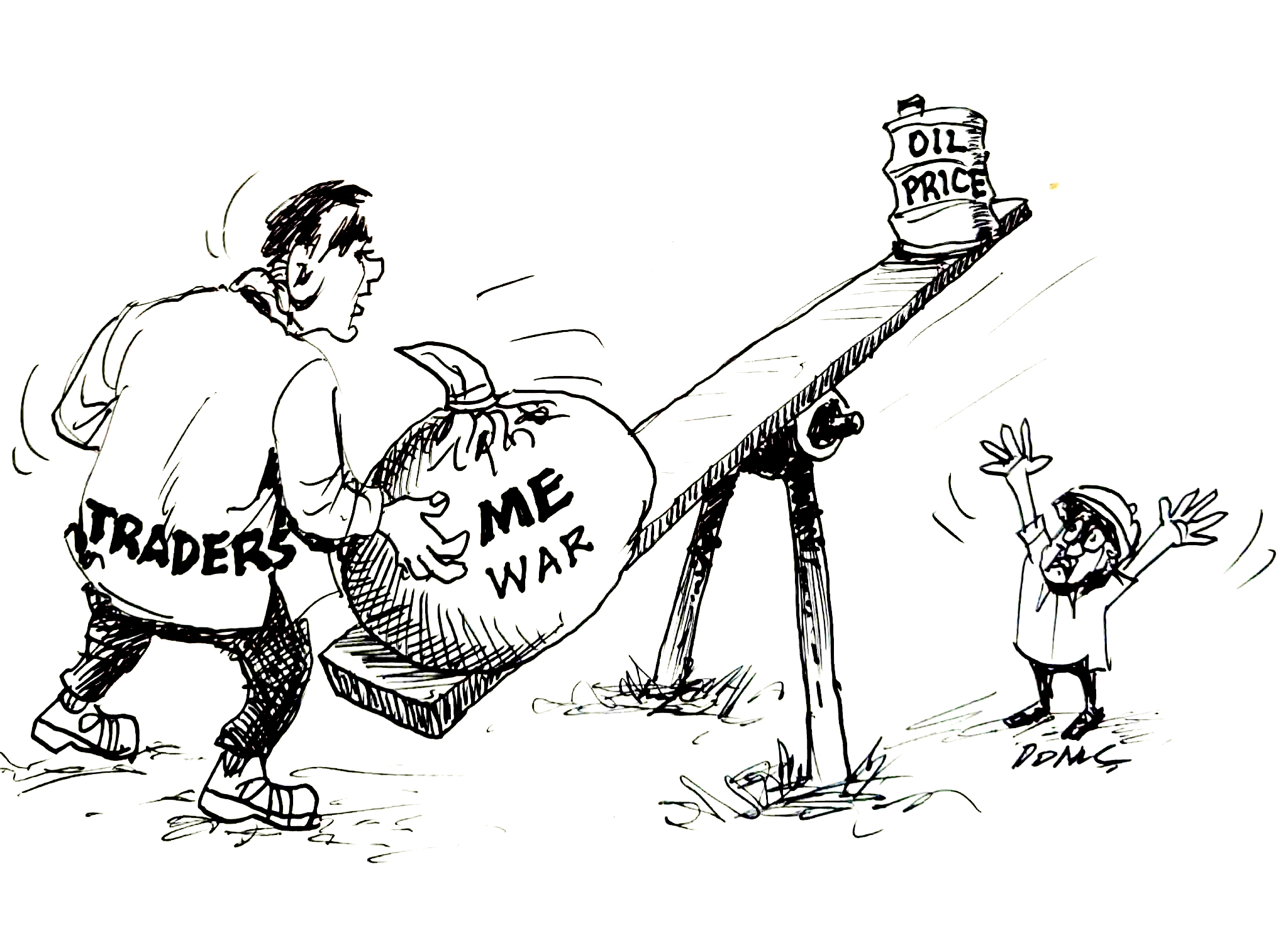
Global oil price hikes are once again pushing ordinary citizens to the brink, yet the government’s response remains slow and inadequate. This cannot continue; decisive, coordinated, and corruption-free action is urgently required.
Fuel prices affect nearly every aspect of daily life, from transportation to food production. When oil prices rise, the cost of goods and services inevitably follows, placing the heaviest burden on low- and middle-income households. Public transportation fares increase, electricity costs climb, and basic commodities become less affordable. These are not abstract economic shifts but real pressures that reduce families’ capacity to meet even their most basic needs. The government cannot afford to treat this as a routine fluctuation; it is a national concern that demands immediate intervention.
Concrete measures must be implemented without delay. Fuel subsidies targeted at public utility drivers, farmers, and fisherfolk can help stabilize essential sectors. Temporary reductions in fuel taxes, particularly excise taxes, should be seriously considered to provide immediate relief. At the same time, strict monitoring of oil companies and retailers must be enforced to prevent opportunistic pricing and profiteering. These steps are not new, but their consistent and disciplined implementation has often been lacking.
Equally important is the need for genuine coordination among government agencies. Economic managers, energy regulators, transport authorities, and social welfare departments must act in unison, guided by a clear and shared objective. Fragmented responses only weaken the overall effort and allow the problem to worsen. This is also the moment to set aside political maneuvering. Public office is a responsibility, not an opportunity for personal gain. Any hint of corruption or misuse of funds in the face of this crisis is not only immoral but a direct betrayal of the people.
In the longer term, the country must reduce its vulnerability to global oil shocks. Investments in renewable energy, improvement of public transportation systems, and support for local industries are essential to building resilience. However, these structural reforms will take time. What is needed now is firm, honest, and focused leadership—leadership that understands the urgency of the situation and responds with action, not excuses.
The government must act with seriousness and unity, placing the welfare of the people above all else. Immediate relief, strict enforcement, and long-term planning must move together. Anything less is a failure of duty at a time when the nation’s survival demands nothing short of full commitment.