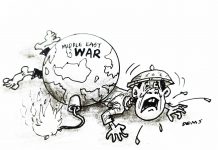
Oil prices begin to climb the moment war intensifies in the Middle East, and the tremor is felt immediately in countries that import fuel. When that happens, every bus fare, market delivery, and electric bill slowly follows the same upward path. That is precisely why this moment demands one thing from ordinary households: restraint and careful living.
I have seen this pattern before. Whenever conflict erupts in that volatile region, the global oil market reacts almost instantly because a large share of the world’s petroleum supply passes through the Strait of Hormuz. The Philippines, which imports most of its fuel, cannot escape the consequences. Once pump prices rise, transportation costs climb, food prices creep up, and the daily rhythm of family spending feels heavier. The crisis may be thousands of miles away, but its shadow falls quietly across the kitchen table.
In moments like this, the first practical adjustment is movement. Not every errand requires gasoline, and not every trip demands an engine. Walking to nearby places and riding a bicycle for short distances suddenly regained their old importance. A bicycle leaning against the wall becomes more than a childhood relic; it becomes a small declaration that survival does not always require a full tank of fuel. Many of the world’s most disciplined societies rely on this habit even in prosperous times. It would not hurt if families here rediscovered it.
Another habit worth reviving is the quiet art of planting food. A few tomato vines behind the house, a row of pechay beside the fence, or eggplants growing in recycled containers may look modest, but they reduce dependence on expensive market produce. Vegetable gardening is not a romantic hobby; it is a practical response to rising food costs. Every harvest gathered from one’s backyard is a purchase that no longer needs to be made at the market.
At the same time, households must rethink what truly deserves a place in the shopping cart. Difficult times reveal the difference between necessity and impulse. Gadgets that entertain for a few weeks, clothes that crowd the cabinet, and decorative items that gather dust do little to strengthen a family’s stability. When the economy becomes uncertain, every peso must justify its existence.
Saving money also begins with small, disciplined habits inside the home. Lights left on in empty rooms, appliances left plugged in all day, and water running longer than necessary may seem trivial, yet they quietly drain resources month after month. The wisdom of previous generations often rested on simple rules: waste nothing, repair what can still be used, and stretch every resource as far as possible. Those old habits were born from experience, not nostalgia.
What strikes me most is how crises often remind people of skills that modern comfort has pushed aside. Cooking at home instead of ordering takeout, fixing broken items instead of discarding them, and sharing resources within the family were once ordinary practices. They now return not as burdens but as practical shields against uncertainty. There is something steadying about rediscovering these small acts of self-reliance.
If the war continues to escalate, the economic ripple effects will intensify. The wise response is not panic but preparation. Families that begin tightening their spending, planting food, reducing fuel use, and setting aside savings will face the coming months with far greater confidence. In uncertain times, careful living becomes the quiet strength that keeps a household standing.