30.8 C
Tacloban City
April 05, 2026 - Sunday | 12:22 PM
Home Blog Page 883

Expectations for 2024

0

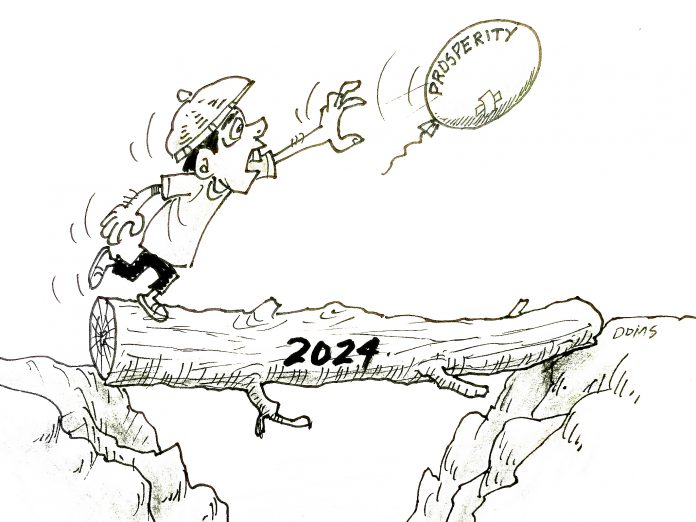
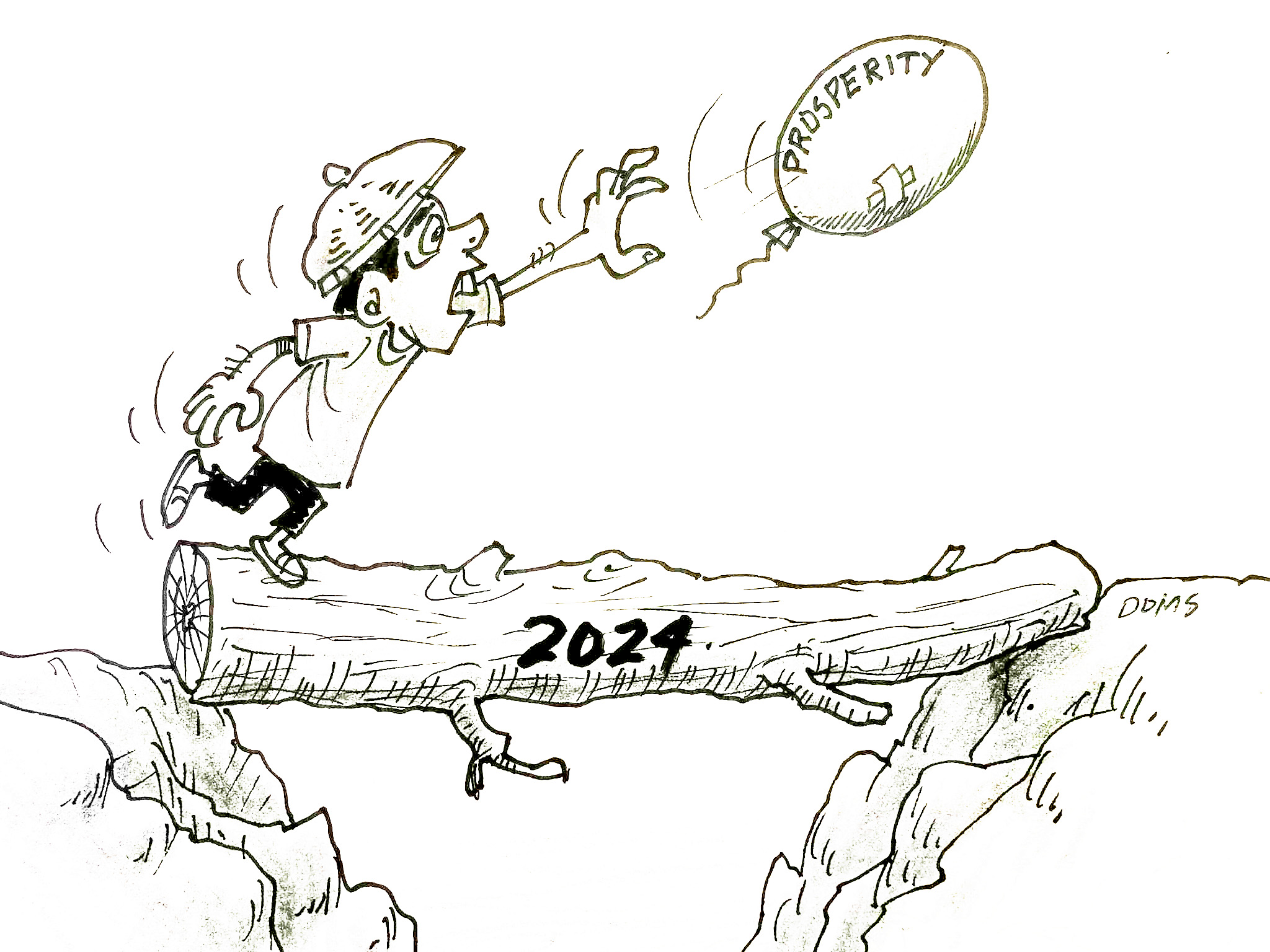
As we approach the year 2024, our country finds itself at a crucial juncture in its journey toward progress and development. What are the expectations that lie ahead for the nation, taking into account various socio-political and economic factors? We may examine three main aspects: governance and political stability, economic growth and sustainability, and societal progress and inclusivity.

One of the primary expectations is an entrenched culture of good governance and political stability. We understand that effective leadership and stable institutions are crucial for a nation’s progress. The coming years should witness further efforts to combat corruption, improve the rule of law, and strengthen democratic processes. By fostering a transparent and accountable government, the country can attract foreign investments and ensure the efficient delivery of public services, consequently boosting the confidence and trust of its citizens.

Somehow, we look forward to enhanced economic growth and sustainability by 2024. The government should prioritize and invest in strategic sectors, such as infrastructure development, technology and innovation, and the promotion of inclusive economic policies. Efforts to foster entrepreneurship and attract both local and foreign investors will be vital in generating sustainable job opportunities, reducing poverty, and achieving a more equitable distribution of wealth. Furthermore, sustainability must be at the core of economic policies, considering both environmental conservation and social responsibility in all development initiatives.

We can also expect significant progress and a more inclusive environment by the year 2024. Social cohesion and equal opportunities for all are so important. Greater emphasis should be placed on education, healthcare, and social welfare to address persistent inequalities. Ensuring access to quality education and healthcare facilities, especially in marginalized areas, will contribute to a more empowered and productive citizenry. Moreover, policies promoting gender equality, diversity, and social justice should be pursued, fostering a more inclusive society where everyone’s welfare is considered and protected.

These, among others, are the inevitable expectations for the Philippines in 2024. These expectations reflect the aspirations of our nation striving for progress and development, envisioning a better future for its citizens in the years to come.
Resorting to home remedies

0
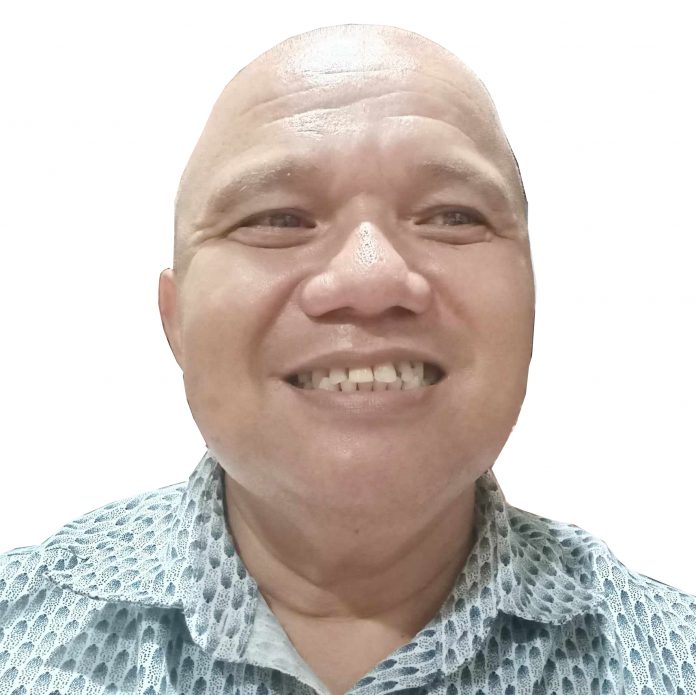
DOMS PAGLIAWAN

Home remedies for ailments have been passed down through generations, representing an ancient wealth of knowledge that has stood the test of time. Such remedies, rooted in traditional healing practices, offer unique insights into the intelligence of our ancestors and often provide effective relief for various ailments.

The use of home remedies can be traced back to ancient civilizations, where healers relied on nature’s abundance to address ailments. From Ayurveda in India to Traditional Chinese Medicine, these medicinal systems placed much emphasis on the body’s innate ability to heal itself. Home remedies encapsulate the cultural heritage and wisdom of our ancestors, serving as a testament to the knowledge accumulated over centuries.

At the core of home remedies is the belief in a holistic approach to healing. Home remedies often recognize the interconnectedness of the mind, body, and environment, focusing on the root cause rather than solely alleviating symptoms. By utilizing natural substances and techniques, these remedies aim to restore balance within the body, promoting overall wellness.

While modern medicine has undoubtedly revolutionized healthcare, it is worth acknowledging the effectiveness of home remedies in addressing certain ailments.

Evidence-based studies have shown the positive impact of various household ingredients such as honey, garlic, and turmeric in combating common ailments like colds, sore throat, and skin conditions. These remedies exhibit antimicrobial, anti-inflammatory, and antioxidant properties, lending credence to the ancient wisdom they embody.

Home remedies embody cultural traditions, acting as a bridge between generations and preserving our shared history. These remedies offer a sense of cultural identity and connection to one’s heritage, forming an integral part of communities worldwide.

Recognizing the value of these remedies promotes cultural understanding and appreciation, fostering inclusivity and respect for diverse healing traditions.

Home remedies and modern medicine can coexist harmoniously. While conventional medical treatments excel in acute and critical conditions, home remedies excel in promoting preventive care, maintaining well-being, and managing minor health issues. Embracing the wisdom of both approaches allows for a comprehensive healthcare system, capitalizing on the strengths of each.

While home remedies offer numerous benefits, it is essential to approach them with caution and seek expert guidance when needed. Not all remedies are suitable for every individual or circumstance, and some may even pose risks if used incorrectly. Consulting healthcare professionals, herbalists, or traditional healers can ensure that the chosen remedies align with specific needs and considerations, providing the most effective and safe outcomes.
The wisdom encapsulated within home remedies for various ailments is an invaluable testament to the intelligence and comprehension of our ancestors. As we begin to appreciate the ancient cultures from which these practices emerged, it becomes clear that home remedies offer unique insights into a holistic approach to healing. We can actively embrace the wisdom of these remedies while navigating the complex landscape of modern healthcare.

God’s promise

0
AL ELLEMA
AL ELLEMA

As we begin a new year, we are reminded of the basic commandment to love our fathers. Doing so assures us of our reward that God promised us. Apt is this day to remind all and sundry of the basic tenet about loving fathers. Many times people tend to disregard fathers and altogether forget about loving them. Their presence in our midst makes living normal and easy and we fail to feel the importance of their being.

Without them, we would not have been into this world. They were the instruments that God has chosen in His grand plan of procreation. The role of the father in the procreation is very much vital that life will never be sustained over generations without their share and contribution to life.

Man was sent forth by God to go to the world and multiply. The commandment is without qualification or any form of condition. But man was given the free will to do what is right and in his rationale discernment must exercise responsibility of his acts. With procreation is the great responsibility of providing support to the offspring that couples may beget in the sacred union of marriage. Such is the great responsibility placed upon all fathers who cares and loves for all of God’s creations.

But the commandment to love fathers is similarly unqualified and unconditional. We are called by God to love our father and show them respect. Such is our responsibility too, and we must do so without any qualifications or conditions. We are to love our father whatever they may be. No less than Jesus Christ had taught us by example how to love our father. He showed us the goodness of a respectful and obedient child so that we may have a model to emulate.

At times we thought that only those who are good deserve to be loved. With this mindset, we tend to make justifications not to be loving fathers who are not good anyway. We feel holding back the love we ought to give fathers who are not deserving of the love and respect we are supposed to give. When we see fathers who are irresponsible and do not love their children and family, we entertain the thought that such fathers do not merit being loved as well.

We might have seen in Jesus Christ as a loving child to His father because His is one who is truly deserving of such love and respect. But we need to accept the reality that not all fathers are epitomes of righteous virtues to merit our love, but we still must love them anyway.

Today is the most opportune time to reflect about the great roles that fathers play in our lives. This too is the moment for all fathers to reexamine their being so and accept the challenge to be deserving of the great role and the great love that every father deserves. We ought to give our respect and love to all fathers, be they biological, spiritual or by personal vocation.
comments to alellema@yahoo.com

Like the 3 magi

0
FR. ROY CIMAGALA
FR. ROY CIMAGALA

ON this Solemnity of the Epiphany of the Lord, celebrated this year on January 7, we are reminded of the constant presence and manifestation of our Lord in everything in our life and in the world in general. We should be quick to capture this reality that obviously will require of us a lot of faith, and more than faith, a lot of love for God, which will always be translated in our love for the others.

In this regard, we should try to imitate the example of the 3 magi who, in spite of the effort and difficulty involved in looking for the “new-born king of the Jews,” did everything to carry out that search. They were given, of course, a guiding star which disappeared at a certain point when some danger was involved. But they still proceeded until they finally saw the child. (cfr. Mt 2,1-12)

The significance of the Epiphany of the Lord lies in the fact that we should develop an innate desire to look for Christ in everything in our life. It should be a desire fueled by faith, hope and love and supported by an effective plan of practices that will put the intentions to reality, the desires to actuality.

We need to examine what our strongest desire is. Is it for God or is it simply the things of this world? Unless we have this fundamental and abiding desire for God, all our desiring would be vain and futile. We need to realize this truth of our faith, and do our best to cultivate such desire in our life.

It may not be easy, given our human condition, limited as it is by our nature and handicapped further by the effects of sin, ours and those of others. But once we know this truth of our faith, we can always do something about this challenge.

To be sure, God, on his part, has already given us everything. The ball is actually in our court. We just have to pick up the means and start the ball rolling. To begin, we can make many acts of faith, hope and charity.

St. Augustine expressed this truth of faith very clearly: “The entire life of a good Christian is in fact an exercise of holy desire.” This assertion is certainly based on what God himself said: “Seek my face” (Ps 27,8), and on what Christ said: “Seek first the kingdom of God and his righteousness, and all these things shall be added unto you.” (Mt 6,33)
St. Augustine said that since we don’t see heaven now and yet we long for it, we need to keep on desiring it to prepare ourselves for it. That desire not only has to be maintained. It also has to increase as time passes. The time of our life, the time of waiting to see our ultimate end, God, is a time to cultivate our holy desire to the max.

His argument for this is beautiful. “Suppose you are going to fill some container and you know you will be given a large amount. Then you set about stretching your container.” It is to make room for the tremendous amount we will receive—God himself.

The idea of stretching or enlarging the container to receive a tremendous amount that we expect can be translated into not only keeping but also increasing our desire of God whom we expect to come to us in overwhelming abundance. In short, we have to make that desire fervent! We need to constantly feed it to keep it burning.

Discontinuing the Senior High on LUCs and SUCs

0
CLEMELLE L. MONTALLANA,DM, CESE ASSOCIATE PROFESSOR III
CLEMELLE L. MONTALLANA,DM, CESE
ASSOCIATE PROFESSOR III

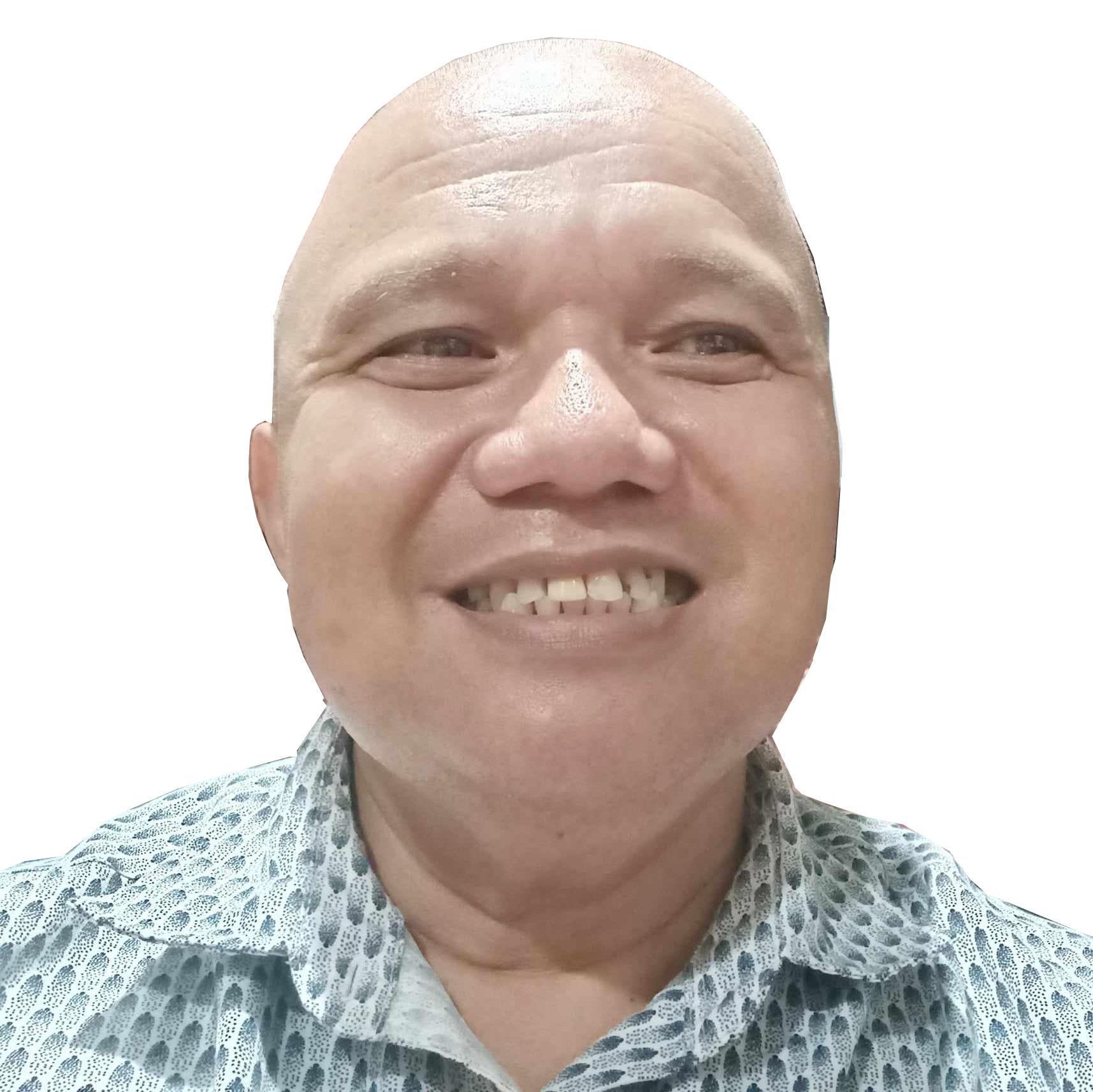
The sentiment among Filipinos regarding the CHED order to discontinue the Senior High School programs in State Universities and Colleges (SUCs) and Local Universities and Colleges (LUCs) appears to be one of concern, particularly regarding the impact on students and the education system. The decision, confirmed by CHED Chairperson Prospero De Vera III, is in line with the mandate of higher education institutions to focus on tertiary education. However, there are calls for proper coordination between the Department of Education (DepEd) and CHED to ensure that there will be no disruption to the education of students currently enrolled in these programs.

Senate Majority Leader Joel Villanueva emphasized the importance of considering the impact on students and the need for sufficient capacity within DepEd or the private sector to accommodate these students. The discontinuation is based on the premise that SUCs and LUCs were only allowed to offer Senior High School during the K-12 transition period, which ended in SY 2020-2021. The move has raised discussions about the future of students and the role of SUCs and LUCs in the Philippine education system.
As a member of the academe leading a robust senior high school with graduates who rose to Magna Cum Laude, Cum Laude with teachers all in pursuit of Masters degree , I cant help but be concerned .

However, we see here the realities of fiscal and financial constraints making a major factor. We don’t deny the fact that LUCs and SUCs is not mandated by law to provide Senior High Schools to Filipinos , it’s the province of the DepEd and indeed it’s undeniably both a burden and an advantage . A burden because in the words of Sir Peps Monge former Vice President at Leyte Normal University “ it siphons off budget and resources which is allocated for tertiary education”. However , in the other hand it makes a better avenue as laboratory school for those tertiary education that offers Teacher Training or Education.
The problem with introducing change is that it can be a good thing or outright bad . But for me here are scenarios that would be worth pondering -on by our academic leaders :
The discontinuation of the Senior High School (SHS) programs in State Universities and Colleges (SUCs) and Local Universities and Colleges (LUCs) in the Philippines is expected to have several effects and lead to various scenarios:

1. Impact on Students: Students who are currently enrolled in SHS programs in SUCs and LUCs may need to transfer to other institutions to complete their education. This could cause disruption and inconvenience for these students and their families.

2. Capacity of DepEd and Private Sector: There is a concern about whether the Department of Education (DepEd) and the private sector have enough capacity to accommodate the students who will be displaced by the discontinuation of SHS programs in SUCs and LUCs.
3. Financial Implications: The discontinuation might lead to financial challenges for SUCs and LUCs, as they will no longer receive government assistance for SHS programs. This could affect the overall funding and resources available to these institutions.

4. Faculty and Staff: Faculty members who were teaching SHS courses in SUCs and LUCs may face job insecurity or may need to shift to teaching at the tertiary level or find employment elsewhere.

5. Educational System: The move aligns with CHED’s mandate for SUCs and LUCs to focus on tertiary education. However, it also raises questions about the role of these institutions in the broader educational system and how they can best serve the needs of the country’s youth.

6. Probable Scenarios:

o Transition Period: There may be a transition period where SUCs and LUCs with laboratory schools can still accept enrollees but will no longer receive vouchers.

o Policy Revisions: The government may need to revise policies to ensure a smooth transition and to address any gaps in the education system that the discontinuation might create.

o Stakeholder Coordination: Effective coordination between CHED, DepEd, SUCs, LUCs, and other stakeholders will be crucial to manage the transition and mitigate negative impacts.

All these maybe a scenario projection by this modest writer, but I believe it must be something that needs a second and maybe a long and hard look .
Email : clemellem2@yahoo.com

Personnel, inmates at BJMP in Borongan City found negative of substance abuse based on drug test results

0
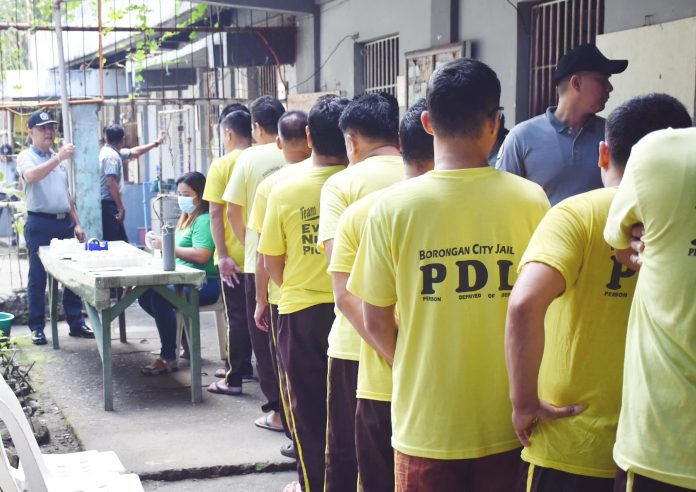
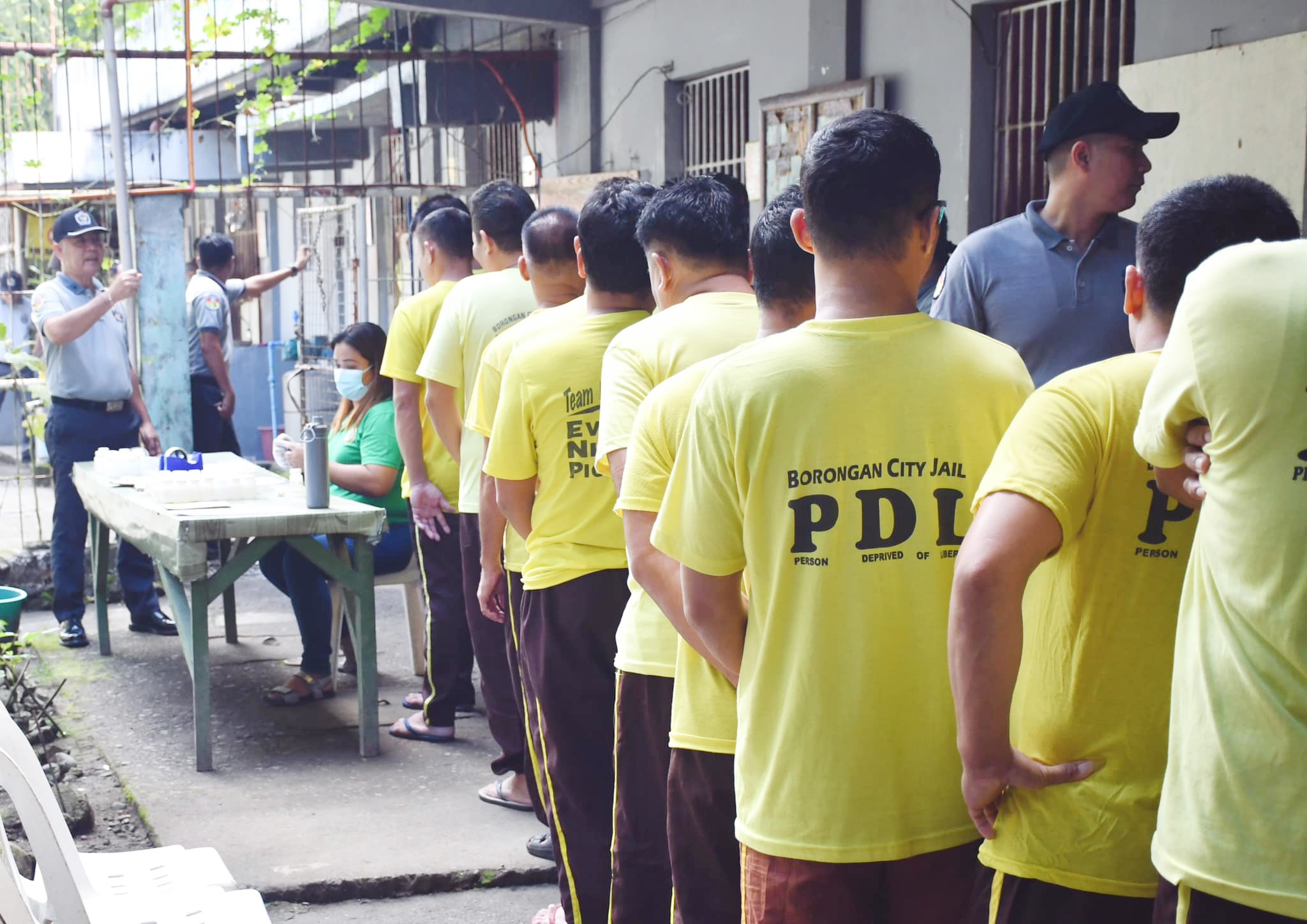
The Bureau of Jail and Penology (BJMP) in Borongan City conducted a drug test among its personnel and persons deprived with liberty (PDLs). All results were negative, says the BJMP official. (Photo Courtesy)

TACLOBAN CITY– The Bureau of Jail Management and Penology (BJMP) in Borongan City conducted a drug test on all of its personnel including persons deprived of liberty (PDLs) who are under their jurisdiction.

The Bureau of Jail and Penology (BJMP) in Borongan City conducted a drug test among its personnel and persons deprived with liberty (PDLs). All results were negative, says the BJMP official. (Photo Courtesy)

The drug test was conducted on January 4 by the Philippine Drug Enforcement Agency (PDEA) and the City Health Office, subjecting 27 BJMP personnel and 67 PDLs.
Borongan City Jail Warden Jail S/Inspector Neal Ana said that the conduct of the drug test was in support to the Department of Interior and Local Government program Buhay Ingatan, Droga’y Ayawan (BIDA).

Ana added that they are only required to conduct random drug tests on 10 percent of the total PDLs under their care but they instead decided to subject all to drug tests.
“We decided to subject all to a drug test to avoid any speculation that we are only selected individuals and that we are only doing this out of script,” she said.

“This would help us secure a certification that our facility and workplace is drug-free and in the process, help the aim of the city government to make Borongan drug-free,” Ana added.
The BJMP official added that they are the first jail facility in Eastern Samar province to conduct drug tests this New Year because of the strong support of the city government headed by Mayor Jose Ivan Dayan Agda to make Borongan a drug-cleared and a drug-free area.

The drug test shows that all employees and PDLs in Borongan City Jail were negative for using illegal substances.
(ROEL T. AMAZONA)

Recent Posts

DALMACIO C. GRAFIL
PUBLISHER

ALMA GRAFIL
EDITOR-IN-CHIEF

ROMEO CEBREROS
OFFICE IN-CHARGE

OFFICE
BRGY. SONGCO, BORONGAN CITY

CONTACT NUMBERS
(055) 261 – 3319 | 0955 251 1533 | 0917 771 0320 | 0915 897 7439 | 0921 511 0010

DALMACIO C. GRAFIL
PUBLISHER

RICKY J. BAUTISTA
EDITOR

ALMA GRAFIL
BUS. MANAGER

OFFICE
RIZAL AVENUE, CATBALOGAN
(INFRONT OF FIRE DEPARTMENT, NEAR CITY HALL)

CONTACT NUMBERS
0917 771 0320 | 0915 897 7439 | 0921 511 0010

EMAIL
lsdaily2@yahoo.com

WEBSITE
www.issuu.com/samarweeklyexpress