ORMOC CITY– An eight-year-old boy was found lifeless several meters away from where he was last seen at around 6 pm on Friday, September 19, in Purok 2, Barangay Monterico, this city.
The victim, identified as “Adrian,” a Grade 3 student and resident of the area, was reported missing after being swept away by the strong currents of the Pagsangaan River.
According to the police, the victim’s sister, “Lily,” appeared at Ormoc City Police Station 2 (OCPS2) at 11:27 am on Friday, September 20, to report the incident.
She shared that her brother, along with four other minors, had gone swimming in the river between 3:00 and 5:30 pm on Thursday, September 19.
“Lily” said her brother was accidentally swept away by the strong current, which carried him to a deeper section of the river, leading to his drowning.
A neighbor assisted in searching for the boy and eventually found his body several meters from where he was last seen.
He was immediately brought to Kananga Municipal Hospital, where he was pronounced dead on arrival by the attending physician. (ROBERT DEJON)
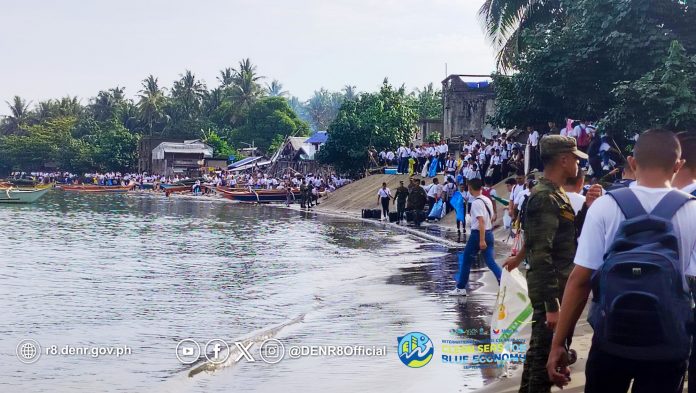
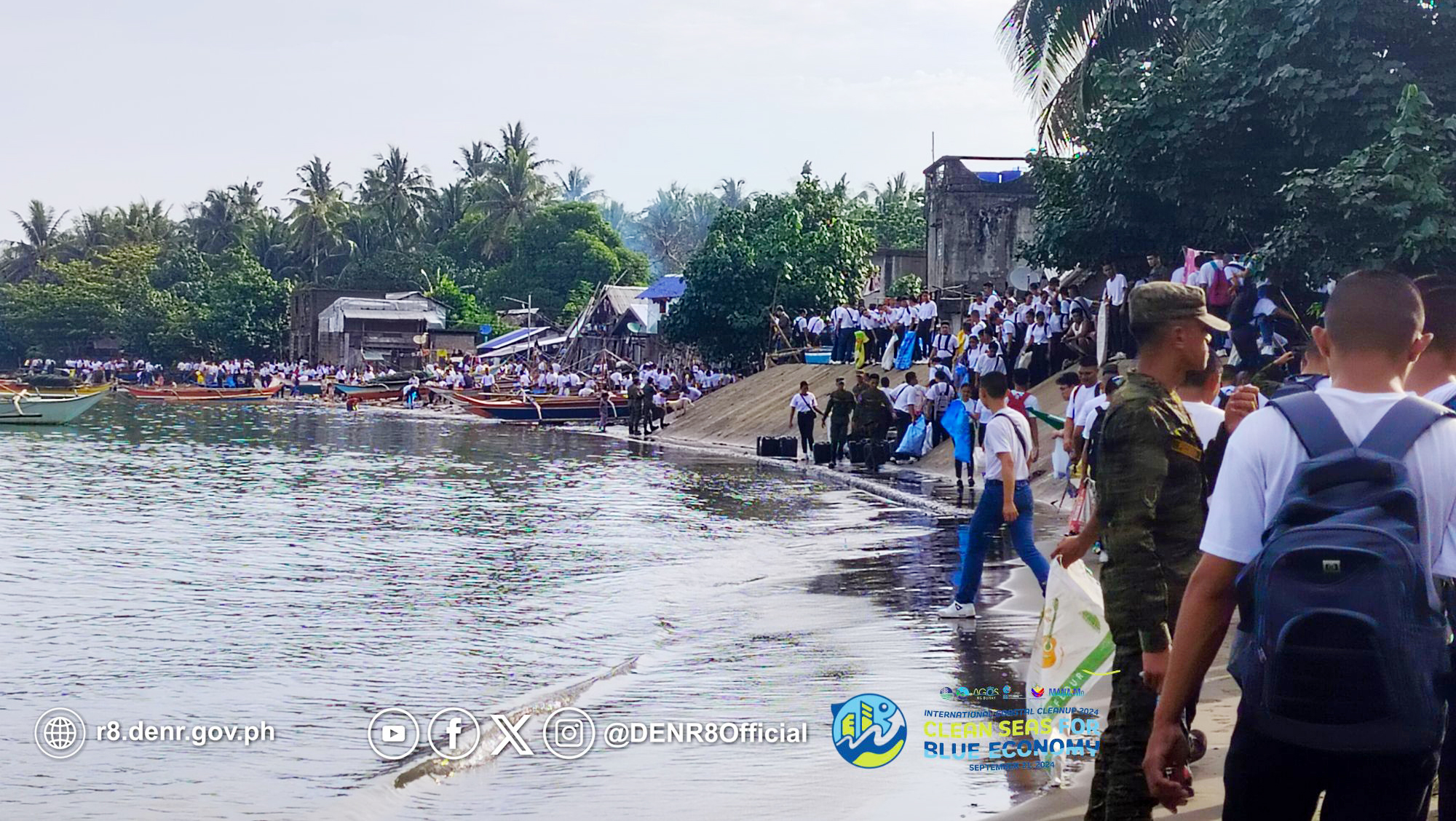
COASTAL CLEANUP. Volunteers from different schools, organizations, and government agencies conducted a cleanup campaign last Saturday, Sept.21 across the region. On that day, the world marked the International Coastal Cleanup. (PHOTO COURTESY)
COASTAL CLEANUP. Volunteers from different schools, organizations, and government agencies conducted a cleanup campaign last Saturday, Sept.21 across the region. On that day, the world marked the International Coastal Cleanup. (PHOTO COURTESY)
TACLOBAN CITY – A total of 13,868 kilos of trash was collected from various parts of Eastern Visayas during the International Coastal Clean-up (ICC) on Saturday, September 21.
The event, spearheaded by the Department of Environment and Natural Resources (DENR) Region VIII, saw the participation of 7,623 volunteers from 183 government agencies, local government units, schools, and private sectors.
With the theme “Clean Seas for a Blue Economy,” the event aimed to raise awareness about marine conservation by collecting trash from coastal areas, which poses a significant threat to marine life and ecosystems.
Melecia Sumbeling, chief of the Coastal Resource and Foreshore Management Section of DENR VIII, emphasized the importance of the clean-up.
“This activity is a call to ensure that the ocean remains the foundation of a thriving blue economy while preserving the health and productivity of marine biodiversity,” she said.
The clean-up also highlighted the importance of environmental stewardship and community engagement in addressing the growing issue of marine pollution. It sought to inspire long-term behavioral changes, encouraging communities to reduce waste and take part in future clean-up efforts.
In addition to its immediate impact, the activity contributed to gathering valuable data on the types of waste found in the country’s waters. This information will aid in conservation efforts, waste recovery, and resource utilization.
The Philippines has been participating in the ICC since 1994, following Presidential Proclamation 470, which designated the third week of September for the annual observance of the event. (ROEL T. AMAZONA)
TACLOBAN CITY – The local government of Cavinti in Laguna has extended an offer of partnership with Matag-ob, a town in Leyte province, to boost their tourism potential.
Cavinti Mayor Arrantlee Arroyo, who was a guest at the 3rd Himorasak Festival in Matag-ob held on Sunday, Sept.22, commended Mayor Bernandino Tacoy for his efforts to promote and market the municipality.
Cavinti is home to several popular tourist destinations in Laguna, including Pagsanjan Falls (now known as Cavinti Falls), Caliraya Lake, and Lumot Lake, which are renowned for surface water sports and fishing.
The town also boasts various eco-tourism and agri-tourism sites.
Matag-ob, on the other hand, is gaining attention for Bondari Peak, which offers a panoramic view of the neighboring towns of Kananga, Villaba, and Palompon. The site is becoming increasingly popular among local and domestic tourists.
“The town of Cavinti is very much willing to share our best practices to help both municipalities grow in the tourism industry,” said Mayor Arroyo.
He added that Cavinti could assist Matag-ob by helping craft ordinances and resolutions aimed at increasing tourism income, attracting more visitors, and developing unique offerings to stand out from other towns in the province.
Mayor Arroyo also expressed hopes of formalizing the partnership through a sisterhood agreement.
Mayor Tacoy warmly welcomed the offer, noting that since taking office, he has forged partnerships with several municipalities in the province and is looking forward to collaborating with towns outside the region.
“We are excited to establish a sister municipality outside our region,” Mayor Tacoy said.
In other news, Pundok 3 was crowned the champion of the 3rd Himorasak Festival, followed by Pundok 1 as first runner-up and Pundok 4 as second runner-up.
Special awards were also given: Pundok 1 won the ‘Arko ni Iloy’ contest, Pundok 8 took first place in the float competition, and Pundok 1 also triumphed in the street dancing competition.
Department of Tourism Regional Director Karina Rosa Tiopes praised Matag-ob, stating that the Himorasak Festival has significantly improved in performance, municipality participation, and storytelling since its inception three years ago. (ROEL T. AMAZONA)
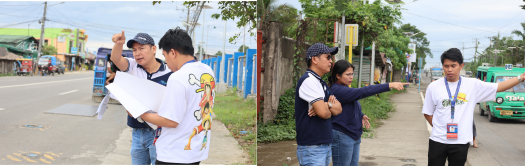
TACLOBAN CITY— The Tacloban City District Engineering Office (TCDEO) and Prime Water Leyte Metro conducts site inspection on September 18, 2024, to assess locations for the proposed excavation and pipe laying activities. This inspection is a prerequisite for issuing an excavation permit requested by Prime Water Leyte Metro.
The inspection team, led by Engr. Bernardino A. Caalim III and Ms. Retchelle A. Cabidog from TCDEO’s Maintenance Section, was accompanied by Engr. Winston L. Rosas, Head of the Asset Management Department at Prime Water Leyte Metro. Their primary objective was to examine and monitor the designated areas to ensure that excavation would occur in the proper locations, thereby minimizing potential issues.
The inspection focused on several key sites in Tacloban City, including Barangay 74 Nula-tula, Barangay 94 Tigbao (Junction), and Barangay 97 Cabalawan. The excavation is crucial for installing pipelines that will extend water supply access to other parts of Tacloban City and to local businesses.
Engr. Caalim stated, “The site inspection is vital to ensure that the excavation and pipe laying activities will be carried out properly and efficiently, ultimately providing better water access for the community.”
The inspection represents a collaborative effort to enhance the water supply in Tacloban City, aiming to meet the growing demands of its residents. (PUBLIC INFORMATION UNIT)
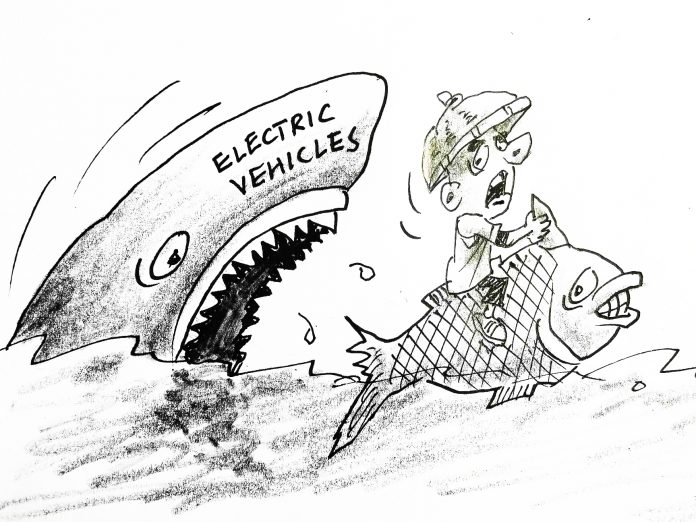
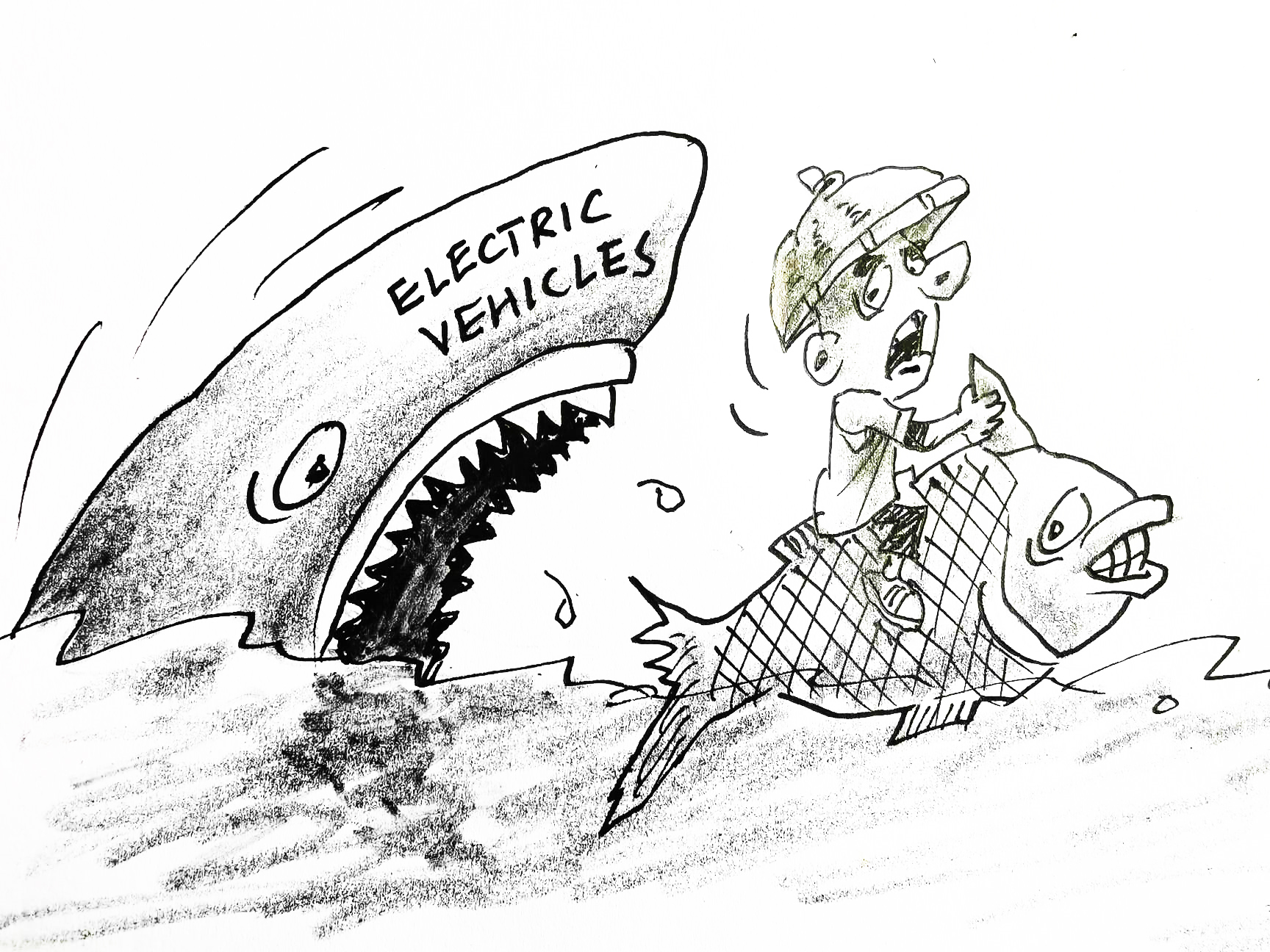
The rapid rise of electric vehicle (EV) production worldwide signals a significant shift in the automotive industry, which could spell trouble for gasoline-powered vehicles, especially in countries like the Philippines where most car owners rely on traditional combustion engines. While the push toward electrification is a necessary step in addressing climate change, it raises valid concerns for many Filipino car owners whose investments in gasoline cars might become obsolete.
Gasoline-powered vehicles, which make up the majority of the country’s car population, are not cheap investments. Many Filipinos save for years to afford a vehicle, often relying on it for both personal and business purposes. The shift to electric vehicles (EVs) and the potential phase-out of gasoline cars would essentially devalue these assets, rendering many of them useless in the coming years. This looming threat creates uncertainty and financial strain on middle-class Filipinos who may not have the means to switch to the more expensive EV alternatives.
Noticeably, the infrastructure required for electric cars is not yet widespread in the Philippines. Charging stations, electric grids, and proper maintenance facilities are still in their infancy stages, making the adoption of EVs a difficult prospect. This stark difference from countries with robust EV support systems could lead to a prolonged period where gasoline cars are still necessary for daily life in the Philippines. Forcing a transition before adequate infrastructure is in place could exacerbate the existing inequality between those who can afford to adapt and those who are left behind.
Environmental concerns are also worth considering in the local context. While electric cars promise to reduce emissions globally, the Philippines still relies heavily on coal and fossil fuels for electricity generation. Thus, a sudden surge in EV adoption might not provide the same environmental benefits in the country as it does in nations with cleaner energy sources. Pushing gasoline cars out of the market without addressing the root causes of pollution—like energy production—could divert attention from more pressing issues.
To avoid leaving Filipino car owners at a disadvantage, the government should focus on creating a balanced transition strategy. Policies should include a reasonable timeline for phasing out gasoline cars, allowing car owners to maximize the remaining value of their vehicles. Offering subsidies or trade-in programs could help offset the costs of transitioning to EVs, ensuring that the shift is equitable and inclusive. Additionally, ramping up investments in infrastructure and renewable energy would ensure that when the time comes, the country is ready to embrace EVs on a larger scale.
This trend toward electric vehicles must be approached with caution in the Philippines, where gasoline cars remain dominant. Filipino car owners should not be punished for the investments they’ve made in gasoline vehicles, and the transition should be managed thoughtfully to avoid unnecessary financial burdens. A gradual, well-planned phase-out coupled with infrastructure improvements and support systems is the best way forward to ensure a fair and sustainable shift toward electric mobility.
It seems that everywhere I turn these days, division and conflict are inescapable. From politics to religion, sports to the arts, it feels like we can no longer discuss any topic without it devolving into an argument. While differences of opinion are natural, the level of divisiveness we are experiencing today is not only unhealthy but counterproductive. We need to find ways to engage in discussions without allowing our differences to tear us apart.
I’ve noticed this growing tension in political discussions. Whenever the topic of government, elections, or leadership comes up, conversations quickly become charged with emotion. I’ve been part of debates where people stopped listening to each other, opting instead to defend their side with increasing hostility. It seems that the middle ground has been lost, and people would rather prove a point than understand where the other side is coming from. This deeply concerns me because, without dialogue, how can we hope to solve the complex issues that plague society? If we can’t talk without shouting, then we’re at a standstill.
Religion is another area that has become highly divisive. I’ve seen it firsthand in discussions about beliefs, spirituality, and faith practices. Instead of fostering mutual respect, conversations often morph into a battleground of “who is right” and “who is wrong.” While I respect the passion that faith can inspire, I also believe that it’s possible to have different beliefs without imposing them on others. In my view, the point of religion should be to unite people under shared values of compassion and kindness, not to drive wedges between us.
The sports world isn’t exempt from this divisiveness either. Take any major league event or even local sports discussions, and you’ll see fans who are so invested in their teams that they treat opposing views as personal attacks. I’ve been to games where fans were more interested in belittling each other than in enjoying the sport itself. This culture of “us versus them” is not only toxic but it ruins the joy and camaraderie that sports are supposed to foster. Sports should bring people together, but we’ve turned them into another arena for division.
Even in the arts, where creativity should reign supreme, division seems to be the norm. Whether it’s movies, music, or visual art, people are quick to judge and dismiss anything that doesn’t fit their particular tastes. I’ve had conversations with people who feel that their favorite artist, film director, or musician is the only legitimate one, disregarding the merit of others’ preferences. Art is subjective by nature, yet we’ve turned it into another battlefield where one’s choice is seen as superior to another’s, creating yet another layer of unnecessary conflict.
What strikes me the most is how these divisions reflect a deeper unwillingness to see the world through someone else’s eyes. I’ve caught myself, at times, being defensive over my opinions, but when I step back, I realize that this defensiveness comes from the fear of being misunderstood, not from a lack of belief in my viewpoint. In reality, the more I listen to others, the more I realize that our differences are not always so vast. Often, it’s our approach to the conversation that makes it seem that way.
In my opinion, we need to change the way we approach disagreements. I’ve found that when I go into a conversation with an open mind, looking to learn rather than to prove a point, the dialogue shifts. It’s not about giving up my beliefs, but rather about recognizing that others’ experiences have shaped their opinions too. I believe that this simple shift in mindset—one that prioritizes understanding over arguing—could make a significant difference in how we handle divisiveness.
At the end of the day, we all want to feel heard and respected, and that requires both speaking up and listening. In my experience, the more I invest in understanding where someone is coming from, the more fruitful and meaningful the conversation becomes. We need to embrace the idea that disagreements don’t have to be destructive. They can be constructive, allowing us to learn and grow in ways we might not expect.
In the process, we are losing our ability to have meaningful conversations because we’re so focused on defending our own positions. The best way to address this is to cultivate an attitude of empathy, respect, and openness in every discussion. It’s not about winning arguments, but about enriching our perspectives through dialogue. If we can learn to embrace our differences without letting them divide us, we will find ourselves in a much better place.