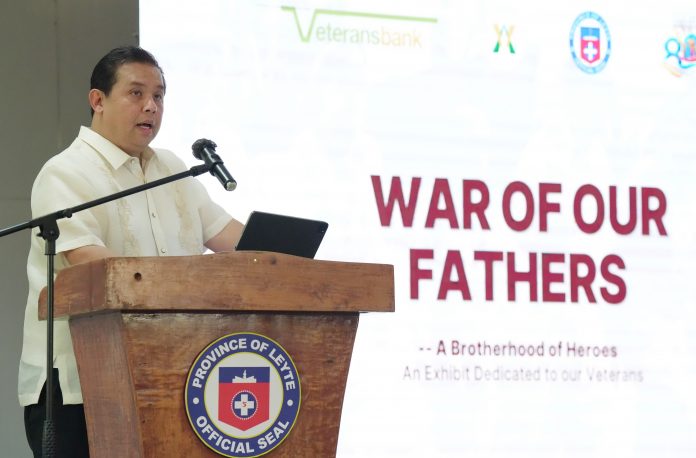
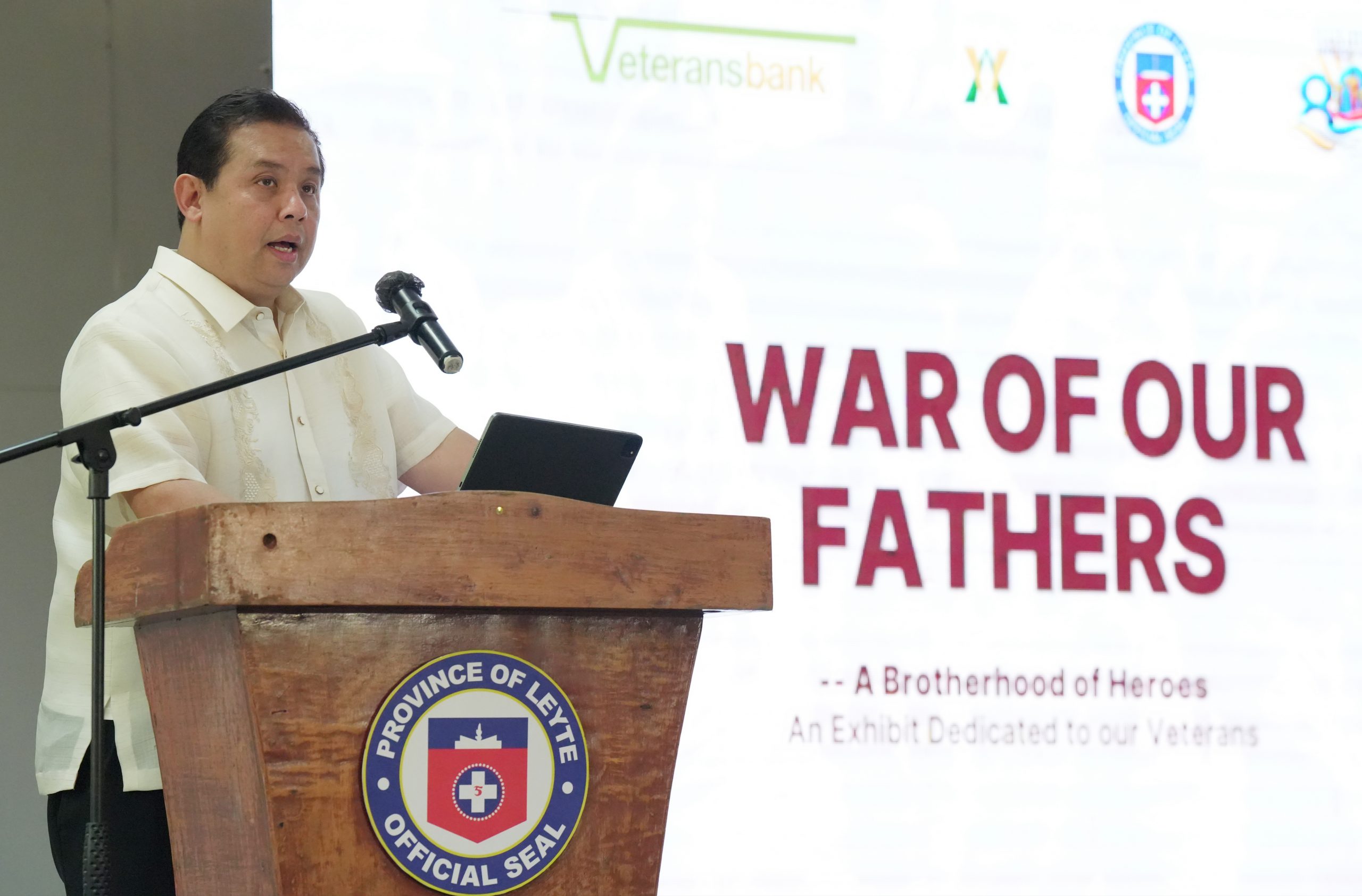
Speaker Ferdinand Martin G. Romualdez declares the unwavering commitment of the Philippines to protect its sovereign rights in the West Philippine Sea in his message Sunday at the ribbon-cutting rites for the exhibit of the Philippine Veterans Bank at the Leyte Convention Center entitled “War of our Fathers-A Brotherhood of Heroes”, dedicated in honor of the veterans of World War II. The event was held following the commemoration of the 80th anniversary of the Leyte Gulf Landings that turned the tide of war and led to the liberation of the Philippines. photo by Ver Noveno
Speaker Ferdinand Martin G. Romualdez declares the unwavering commitment of the Philippines to protect its sovereign rights in the West Philippine Sea in his message Sunday at the ribbon-cutting rites for the exhibit of the Philippine Veterans Bank at the Leyte Convention Center entitled “War of our Fathers-A Brotherhood of Heroes”, dedicated in honor of the veterans of World War II. The event was held following the commemoration of the 80th anniversary of the Leyte Gulf Landings that turned the tide of war and led to the liberation of the Philippines. photo by Ver Noveno
PALO, Leyte– House Speaker Ferdinand Martin Romualdez emphasized the importance of international solidarity and diplomacy in achieving peace as the Philippines marked the 80th anniversary of the historic Leyte Landings, led by U.S. General Douglas MacArthur in October 1944, a pivotal event in World War II.
Speaking at the 80th Commemorative Anniversary held at the MacArthur Landing Memorial National Park in Candahug, Palo, Leyte on Sunday, Oct.20, Romualdez underscored the progress made by nations in resolving conflicts through diplomatic means rather than armed violence.
“Your presence today is a testament to how far we have come in terms of promoting and protecting our respective national interests – no longer through the destructive contest of arms and violence, but through peaceful diplomatic efforts, which are more sustainable,” Romualdez told the gathered foreign diplomats and dignitaries.
The Speaker commended the enduring partnership of nations that were once at war, citing Australia, Japan, and the United States for their collective efforts toward maintaining peace and security in the region.
“We commend the solidarity of the nations of Australia, Japan, and the U.S. in our shared aspirations for a secure and peaceful region. The Leyte Landing was a turning point in World War II here in the Asian region,” Romualdez said, recalling the historic moment that helped liberate the Philippines from Japanese occupation.
Romualdez also called for continued efforts to strengthen diplomatic and economic ties among nations, reflecting on how the solidarity forged during wartime has evolved into peaceful cooperation.
“These [diplomatic efforts] pave the way for the continued development of our respective countries, further strengthening our diplomatic and economic relations, opening up new opportunities, all for our mutual benefit. Let us continue working in this regard,” he urged.
The event, which honored the sacrifices made by Allied forces and Filipino soldiers during World War II, was attended by prominent foreign diplomats, including Australian Ambassador Hae Kyung Yu, Japanese Ambassador Endo Kazuya, U.S. Major General Matthew McFarlane, as well as local officials and national leaders.
Tingog party-list Reps.Jude Acidre and Lolita Karen Javier (2nd district) were also present at the commemoration.
The event was attended by high-ranking officials, including Philippine Veterans Affairs Office (PVAO) Administrator Reynaldo Mapagu, Leyte Governor Carlos Jericho Petilla, and Palo Mayor Remedios Petilla.
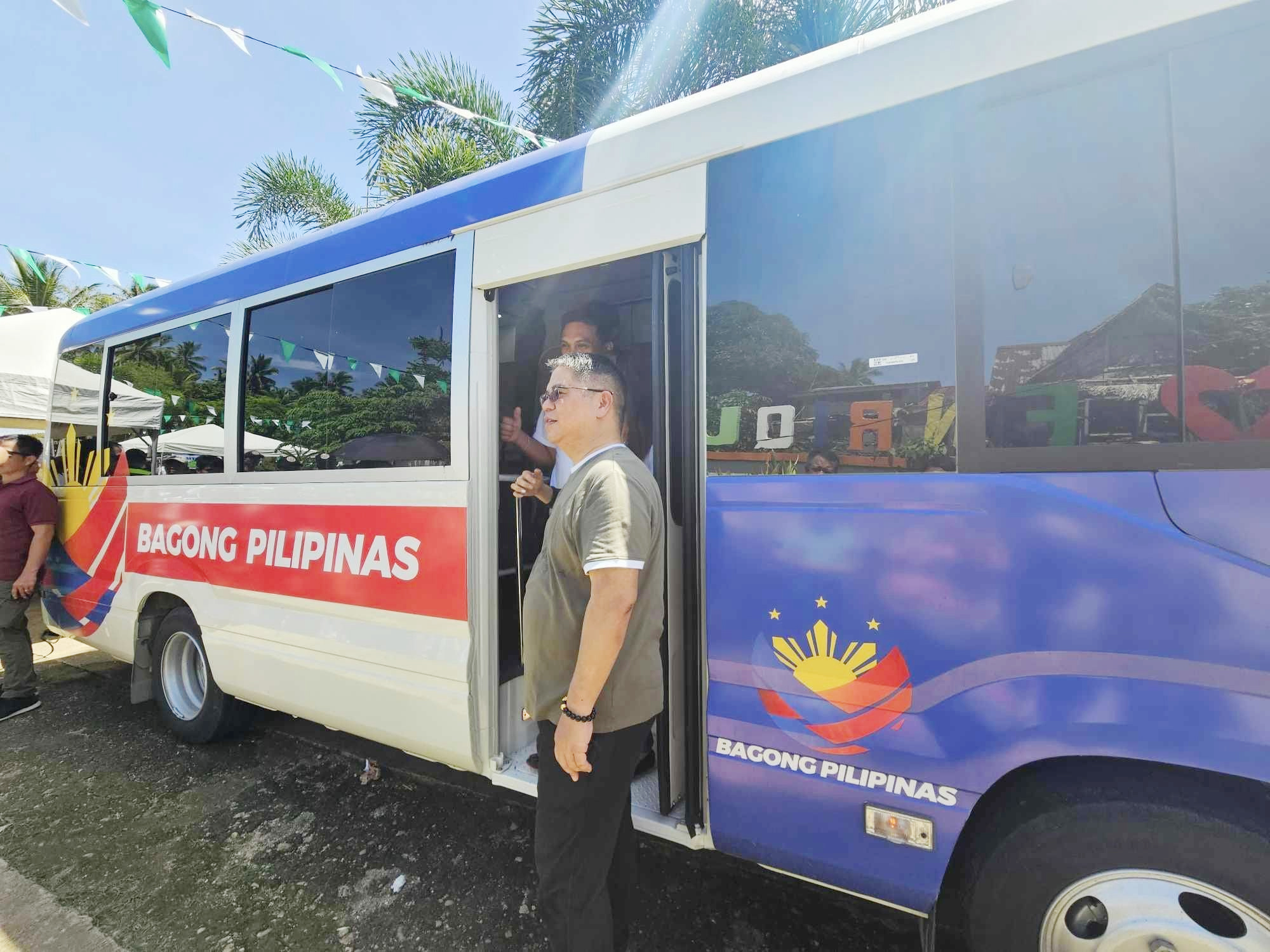
MOBILE CLINIC. Northern Samar Gov. Edwin Ongchuan poses on the mobile laboratory clinic donated to the province by the Department of Health to the provincial government. The mobile clinic offers free healthcare services to far-flung communities, enabling doctors to perform a thorough evaluation of patients’ health conditions.(THE PROVINCIAL GOVERNMENT OF NORTHERN SAMAR)
MOBILE CLINIC. Northern Samar Gov. Edwin Ongchuan poses on the mobile laboratory clinic donated to the province by the Department of Health to the provincial government. The mobile clinic offers free healthcare services to far-flung communities, enabling doctors to perform a thorough evaluation of patients’ health conditions.(THE PROVINCIAL GOVERNMENT OF NORTHERN SAMAR)
TACLOBAN CITY – The Department of Health’s (DOH) Mobile Laboratory Clinic, recently handed over to the provincial government of Northern Samar, was utilized in the 29th Kauswagan Caravan held in Barangay Enriqueta, Lavezares.
The mobile clinic provided crucial healthcare services to the far-flung areas of the province, delivering comprehensive medical check-ups and diagnostics.
The mobile clinic offers free healthcare services to remote communities, enabling doctors to perform a thorough evaluation of patients’ health conditions.
“With this facility, our health experts can conduct laboratory services in remote areas, outside of the regular hospital laboratories,” the provincial government said in a statement.
Equipped with modern diagnostic tools, the mobile clinic includes a digital X-ray machine, an ultrasound machine, a hematology analyzer for blood tests, a binocular microscope, an ophthalmoscope for eye exams, a lab-grade refrigerator, telemedicine equipment, and a power generator to ensure functionality in areas without electricity.
The unit was turned over to the province in August.
During the caravan on October 15, 2024, over 1,735 families from the barangays of Chansvilla, Toog, Salvacion, Libertad, and Enriqueta benefitted from the mobile clinic and other services offered.
The Kauswagan Caravan, an initiative spearheaded by Governor Edwin Ongchuan, is a collaborative program aimed at providing essential services to underserved communities.
In partnership with national government agencies, non-governmental organizations, and private sector groups, the caravan delivers free medical check-ups, educational resources, food assistance, circumcisions, haircuts, and other basic services to remote areas.
Volunteers from partner agencies and private sector organizations contributed their time and resources to the event, embodying the spirit of volunteerism.
Additionally, as part of the caravan’s activities, hybrid coconut trees were planted, symbolizing the province’s commitment to environmental sustainability and long-term community development. (ROEL T. AMAZONA)
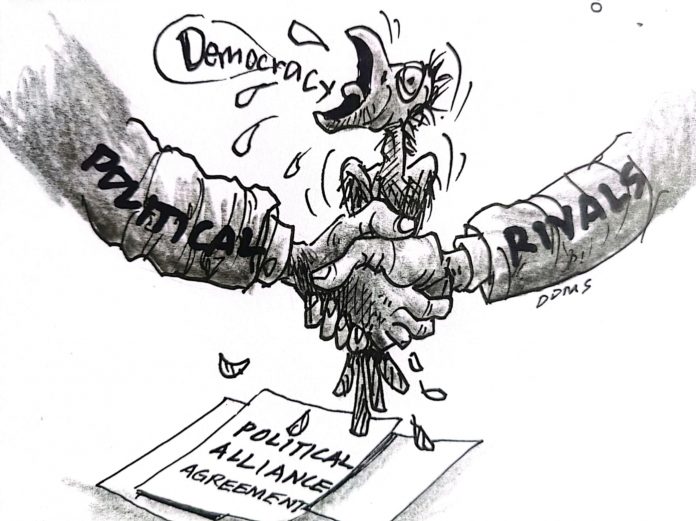
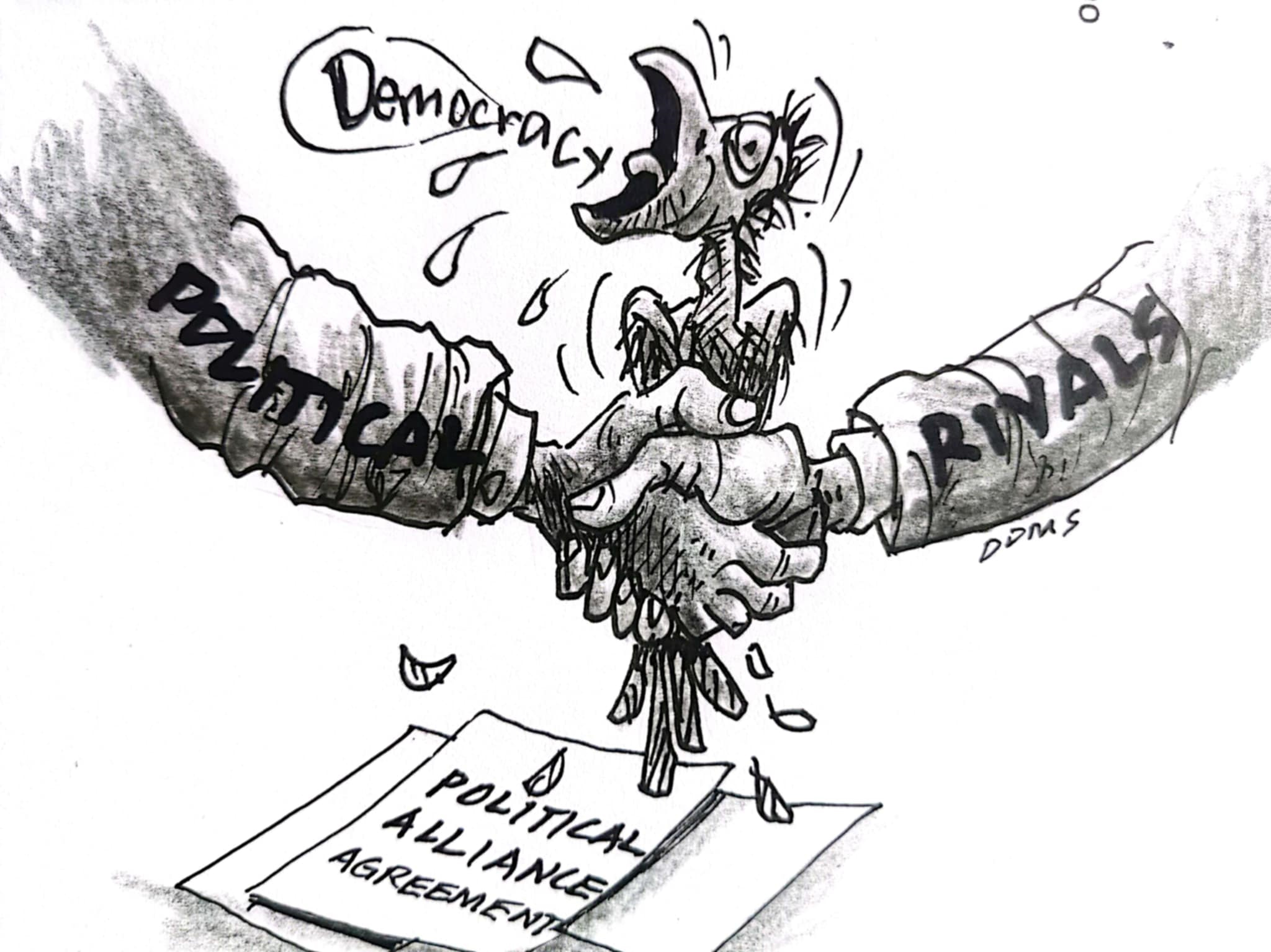
There’s something oddly comical when two rival political giants suddenly decide to join forces, divvying up the positions they once fought tooth and nail to win. It’s like watching the climax of a long-running soap opera where enemies become best friends overnight. But this newfound camaraderie isn’t exactly heartwarming—it’s rather concerning than anything. The spirit of competition, the very foundation of democracy, is tossed aside in favor of mutual self-interest, leaving voters with no choice but to accept the hand they’ve been dealt.
What makes it even funnier, or rather sad, is that the fierce campaigns we expect to see are replaced with awkward silence. Instead of fiery debates and passionate speeches, we get an eerie calm, as if the game was rigged before it even began. The candidates—now unopposed—waltz into their “juicy” positions without breaking a sweat, and the voters are left out of the equation. What used to be a battleground of ideas turns into a bland, one-sided affair, with no one to challenge the status quo or even ask tough questions.
This strange alliance strips away any pretense of serving the people. It’s not about who’s the best person for the job anymore; it’s about who can secure the spoils of office with the least amount of hassle. Political rivalry, for all its faults, at least offers voters a choice, a chance to weigh their options and decide who aligns more with their vision of progress. When that rivalry is artificially ended through backroom deals, we’re no longer witnessing democracy in action. We’re just spectators to a puppet show where all the strings are being pulled from behind the scenes.
What’s even more troubling is the precedent this sets for future elections. If this kind of collusion goes unchallenged, we might as well forget about competitive elections altogether. Why bother fielding a candidate when the major players can just split the pot between themselves? It’s a slippery slope that leads to stagnation, where innovation, progress, and genuine public service are sacrificed in the name of convenience. The absence of worthy opponents creates a political landscape where mediocrity thrives because there’s simply no one to push for something better.
In the end, this political détente serves no one but the politicians themselves. If we want to avoid this farce becoming the norm, voters need to demand accountability and transparency. Leaders should earn their positions through competition, not cozy backroom deals. Only then can we restore the integrity of the electoral process and ensure that our choices, as voters, matter.
I can’t help but notice the irony every time I approach a pedestrian lane in Tacloban City. The very place where I should feel the safest crossing the road seems to be the least respected stretch of paint. According to Republic Act No. 4136, the Land Transportation and Traffic Code, vehicles should yield to pedestrians at designated crossings. But that’s not how things play out here. Instead of cars stopping as they should, it’s us—the pedestrians—who end up stuck, waiting like extras in a movie scene, hoping for a miracle in the form of a courteous driver.
In my experience, most drivers act as if the pedestrian lane is just decorative, some kind of abstract art meant to beautify the asphalt. It’s as if they’ve decided that slowing down for pedestrians would be too much of an inconvenience. What’s worse is that we, the pedestrians, have become conditioned to accept this ridiculous reality. We hover on the edge of the crossing, casting hopeful glances at drivers like we’re begging for alms when all we want is to cross the street safely.
Tacloban’s traffic situation feels like a daily tug-of-war, with drivers pulling harder on the rope because they know no one’s going to stop them. It’s not just a matter of a few inconsiderate individuals; this is a citywide problem. I’ve seen everything from tricycles to SUVs ignoring pedestrian lanes, zooming past like they’re late for an emergency that doesn’t exist. Republic Act No. 4136 might as well be a myth around here, a set of rules whispered about but never truly enforced.
I can’t help but think about how it works in places like Davao City, where pedestrians cross without even breaking their stride, fully confident that vehicles will stop for them. There, drivers know the law and, more importantly, respect it. Meanwhile, here in Tacloban, crossing the street feels like trying to win a game of chicken—one I never asked to play. Sometimes I wonder if the drivers here would even stop if I painted myself in zebra stripes to match the pedestrian lanes.
It’s not just the drivers that are the problem; it’s the lack of enforcement. Where are the traffic enforcers when we need them most? It’s as if they’ve taken an extended lunch break, leaving the roads to descend into chaos. In other countries, violating pedestrian rights might get you a ticket or worse. Here, the worst that happens is a disapproving glare from the people you are forced to wait on the side of the road. It’s hard not to feel like we, the pedestrians, are being ignored in every sense of the word.
And when there’s a convoy—forget about it. Pedestrians could set up camp by the side of the road because, trust me, you’ll be waiting long enough to pitch a tent. Convoys seem to embolden drivers even more as if the presence of multiple cars justifies ignoring the law completely. It’s an absolute circus, except no one’s laughing because we’re all stuck on the wrong side of the road, helpless and frustrated.
The irony is thick in the air when I think about how these lanes are supposed to represent safety and respect for the pedestrian. But here in Tacloban, they might as well be invisible lines, forgotten as soon as they’re painted. It’s almost as if the law was written for some other place, and we’re just an afterthought in its implementation.
At the end of the day, it’s about respect—for the law, for each other, and common decency. Maybe what we need isn’t just stricter enforcement but a cultural shift, a collective realization that pedestrian lanes are there for a reason. If Davao can do it, why can’t we? I’d like to believe that we’re not too far gone to fix this. But until then, I’ll be standing on the edge of the road, hoping that one day I won’t have to risk my life just to cross the street.
In today’s unpredictable world, the ability to lead through a crisis is a crucial skill for any leader. Whether facing a technological, financial, natural, or health crisis, effective leadership is essential for maintaining perspective, staying adaptable, and guiding individuals and organizations through turbulent times.
When confronted with a crisis, leaders must have the capacity to think and behave in ways that may feel unfamiliar. According to Gene Klann, author of “Crisis Leadership,” the primary goal during a crisis is to reduce loss and keep operations as normal as possible.
Most of us were caught by surprise about the magnitude of COVID-19. We all thought that it was just one of the viruses that would just vanish after a few weeks or months. We were immensely tested in terms of our faith in restoring the world. Have we triumphantly conquered our fears and challenges? Here are five key actions recommended for leading through a crisis:
Seek Credible Information
One of the first steps in crisis leadership is to seek credible and reliable information. Leaders must determine the most up-to-date information from trustworthy sources, avoiding social media and biased news organizations. Consulting experts for the latest advice is crucial for making informed decisions. One cannot decide unless one is fully equipped with the information about what the crisis is all about. Hence, a leader should know the right questions to ask to arrive at the best possible solution.
Use Appropriate Communication Channels
Transparency and effective communication are vital during a crisis. Leaders should disseminate essential information to the entire organization promptly. Face-to-face communication, whether in person or through virtual channels, is recommended to reduce emotional distress, diminish fear, and provide tactical guidance. Being able to talk to people, exchange ideas, and have a better understanding of the situation is essential. One cannot keep everything to himself when such challenges rock an organization. The leader would need the help of everyone in gathering all the details and allowing these people to throw in their suggestions so everyone can understand the different facets of the challenges being faced.
Explain Organizational Actions
During a crisis, time is of the essence, and leaders must act decisively. Communication about the steps being taken by the organization should be clear, truthful, and honest. It is essential to keep employees updated as the response evolves and to recognize that different individuals may have varying perspectives based on their roles. Allow the employees to be involved if this move can ease the problem in a shorter period.
Be Present, Visible, and Available
Accessible leadership is key during a crisis. Leaders should make themselves available for updates and questions. Regular communication from leaders who appear calm, concerned, and in control can instill confidence in employees and reassure them that the situation is being managed effectively. A leader is not expected to flee from any crisis that comes along the way. One should not only allow the employees to feel that the business is not just the main priority, but as well as ensuring that the jobs of each employee is secure. Worse comes to worst, a leader should be transparent with regards to what is truly happening for the employees to know what their next move would be.
Dedicate Resources for Future Crises
As a crisis transitions from its urgent phase, planning for future contingencies becomes crucial. Leaders should allocate resources for crisis planning and recovery, ensuring preparedness for similar emergencies in the future. Building relationships, fostering a culture of preparedness, and focusing on team-building exercises are essential components of crisis leadership.
Filipinos are known to be strong in terms of resilience. Even during a crisis, they still find a reason to stay positive. During the height of COVID-19, it did not stop our fellow Pinoys from making ends meet to sustain the needs of the family. In their small ways, they have trained themselves to become small business owners and some of whom have retained the businesses after the threat of COVID-19.
Maintaining Perspective and Emotional Balance
Leaders must also focus on maintaining their emotional balance and perspective during a crisis. Recognizing and managing emotions, showing respect, making connections, and maintaining a positive attitude are vital for effective crisis leadership.
Leading through a crisis requires strategic thinking, effective communication, emotional intelligence, and proactive decision-making. By following these key strategies and focusing on the well-being of individuals and organizations, leaders can navigate crises successfully and emerge stronger on the other side.
Effective crisis leadership involves clear communication, decisive decision-making, empathy, strategic planning, team collaboration, adaptability, resilience, learning, and self-care. Leaders should communicate openly, make swift decisions, show empathy, plan strategically, foster teamwork, stay flexible, learn from the crisis, and prioritize well-being. By maintaining transparency, supporting employees, and adapting to changing circumstances, leaders can navigate crises successfully. It is essential to prioritize mental health, encourage open dialogue, and lead by example in self-care practices. Through these strategies, leaders can guide their teams through crises with resilience and strength.
SIDE NOTE: Your entrepreneurial journey has a powerful story to tell. Sharing it could inspire and motivate others to pursue their dreams. Would you be willing to share it with us for a future article?
————–
If you have any questions or would like to share your thoughts on the column, please email jca.bblueprint@gmail.com. I look forward to connecting with you!
THE simple reason is that Christ has done everything to assure us of our earthly victory so we can enter heaven where we are meant to be. We need to strengthen this truth of our faith so that whatever happens—and there will always be some kind of heavy drama involved in our life regardless of our best intentions and efforts—we can remain confident and hopeful, and focused on what is truly important to achieve in our life.
Let us make as our own these words of St. Paul in his Letter to the Romans: “If God is for us, who can be against us? He who did not spare His own Son, but delivered Him up for us all, how shall He not with Him also freely give us all things?” (8,31-32)
As to our ability to do what we are supposed to do despite the varying and even unfavorable circumstances, let us take these words of St. Paul to heart: “I can do all this through him who gives me strength.” (Phil 4,13)
We should just strengthen our hope that is based on what God shares with us. This is a crucial virtue to have. Given our condition of pilgrim here on earth, we should make sure that we are always on the move toward our ultimate, spiritual and supernatural goal.
We should not get distracted or entangled by our earthly affairs, whether good or bad, for as the Letter to Hebrews would put it: “For here we do not have a lasting city, but we are seeking the city which is to come.” (13,14) Thus, we have to strengthen our hope always.
Hope is first of all not just a virtue that we produce, cultivate or keep ourselves. It is first of all a gift of God, given to us in abundance. It is the gift of Christ himself who, by the Holy Spirit, is made present in us through his words, his sacraments, his Church. All we have to do is to correspond to this wonderful reality as vigorously as possible.
That is why we need to be most mindful of the truths of our faith, giving time to meditate on them and to make them sink in our very consciousness. We have to be wary of our tendency to be carried away by our earthly concerns, no matter how legitimate they are. For again, as the gospel would say, “For what shall it profit a man, if he shall gain the whole world, and lose his own soul?” (Mk 8,36)
It’s important that just like in that management style called MBO (Management by objective), we have to have a clear vision of our ultimate goal and make it the strongest desire of our life, so that we don’t get entangled with the ups and downs and the drama of life.
This, of course, will require some significant effort, because especially nowadays people are getting too hooked in their earthly, temporal affairs. Some of them who are considered more in the successful side, get so immersed in them that they forget their spiritual and supernatural goal. Others, who are more in the losing side, eventually fall into discouragement and despair. They end up finding no meaning in life.
With this gift and virtue of hope, we are always given a sense of direction. Our goal is made clear. All the means are made available. Every event, whether humanly good or bad, always has a meaning and can be made use of to attain our eternal goal.