
24.7 C
Tacloban City
September 22, 2026 - Tuesday | 4:19 AM
Home Blog Page 675

PAL to launch new Cebu-Catarman Route in March

0
ADDITIONAL FLIGHT. The Philippine Airline(PAL) reported of an extra flight from Catarman to Cebu, increasing to the three flights from the current daily flights.(PHOTO COURTESY)

TACLOBAN CITY — Philippine Airlines (PAL), the country’s flag carrier, is set to launch a new route catering to the air transportation needs of Northern Samar residents.
Starting March 1, 2025, PAL will operate a Cebu-Catarman-Cebu flight, enhancing connectivity and accessibility for the province.

“Backed by reliable data and a diligent provincial government, this new route was made possible through close collaboration. It is a significant step forward in enhancing connectivity and opportunities for Northern Samar,” said Gregory Paul Yulo, PAL’s Calbayog and Catarman manager.

Yulo emphasized that the new route is crucial in strengthening the province’s networks and linkages, paving the way for increased economic opportunities and improved access to essential services for Northern Samar residents.

PAL announced that the Cebu-Catarman-Cebu route will have three weekly flights every Tuesday, Thursday, and Saturday. The flight from Cebu will depart at 9:50 am and arrive at Catarman Airport at 10:55 am.

The return flight will leave Catarman at 11:25 am and is expected to arrive in Cebu at 12:30 p.m.

The airline will utilize an 86-seater aircraft for this route. This expansion complements PAL’s existing Manila-Catarman service, which currently operates four times a week.

The provincial government welcomed the new route, expressing optimism that it will foster economic growth, attract investments, and boost Northern Samar’s tourism industry. Local officials also committed to providing data and insights to support future expansions.

Governor Edwin Ongchuan had earlier met with PAL officials to advocate for additional flights serving the province. He highlighted that enhanced air connectivity is a vital component in driving Northern Samar’s economic progress and tourism development.

“This new route is not just about travel convenience; it’s a strategic move to unlock the province’s potential and create more opportunities for our people,” Ongchuan stated.

The new route underscores PAL’s commitment to regional development by connecting underserved areas to major hubs, ultimately contributing to inclusive growth across the country.
(ROEL T. AMAZONA)


Leyte 4th DEO culture with ASEAN and Filipiniana attire

0
FILIPIANA. Employees of the Leyte 4th District Engineering Office wears Filipiana-inspired attire in compliance to CSC Memorandum No.16. (LEYTE 4TH DEO)
FILIPIANA. Employees of the Leyte 4th District Engineering Office wears Filipiana-inspired attire in compliance to CSC Memorandum No.16.
(LEYTE 4TH DEO)

ORMOC CITY-Employees of the Department of Public Works and Highways (DPWH) Leyte 4th District Engineering Office (DEO) wore ASEAN and Filipiniana-inspired attire on January 6, 2025 in accordance to the Civil Service Commission (CSC) Memorandum Circular No. 16, s. 2024 which aims to showcase Filipino culture through the office dress code.

The said memorandum aligns with the Republic Act No. 9242, also known as the Philippine Tropical Fabrics (PTF) Law, which mandates the use of locally-sourced Philippine tropical fabrics for government uniforms. This directive supports local weavers and promotes sustainable practices while celebrating the nation’s cultural heritage.

Moving forward, the Leyte 4th DEO employees will wear ASEAN-inspired attire every first Monday of the month while the second to fourth Mondays will feature Filipiniana-inspired attire. This dress code will be followed while awaiting the procurement of new DPWH uniforms which will adhere to the guidelines outlined in the CSC memorandum circular.(PR)

Leyte provincial board moves to regulate heavy vehicle traffic

0
Board Member Carlo Loreto
Board Member
Carlo Loreto

TACLOBAN CITY — The Leyte provincial board, led by Board Member Carlo Loreto of the 5th district, is set to implement regulations on heavy vehicle traffic on highways and roads to address concerns over damaged infrastructure.

This initiative aims to mitigate the impact of oversized vehicles that cause road deterioration and hinder government services.

The provincial board plans to consult with provincial engineers to assess the current state of infrastructure and identify practical solutions to manage heavy vehicle traffic effectively.
The board, Loreto said, will also evaluate the potential impact of these regulations on the province’s commercial and industrial sectors to ensure that economic growth is not compromised.

Loreto highlighted the importance of striking a balance between regulation and economic development, emphasizing that the proposed measures aim to promote safer roads, reduce maintenance costs, and enhance the delivery of government services.

This initiative is part of the Leyte provincial government’s ongoing efforts to address infrastructure challenges. The board’s proactive approach underscores its commitment to sustainable development and responsible governance.
(LIZBETH ANN A. ABELLA)

Welder-electrician falls in Palo drug bust

0

ORMOC CITY-A newly identified drug personality was arrested during a buy-bust operation conducted by the Station Drug Enforcement Team (SDET) of the Palo Municipal Police Station and the Philippine Drug Enforcement Agency (PDEA) on January 7 at around 7:32 pmnin Zone 7, Barangay Campetic, Palo, Leyte.

The suspect, identified by authorities as alias “Teteng,” a 40-year-old welder and electrician, is a resident of the said barangay.

Seized from the suspect’s possession was one small sachet containing a white crystalline substance suspected to be shabu, which an operative purchased for P500 during the sting operation.

A subsequent body search, conducted in the presence of mandated witnesses, yielded additional items: a rectangular metal case containing one medium-sized sachet and two small sachets of suspected shabu. Also recovered was the P500 bill used in the operation which was marked as court-subscribed buy-bust money.

Following his arrest, the suspect was informed of the nature of the charges against him and his constitutional rights under the Miranda Doctrine, delivered in a language he understood.
The police have filed charges against the suspect for violations of Section 5 (Sale of Dangerous Drugs) and Section 11 (Possession of Dangerous Drugs) of Republic Act No. 9165, or the Comprehensive Dangerous Drugs Act of 2002.

The suspect is currently detained at the Palo Municipal Police Station’s lock-up cell, awaiting further legal proceedings.
(ROBERT DEJON)

Counterfeit products

0

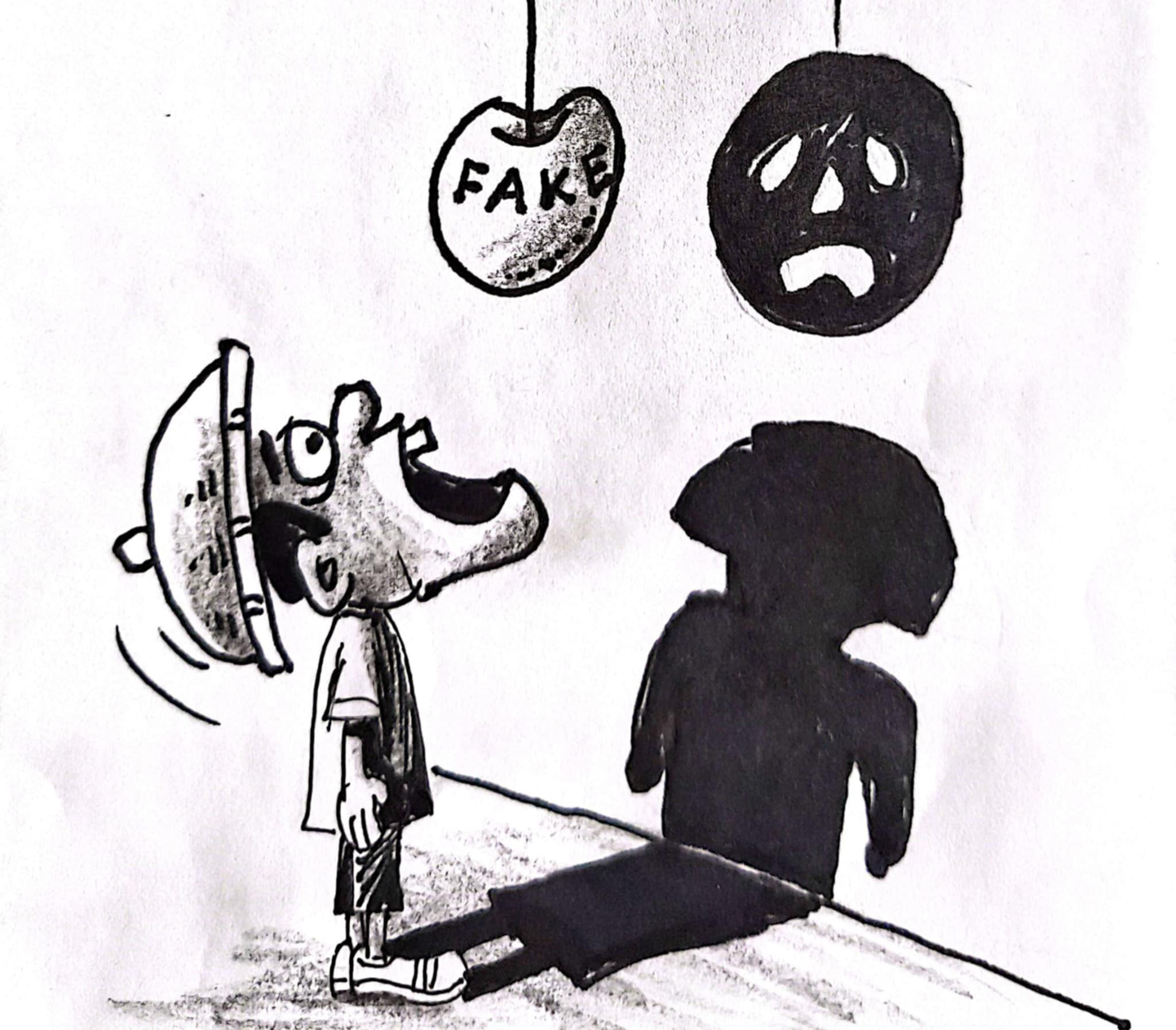
The alleged proliferation of counterfeit foods, beverages, and drugs has become common knowledge nowadays. Reports of fake rice, eggs, fruits, and even medications flooding markets worldwide, particularly in economically vulnerable countries like the Philippines, underscore the urgent need for stricter regulation. This is not merely an issue of economic fraud but a direct assault on human lives, one that demands immediate and decisive action.

Such emergence of counterfeit products, often originating from unscrupulous factories abroad, highlights glaring loopholes in international and local regulatory frameworks. These counterfeit items are not just cheap imitations; they are chemical concoctions engineered to mimic the real thing, often laden with toxic substances. Fake rice, made from plastic polymers, and synthetic eggs crafted from gelatinous chemicals, are just some examples that expose consumers to severe health risks. Such deceit exacerbates the vulnerability of impoverished communities who unknowingly purchase these dangerous goods.

The absence of rigorous oversight allows these counterfeit products to infiltrate the market, endangering countless lives. While countries like ours have agencies like the Food and Drug Administration, enforcement remains sporadic, and penalties for violators are insufficient to deter large-scale operations. Corruption, lack of resources, and fragmented inter-agency coordination further compound the problem. Without an active, transparent, and well-resourced FDA, the country’s defenses against these threats are woefully inadequate.

Fake medicines, which may contain incorrect dosages, toxic additives, or no active ingredients at all, have caused untold harm to patients. In a nation already struggling with affordable healthcare, the widespread availability of fake drugs adds another layer of crisis. People seeking relief from illnesses end up with complications—or worse, death—due to the ineffectiveness or toxicity of these counterfeits. The health system cannot afford such a deadly loophole.

Stricter import controls, regular inspections, and the establishment of traceable supply chains must be in place. Moreover, public awareness campaigns should educate consumers about the dangers of counterfeit goods and how to identify them. Collaboration with international regulatory bodies is also essential to dismantle the cross-border networks responsible for the manufacture and distribution of these hazardous products. Lives are at stake, and every effort must be made to ensure that counterfeit foods, beverages, and drugs have no place in our markets or homes.

A heavy expectation

0
DOMS PAGLIAWAN
DOMS PAGLIAWAN

It’s a unique and often heartbreaking paradox playing out within many families, particularly those originating from impoverished backgrounds. The narrative frequently unfolds this way: a clan member, through sheer grit and determination, manages to escape the clutches of poverty and achieve a degree of economic success. This success, however, doesn’t bring the expected liberation. Instead, it transforms the individual into an unwitting, and often overburdened, bank for their extended family.

Once financial stability is achieved, a relentless stream of requests for assistance begins. Relatives, burdened by their own financial struggles, turn to the successful family member, viewing them not as an individual who has worked hard to improve their circumstances, but as a readily available source of funds. This isn’t necessarily born out of malice, but rather a deeply ingrained cultural expectation of mutual support within the family unit. The successful individual becomes the anchor, the safety net for everyone else.

The pressure is immense. Refusal to help is often met with accusations of selfishness, a betrayal of family ties, and even blame when things worsen for those who sought assistance. The successful individual is trapped in a cycle of providing for others, their own hard-earned money slowly eroding away as they shoulder the financial burdens of numerous relatives. It’s a cruel irony; the very act of escaping poverty becomes a reason for further financial strain.

The strong sense of family and community, while admirable, can become a significant impediment to individual progress. The expectation of reciprocal support, while often genuine, can easily transform into an unsustainable burden for those who manage to achieve a higher socioeconomic status. The system, in essence, lacks a formal safety net, leaving the successful individual to fill that void.

While the successful individual struggles to meet the constant demands, his own financial security gradually diminishes. The relentless requests chip away at his resources, leaving him vulnerable to unexpected setbacks. The very act of helping others inadvertently sets the stage for his own potential downfall. The cycle of poverty, instead of being broken, is merely transferred.

When the previously successful individuals finally face their own financial crisis, they are frequently met with a stark lack of reciprocal support. Those who received assistance in the past are often unable or unwilling to return the favor, leaving the generous individuals to navigate their difficulties alone. The system, built on unspoken obligations and cultural expectations, ultimately fails those who were once its pillars.

From this scenario, we see the urgent need for a systemic change. The creation of robust social safety nets, access to affordable financial services, and education about responsible financial management are crucial steps towards breaking this cycle. Addressing the underlying economic inequalities that fuel this dynamic is paramount to ensuring that individual success isn’t synonymous with perpetual financial servitude.

The clan member who becomes a family bank is a poignant reminder of the complex interplay between culture, economics, and individual agency. It highlights the need for a more equitable and sustainable system, one that values individual achievement without sacrificing the vital bonds of family and community. A systemic change should break the reality of this paradox.

Recent Posts

DALMACIO C. GRAFIL
PUBLISHER

ALMA GRAFIL
EDITOR-IN-CHIEF

ROMEO CEBREROS
OFFICE IN-CHARGE

OFFICE
BRGY. SONGCO, BORONGAN CITY

CONTACT NUMBERS
(055) 261 – 3319 | 0955 251 1533 | 0917 771 0320 | 0915 897 7439 | 0921 511 0010

DALMACIO C. GRAFIL
PUBLISHER

RICKY J. BAUTISTA
EDITOR

ALMA GRAFIL
BUS. MANAGER

OFFICE
RIZAL AVENUE, CATBALOGAN
(INFRONT OF FIRE DEPARTMENT, NEAR CITY HALL)

CONTACT NUMBERS
0917 771 0320 | 0915 897 7439 | 0921 511 0010

EMAIL
lsdaily2@yahoo.com

WEBSITE
www.issuu.com/samarweeklyexpress