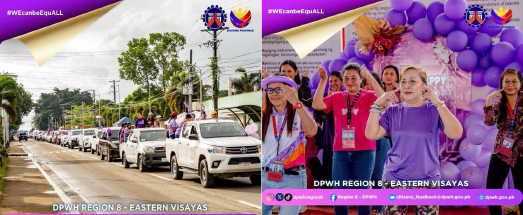
TACLOBAN CITY – The Department of Public Works and Highways (DPWH) regional office kicked off its 2025 National Women’s Month celebration, honoring women’s contributions to infrastructure and nation-building.
With the theme “Babae sa Lahat ng Sektor, Aangat ang Bukas sa Bagong Pilipinas”, the event emphasized gender equality and inclusivity within DPWH. The celebration began with a motorcade, followed by a program and mob dance.
DPWH Assistant Regional Director Margarita Junia highlighted women’s vital role in shaping infrastructure, stating, “DPWH provides an equitable environment that enables women to reach their full potential. This celebration reaffirms our commitment to recognizing and empowering women.”
The event gathered DPWH employees and Gender and Development (GAD) focal representatives from 14 District Engineering Offices. Other activities included a thanksgiving mass, bazaar, and Zumba session.
DPWH Region VIII joins the nation in celebrating the strength, resilience, and contributions of women, reaffirming its commitment to their empowerment.
TACLOBAN CITY – Fisherfolk associations and cooperatives in Southern Leyte have been urged by representatives from the World Bank and the Bureau of Fisheries and Aquatic Resources (BFAR) to submit livelihood proposals aligned with the Fisheries Management Area (FMA) 9 Plan under the Philippine Fisheries and Coastal Resiliency (FishCoRe) Project.
The call was made during the 4th Implementation Support Mission, held from February 25 to 27, 2025, where officials from the World Bank and BFAR visited Maasin City, Macrohon, Padre Burgos, and Tomas Oppus.
These local government units (LGUs) had previously expressed interest in post-harvest facilities, ice plants, cold storage, laboratory facilities, and bangus fish cage farming under the project.
Among the fisherfolk groups that participated in focus group discussions (FGDs) were the Women Fish Processors Association, Lib-og Farmers and Fisherfolk Association, and Fish Vendors Association of Maasin City; Kapunungang Mananagat sa Dinahugan of Padre Burgos; Tinago United Fisherfolk Association and Nagkahiusang Mangingisda sa Barangay Looc of Tomas Oppus; and LGU and sectoral representatives from Macrohon.
To qualify, fisherfolk associations must be endorsed by their LGUs, registered with BFAR FishR, and accredited by the Department of Labor and Employment (DOLE). They must have at least 15 members, commit to training under the FishCoRe Project, and provide an in-kind counterpart.
Livelihood proposals must align with the FMA Plan, use the FishCoRe standard template, and include an Expression of Interest (EOI) for projects below P5 million. Groups must also liquidate past government loans and promote sustainable fisheries and aquaculture while ensuring compliance with fisheries laws.
Over 300 women from all walks of life—including seniors, community leaders, and expectant mothers—gather at RTR Plaza in Tacloban City for #YEDDANCE Zumba, a Tingog partylist-led event celebrating International Women’s Day through movement, wellness, and empowerment.
Over 300 women from all walks of life—including seniors, community leaders, and expectant mothers—gather at RTR Plaza in Tacloban City for #YEDDANCE Zumba, a Tingog partylist-led event celebrating International Women’s Day through movement, wellness, and empowerment.
TACLOBAN CITY – Over 300 women from across this city gathered at RTR Plaza for #YEDDANCE Zumba, an International Women’s Day event organized by Tingog party-list to promote health, empowerment, and gender equality.
The event united women of all ages, from senior citizens to community leaders and expectant mothers, underscoring the need for inclusive advocacy. Alongside the Zumba session, the celebration featured health talks and discussions on women’s challenges, highlighting the role of grassroots efforts in complementing policies to uplift and protect women.
Despite progress, Filipino women still face barriers to economic security, workplace protections, and safety from violence. In response, Tingog party-list has championed key legislative measures, including 105-Day Expanded Maternity Leave Law (RA 11210) – Extends paid leave for working mothers; Safe Spaces Act (RA 11313) – Strengthens protections against harassment; and Expanded Solo Parents’ Welfare Act (RA 11861) – Provides additional support for solo mothers.
Beyond these laws, Tingog is pushing for further reforms, namely, on House Bill No. 5740 – Increasing women’s recruitment quota in law enforcement; House Bill No. 2714 – Establishing a National Sex Offender Registry; and House Bill No. 1950 – Mandating infant-friendly spaces in public facilities.
Tingog Rep. Jude Acidre stressed the need for continuous advocacy, saying, “Women’s strength drives progress, but challenges persist. Through legislation and community action, we must protect and uplift women.”
Rep. Yedda Romualdez echoed this, stating, “The fight for gender equality goes beyond policies—it’s about ensuring every woman is seen, heard, and empowered.”
TACLOBAN CITY – The Association Government Information Officers in Region 8 (AGIO8) is taking up its own cudgels in the fight against the rising number of teenage pregnancy in the region through a series of advocacy campaigns aimed at educating young people in the communities on responsible reproductive health, life skills and mental well-being.
With teenage pregnancy rates remaining a concern in many areas in Eastern Visayas, lawyer Jonalyndie Chua of the Department of Social Welfare and Development and AGIO-8 president, the association will provide its part in strengthening information drives by utilizing various mass media and social media platforms and community-driven information dissemination to spread awareness on the risks of early pregnancy and the importance of education and responsible decision-making among adolescents.
“Education is key to prevention. As information officers, we will be engaging not just the youth, but also parents, teachers, and community leaders to create a support system that empowers young people to make informed choices,” Atty. Chua said.
In Tacloban City, there were 379 cases of teenage pregnancy recorded by the City Population Office in 2024.
Aside from teenage pregnancy, rising number of cases of human immunodeficiency virus (HIV), will also form part of the AGIO 8’s advocacy. Concerns have been raised over rising cases of HIV and AIDS (Acquired Immunodeficiency Syndrome) with infected persons getting younger.
In Tacloban City data from 1984 until September 2023, 277 individuals were diagnosed with HIV, 167 of them, or 58 percent of the cases, are within the 25–34 age bracket.
As part of the campaign, information officers will be incorporating their campaigns with their programs as well as, working closely with schools to bring information on responsible adolescent sexuality and reproductive health.
In addition to media campaigns, the initiative includes outreach programs in rural and underserved areas, where teenage pregnancy rates are often higher due to limited access to information and health services.
The regional government agency membership of the AGIO 8 have expressed their support for the advocacy, recognizing the role of information officers in shaping public awareness and influencing policy.
“Teenage pregnancy is not just a personal issue—it affects families, communities, and the nation’s future. Through information and education, we can break the cycle and give our youth better opportunities,” Chua added.
AGIO 8 committed to strengthening their initiatives and ensuring that young people receive the knowledge and resources they need to make responsible life choices.
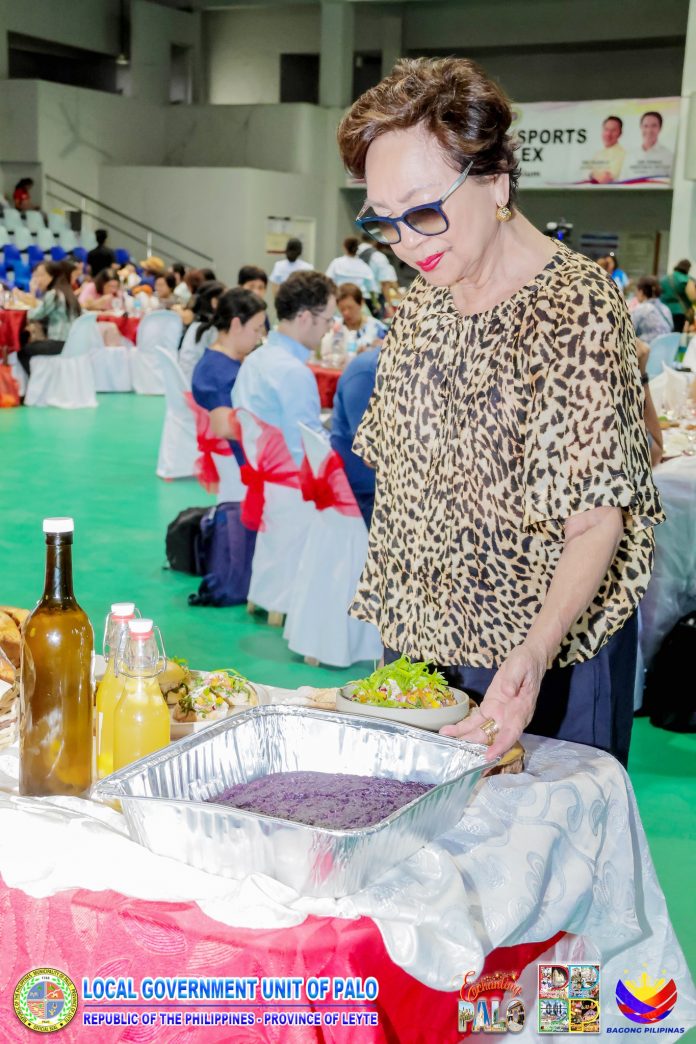
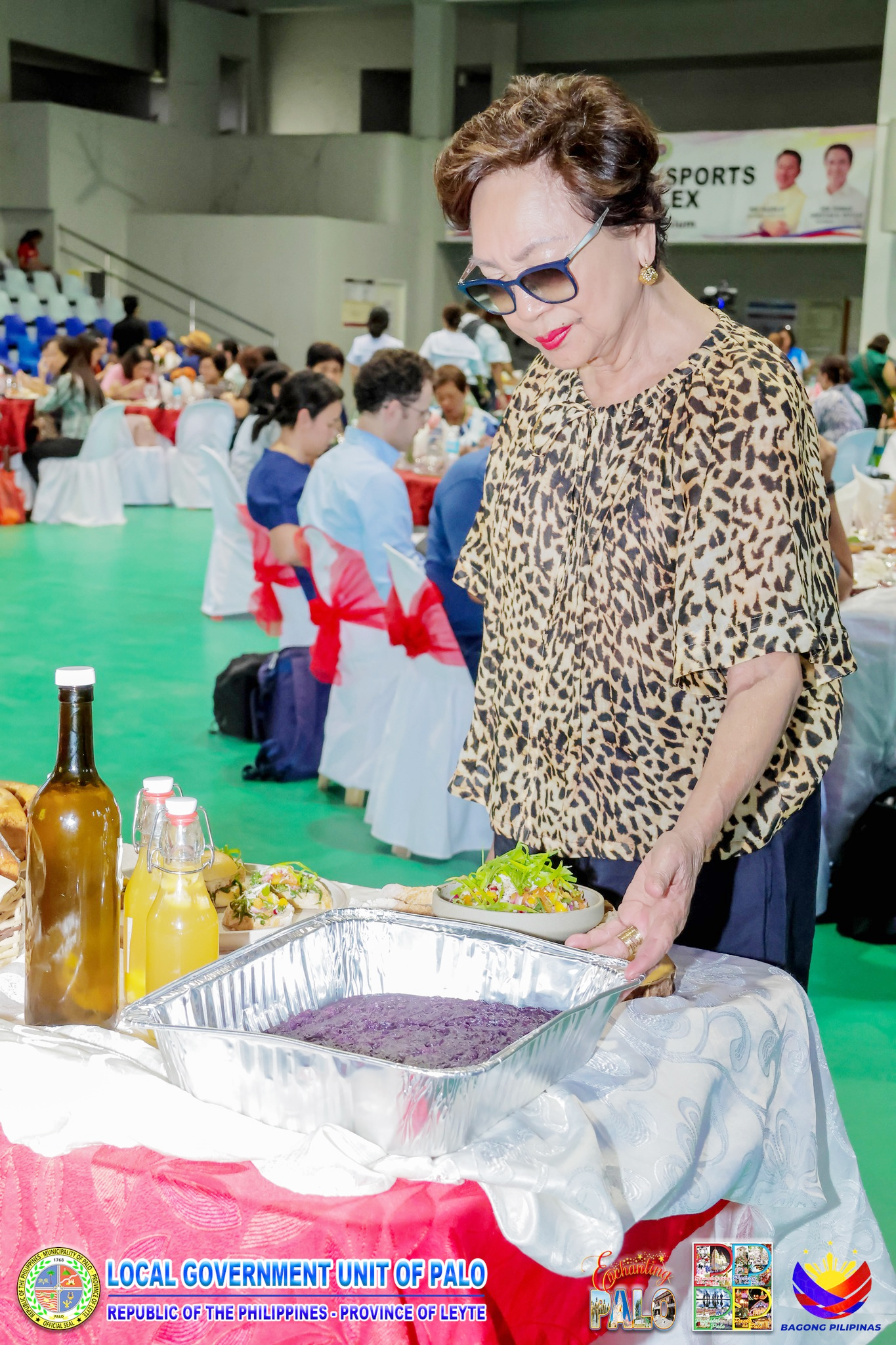
PALO DISHES. Mayor Remedios ‘Matin’ Petilla is pushing for the local dishes and delicacies of the historic town of Palo through her “An Kultura han Pagkaon ha Palo” (The Culinary Heritage of Palo) program.(PALO LGU)
TACLOBAN CITY – The local government of Palo, Leyte has launched an initiative to champion the ‘slow food’ movement, aiming to preserve the town’s rich culinary heritage while countering the growing influence of fast food culture.
PALO DISHES. Mayor Remedios ‘Matin’ Petilla is pushing for the local dishes and delicacies of the historic town of Palo through her “An Kultura han Pagkaon ha Palo” (The Culinary Heritage of Palo) program.(PALO LGU)
Dubbed “An Kultura han Pagkaon ha Palo” (The Culinary Heritage of Palo), the project seeks to highlight traditional gastronomy while promoting the principles of good, clean, and nutritious food—the essence of slow food.
Palo Mayor Remedios “Matin” Petilla emphasized the uniqueness of the town’s dishes, saying they carry distinct flavors that make them instantly recognizable as Palo’s own.
“While some of our dishes, which are all healthy, are also served in other localities, the distinct flavors set them apart, making it easy to identify that they are from Palo,” Petilla said during a recent media conference.
She also noted that each dish tells a story, reflecting the town’s history, traditions, and deep cultural roots. She expressed delight that local restaurants and hotels are embracing Palo’s heritage by offering traditional dishes, further popularizing them.
According to independent food scholar Ige Ramos, who is featured in the project, slow food is the direct opposite of fast food, which dominates today’s fast-paced lifestyle.
“Slow food is prepared using traditional methods and high-quality local ingredients, preserving authentic flavors while promoting healthy eating,” Ramos explained.
Beyond food advocacy, the project aims to preserve culinary traditions, sustain local cooking practices, and revitalize authentic flavors unique to Palo. It also promotes organic farming, food biodiversity, fair trade, and ethical, sustainable food production and consumption.
To further its mission, the local government has established the Palo Gastronomy Society, a group dedicated to preserving and promoting the town’s rich gastronomic legacy.
Society members are committed to safeguarding traditional dishes such as ‘suman’’, arasip’, ‘mola-bola’, ‘lechon’’, kinilaw’, and vegetable-based dishes like ‘lawot-lawot’’ and dagmay’, all made from locally sourced ingredients.
By embracing the slow food movement, Palo is not only fostering a more sustainable and equitable food system but also ensuring that its unique culinary heritage is preserved for future generations.
The upcoming election is not only a political battle but also a test on the intelligence of the country’s electorate. Most of the candidates running for top seats have dubious reputations, a sullied past, and links with forces who openly ignore democratic values. If the populace does not judge their selection judiciously, the nation may end up in the hands of individuals who will annihilate democracy for dubious reasons.
History has consistently demonstrated the consequences of such bad leaders. Corrupt government officials, once they gain power, employ their power to accumulate money, suppress their critics, and twist laws for their self-preservation. Their administration is characterized by loot, corruption, and violation of public trust. And still, they come back with each election cycle, relying on the short memory of the people, lying, and using ignorance to seize power. Without watchfulness, the country will again be governed by people who do not wish to serve anyone but themselves.
The threat does not end with corruption. Some political dynasty-supported candidates have long regarded public office as a family business, transferring power from generation to generation as if holding power was a birthright. Others are political puppets of domineering foreign and domestic players with a secret agenda contrary to the interests of the nation. Any government that falls into their hands will not be laboring for the people but the devious hands that placed them there. Voters lose freedom and rights if they do not recognize these dangers, but end up losing rights and freedom without knowing.
An accountable electorate does not vote for popularity, scripted melodrama, or momentary passion. It needs to look beyond catchy tunes and examine the records of those contesting public office. Those who have a record of corruption, human rights violations, and self-interest leadership should never be accepted into leadership. All citizens need to study, question, and avoid those who erode democracy. To be indifferent is to invite annihilation.
The country is at the crossroads, and its future hangs in the balance depending on what its citizens choose. Elections are not political ceremonies; they are a battle for the future of the country. The voter has the responsibility to make the correct choice; otherwise, the future will be everlasting. Complacency is gone. Now it is the moral responsibility to stand watch, fight fraud, and see that no one who plots against democracy makes it to office.