
Tacloban starts disinfection campaign

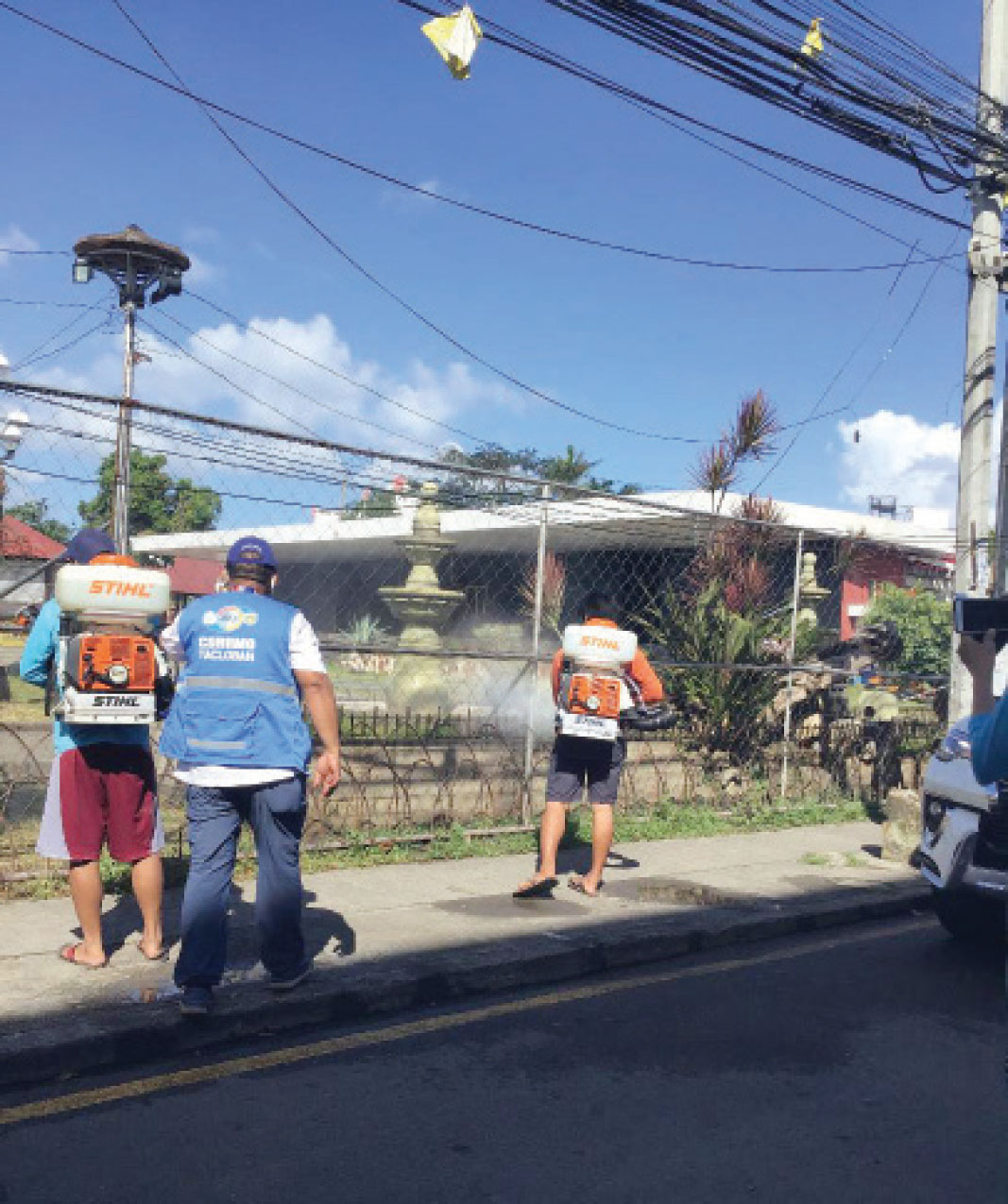
TACLOBAN CITY-Personnel of the Tacloban City Fire Office started the disinfection drive across the city on Saturday(March 21) to ensure the area would remain free from virus that causes the coronavirus disease 2019(COVID-19).
The fire office, assisted by Filipino-Chinese fire volunteer brigades, started the disinfection at the city’s downtown area which will cover the entire 138 barangays of Tacloban, said city fire marshal officer Senior Inspector Vic Leonard Macasil.
According to him, the disinfection will be done daily from every 3 pm to 6 pm for the next three weeks, coinciding with the period of the intensified restriction imposed by the city government.
“This is our way of making sure that Tacloban City would be free from possible spread of the COVID-19.We will disinfect all the villages of the city,” he said.
Aside from the fire trucks where fire personnel and the volunteers would disinfect the main streets of the city, there are also men on foot who will be in charge in disinfecting the alleys of the barangays.
The disinfectant is made of chlorine mixed with water.
The Philippine Chamber of Commerce and Industry-Tacloban, Leyte chapter, headed by Eugene Tan, donated the several gallons of chlorine being used as disinfectants.
Tacloban has no COVID-19 cases though it has 21 persons under investigation and over 1,804 persons under monitoring as of March 21.
City Mayor Alfred Romualdez has virtually placed Tacloban on a lockdown with the people coming from outside the city prohibited to enter unless for emergency purposes, working in the city and those carrying foods and essential products, among others.
Residents of the city who venture out on the streets are required to use face masks and have a quarantine pass issued by their respective barangays.
Children and old people, especially those who have existing medical conditions, are strictly prohibited to go out of their homes.
City hall personnel and police men roams around the city to ensure that the home stay policy is followed strictly as a citywide curfew which starts at 8 pm to 5 am was imposed.
(ROEL T. AMAZONA/JOEY A. GABIETA)
Archbishop Du to faithful: Church will not abandon you

BY: JOEY A. GABIETA
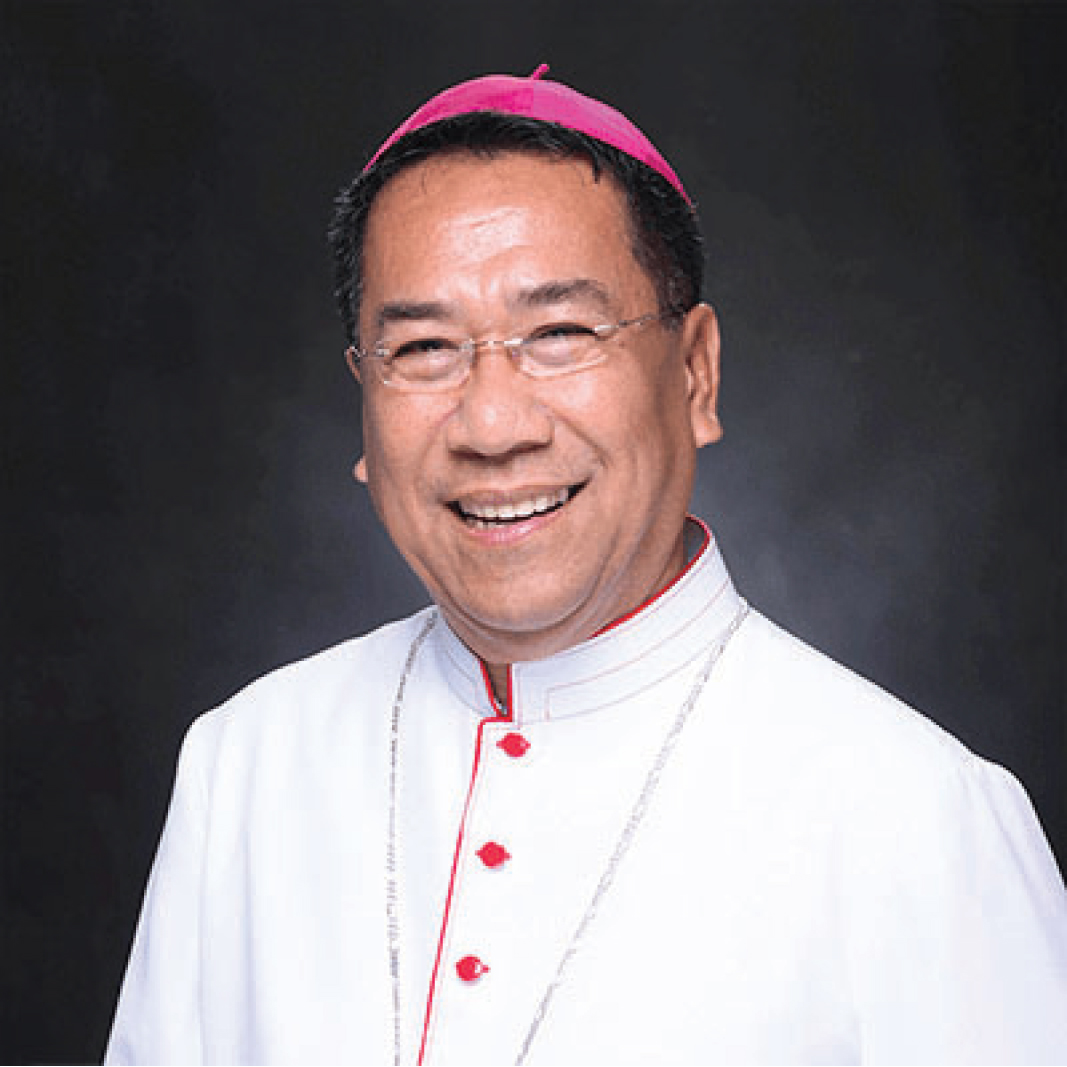
TACLOBAN CITY- The archbishop of Palo in Leyte assured the faithful that the Church would not abandon them during this time of pandemic caused by the coronavirus disease 2019(COVID-19).
Archbishop John Du made his assurance as he earlier directed on the suspension of all public Masses in the archdiocese effective March 20 until he ‘revokes’ it.
“My dear people of God, the Church is not abandoning her children on these trying moments. We are availing the best means to reach out to you. We continuously seek the mercy and compassion of God and the maternal protection of our Lady. Let these words of the Lord be our source of strength and courage…’I do will it, Be Cured ‘I(Lk/V:13),” he said on his pastoral letter he issued on March 18.
“This is a very difficult decision on our part. However, as pastors it is also our solemn moral obligation to abide the advisories of competent authorities in the name of common good and public safety,’ the prelate added.
The government, as part of its measure to prevent further spread of COVID-19 in the country, has imposed prohibition on mass gathering and when involved more people, social distance policy.
The prelate reminded the faithful that while there are no public Masses, he has directed all the priests in the archdiocese to say Masses ‘without congregation’ every day and even ‘virtual’ Masses through live streaming.
“In times of crisis and calamities leading to physical impossibility we can resort to some other prudent means,” Du said.
He also said that baptisms and funerals Masses will not be stopped but those who will attend must be limited to the immediate family members and should at all times, observe the required distance during the entire celebration.
Archbishop Du also asked all the priests to regularly sanitize churches and chapels as another means to stop possible spread of the virus.