GOVERNMENT CENTER, PALO, Leyte– Eastern Visayas is ramping up efforts to bring Indigenous Peoples (IP), learners with special needs, Alternative Learning System (ALS) learners, and disadvantaged children into the classroom as classes open for School Year 2026-2027.
The initiative reflects President Ferdinand R. Marcos Jr.’s commitment to inclusive education, ensuring that every Filipino learner—regardless of background or circumstance—has access to quality education and the opportunity to succeed.
For many children in Eastern Visayas, going to school is not simply a matter of showing up in class.
For IPs living in geographically isolated communities, learners with disabilities who require specialized support, and out-of-school youth seeking a second chance through alternative education, access to learning often comes with unique challenges.
This school year, however, the Department of Education (DepEd) in Eastern Visayas is strengthening its campaign to ensure that education remains accessible to all sectors, particularly those who are most vulnerable.
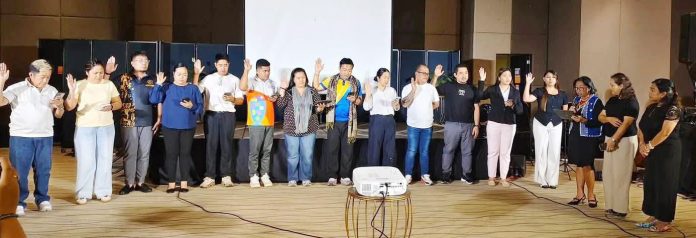
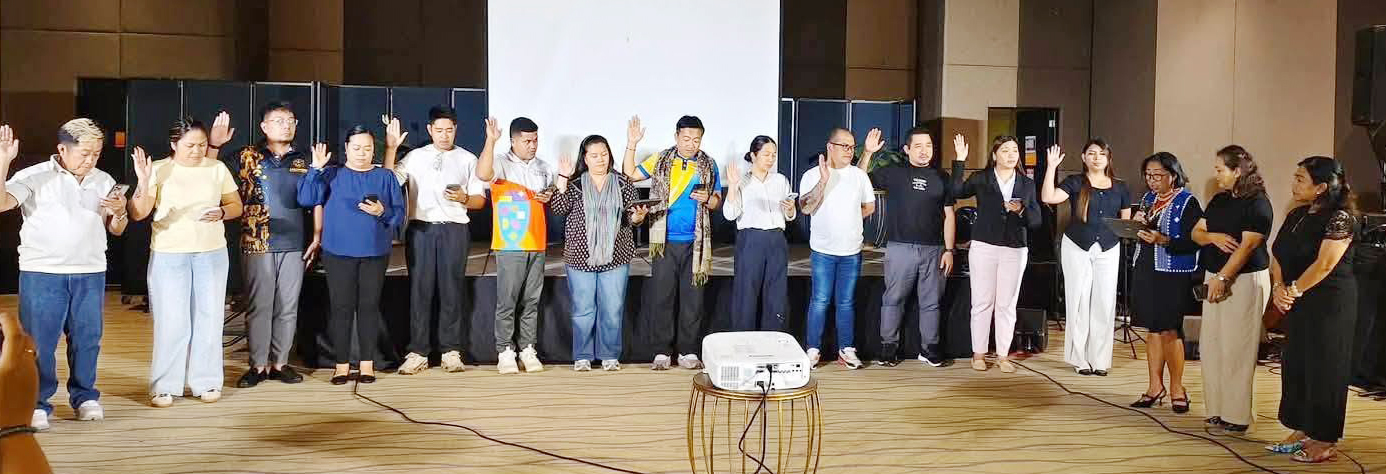
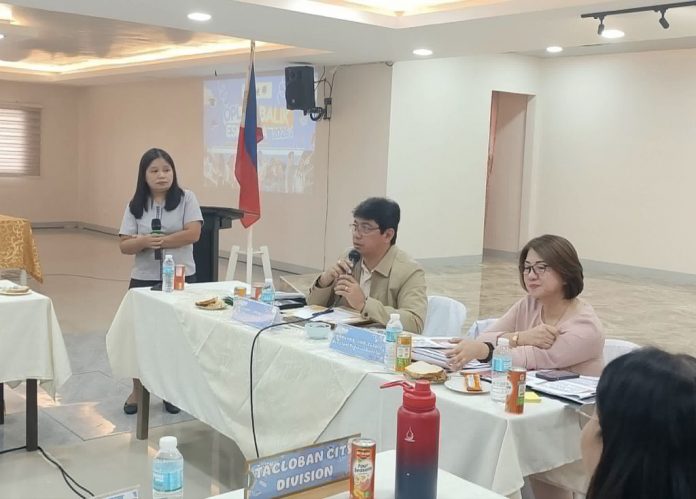
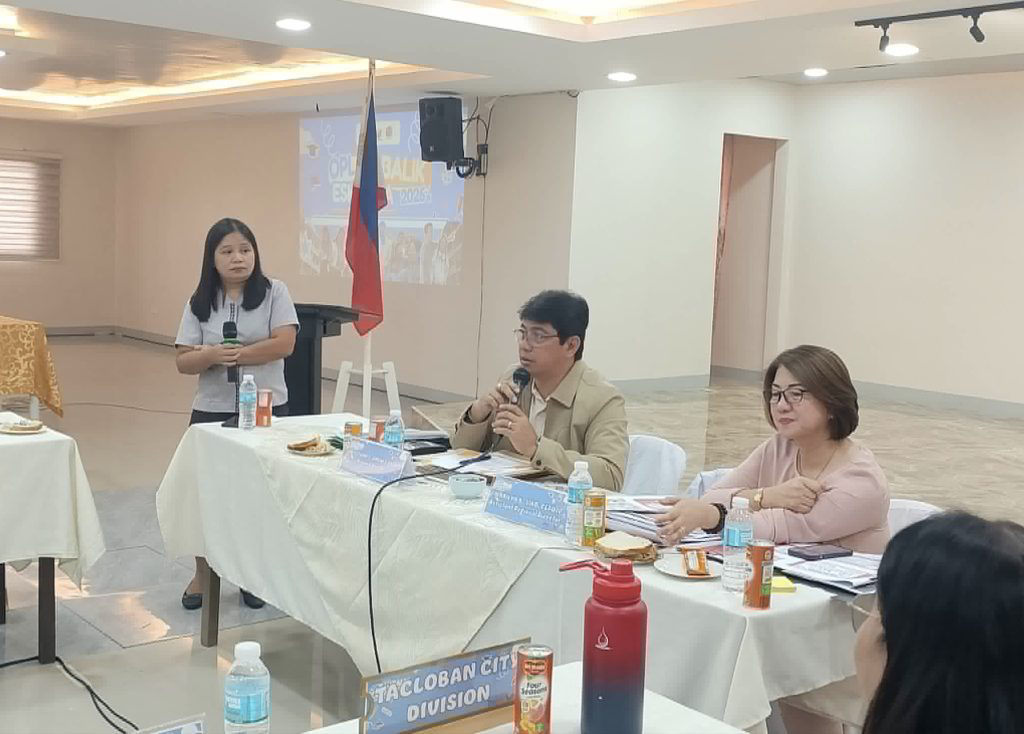
During the Oplan Balik Eskwela 2026 Interagency Meeting, DepEd Regional Planning Officer Hydelyn Cinco said all 13 Schools Division Offices in the region have been directed to encourage enrollment among IP learners, Special Needs Education (SNED) learners, and ALS learners.
The initiative aligns with President Ferdinand R. Marcos Jr.’s push for inclusive education, anchored on the principle that every Filipino child deserves the opportunity to learn and succeed regardless of background, location, or circumstance.
In Eastern Visayas, DepEd expects about 647 IP learners to enroll for School Year 2026-2027.
DepEd Regional Director Salustiano Jimenez emphasized that education plays a vital role in empowering Indigenous communities while preserving cultural identity.
He said ensuring IP learners remain in school equips them with knowledge and skills, allowing them to participate more actively in nation-building while safeguarding their traditions for future generations.
“Education opens opportunities while strengthening cultural awareness and identity among Indigenous Peoples,” Jimenez said, noting that schools continue to work closely with communities to make learning more accessible and culturally responsive.
The region is also preparing to serve 14,074 learners under the SNED program.
For these learners, access to education goes beyond classrooms and textbooks. It requires specialized instruction, adaptive learning materials, trained teachers, and supportive learning environments that recognize diverse needs and abilities.
DepEd officials said inclusive education ensures that children with disabilities and other special educational needs are given equal opportunities to develop their potential and become productive members of society.
Meanwhile, the ALS is expected to accommodate 33,188 learners across the region.
The program provides flexible learning opportunities for out-of-school youth, adults, workers, and other individuals who were unable to complete basic education through the formal school system.
Education officials described ALS as a crucial pathway toward lifelong learning, employment opportunities, and social inclusion, particularly for learners seeking a second chance at education.
Complementing DepEd’s efforts are interventions from the Department of Social Welfare and Development (DSWD), which continues to support school participation among beneficiaries of the Pantawid Pamilyang Pilipino Program (4Ps).
Eastern Visayas has 106,688 learners under the 4Ps program.
DSWD Regional Director Grace Subong said the conditional cash transfer program remains one of the government’s most effective tools in helping poor families keep their children in school.
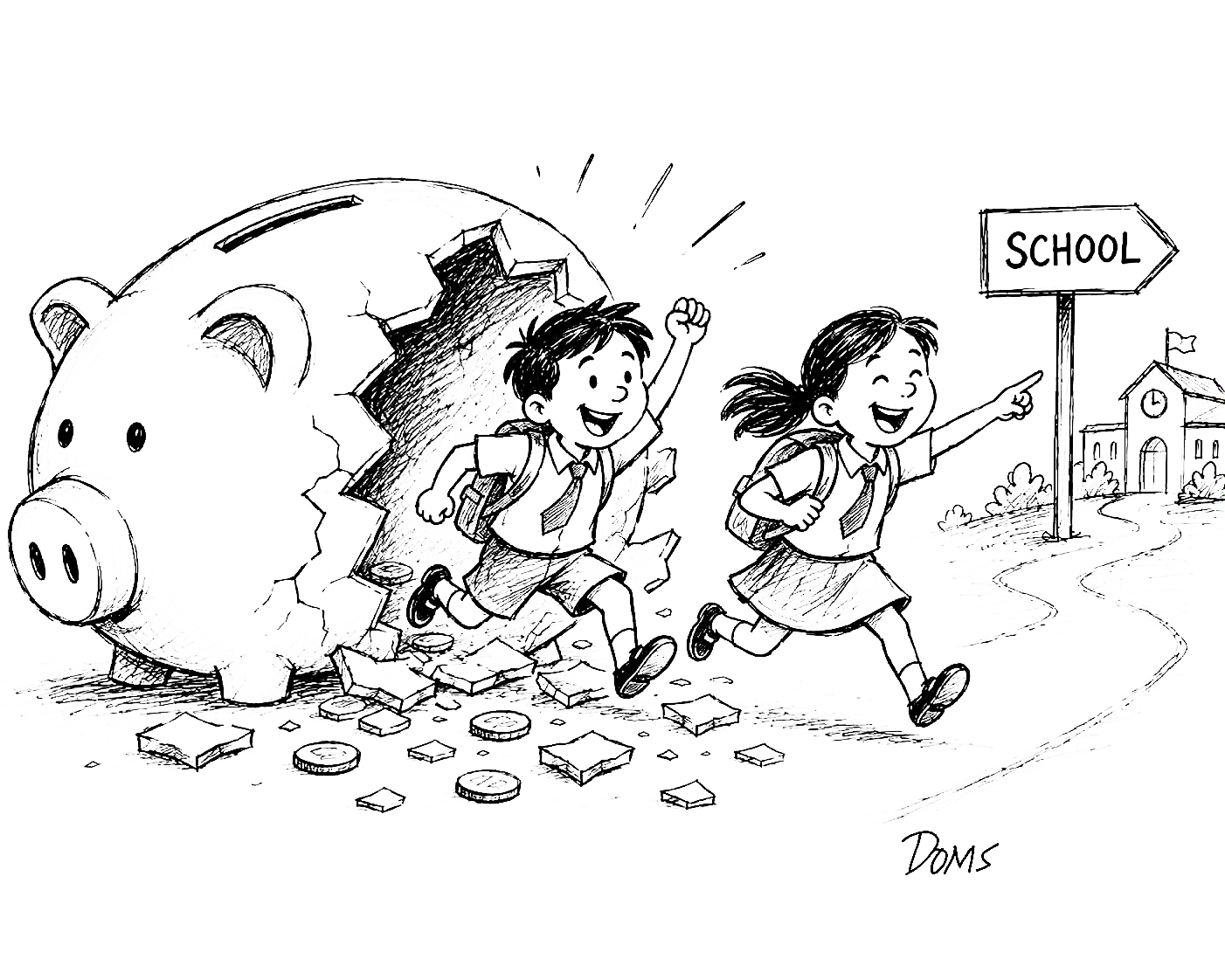
Through education grants and regular monitoring of school attendance compliance, the program helps reduce financial barriers that often prevent children from completing their studies.
Subong said the assistance enables families to allocate resources for school-related expenses, including transportation, supplies, and other educational needs, ultimately encouraging learners to stay in school and finish their education.
As government agencies prepare for the opening of classes, DepEd officials emphasized that inclusive education is not merely about increasing enrollment figures but ensuring that every learner receives the support needed to thrive.
From indigenous communities and children with special needs to out-of-school youth and learners from low-income households, the message remains clear: education is a right that must be accessible to all.
In Eastern Visayas, that commitment is reflected in a shared goal among government agencies, educators, and communities—to ensure that no learner is left behind.
(RLA/PIA Eastern Visayas)